Learn the differences between polyurethane foam concrete leveling and traditional mudjacking. Compare how each method works, common applications, and factors homeowners should consider before choosing a repair option.
If you've started researching concrete leveling, you've probably come across two common repair methods:
- Polyurethane Foam Injection
- Mudjacking
Both methods are designed to lift settled concrete, but they work differently and each has situations where it may be appropriate.
Understanding the differences can help homeowners make a more informed decision.
If you're still learning about concrete settlement, you may also want to read Why Concrete Sinks in Colorado Springs, Concrete Leveling vs Concrete Replacement, and Concrete Leveling Cost Colorado Springs.
What Is Mudjacking?
Mudjacking has been used for decades.
The process involves pumping a cement-based slurry beneath a concrete slab through drilled holes.
As the material fills empty spaces beneath the slab, it raises the concrete toward its original position.
Mudjacking remains a repair option for certain projects.
What Is Polyurethane Foam Injection?
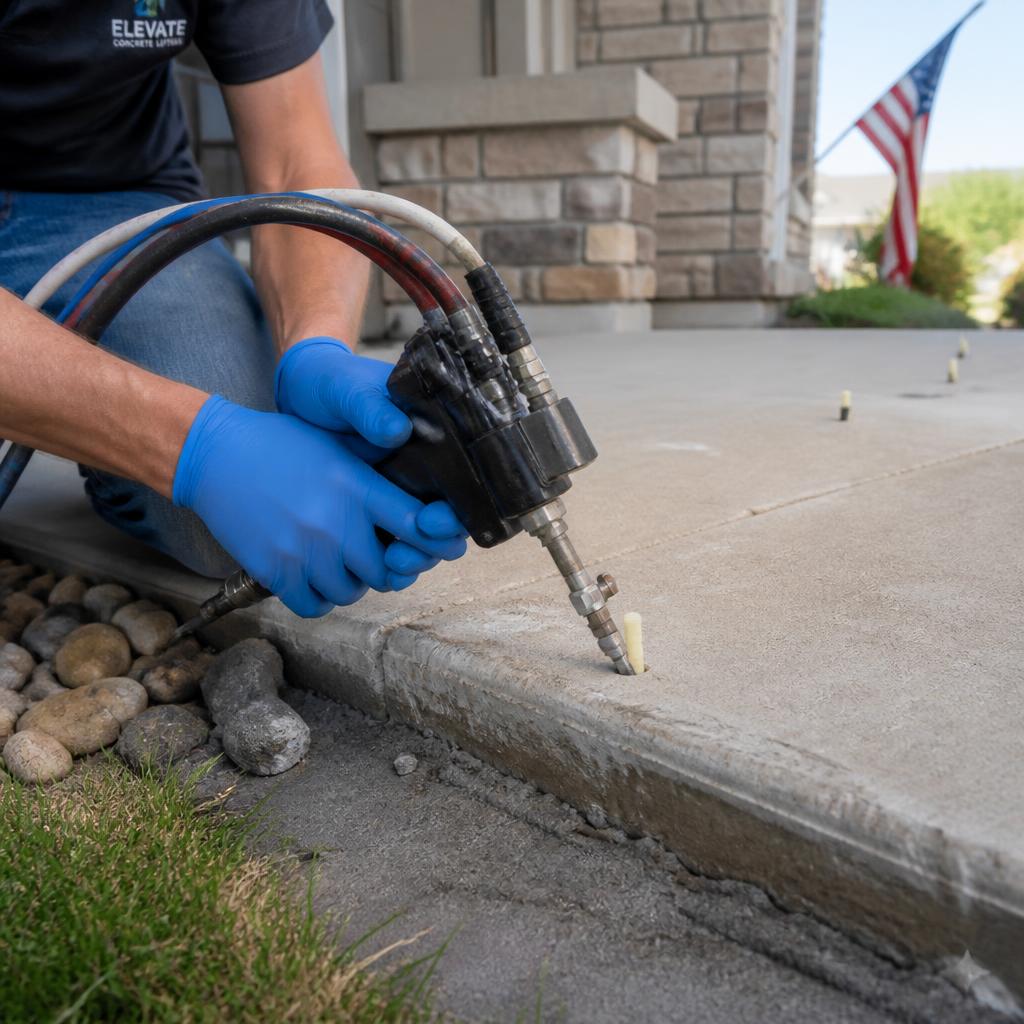
Polyurethane concrete leveling uses an expanding structural foam injected beneath the concrete.
The foam fills voids below the slab while gently raising the concrete.
Many contractors use polyurethane because it requires relatively small injection holes and can often return many surfaces to service quickly.
Comparing the Two Methods
Weight
Mudjacking uses a heavier cement-based material.
Polyurethane foam is significantly lighter, which may reduce additional stress on weak soils.
Injection Holes
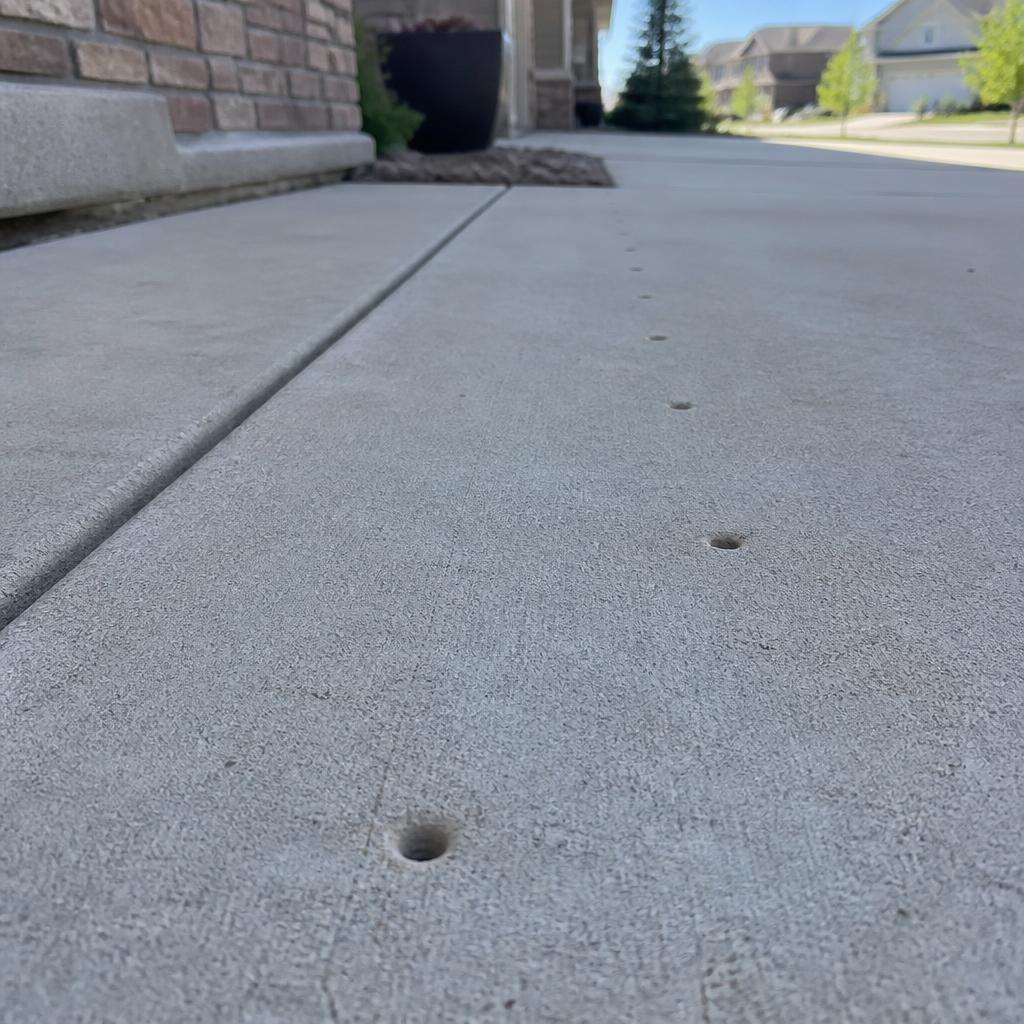
Mudjacking generally requires larger drill holes.
Polyurethane typically uses smaller injection holes.
Cure Time
Many polyurethane projects can return to service relatively quickly.
Mudjacking cure times vary depending on materials and conditions.
Moisture Resistance
Polyurethane foam is moisture-resistant.
Long-term performance depends on many factors, including drainage, soil conditions, and proper installation.
Project Suitability
Neither method is automatically better for every project.
The best repair depends on:
- Concrete condition
- Soil conditions
- Drainage
- Amount of settlement
- Project goals
A professional evaluation helps determine which method is most appropriate.
Is Polyurethane Always Better?
Not necessarily.
Both methods have advantages.
Many modern contractors prefer polyurethane for residential lifting projects because of its lighter weight and smaller injection holes.
However, every repair should be evaluated individually.
When Replacement May Still Be Needed
If concrete is severely damaged, replacement may still be the most appropriate solution.
Examples include:
- Major structural cracking
- Extensive deterioration
- Broken slabs
- Significant structural movement
Questions to Ask Before Hiring a Contractor
When discussing your project, consider asking:
- Which repair method do you recommend and why?
- What caused the settlement?
- Is the slab structurally sound?
- Will drainage improvements help prevent future settlement?
- What results should I reasonably expect?
A knowledgeable contractor should be able to explain the reasoning behind the recommended repair.
Schedule a Free Estimate
If your driveway, sidewalk, patio, garage floor, or other concrete surface has settled, a professional evaluation can help determine the most appropriate repair option.
Commercial concrete leveling is also available for businesses, property managers, and industrial facilities throughout the Colorado Springs area.
Colorado Springs Concrete Leveling provides free estimates throughout Colorado Springs and surrounding communities.
Call 719-521-2291 or request your free estimate online to discuss your project.