Sidewalk Trip Hazards: What Every Property Owner Should Know

A ½-inch vertical difference is enough to be a legal trip hazard in most Colorado Springs-area jurisdictions. Here's how to identify, prioritize and fix them.

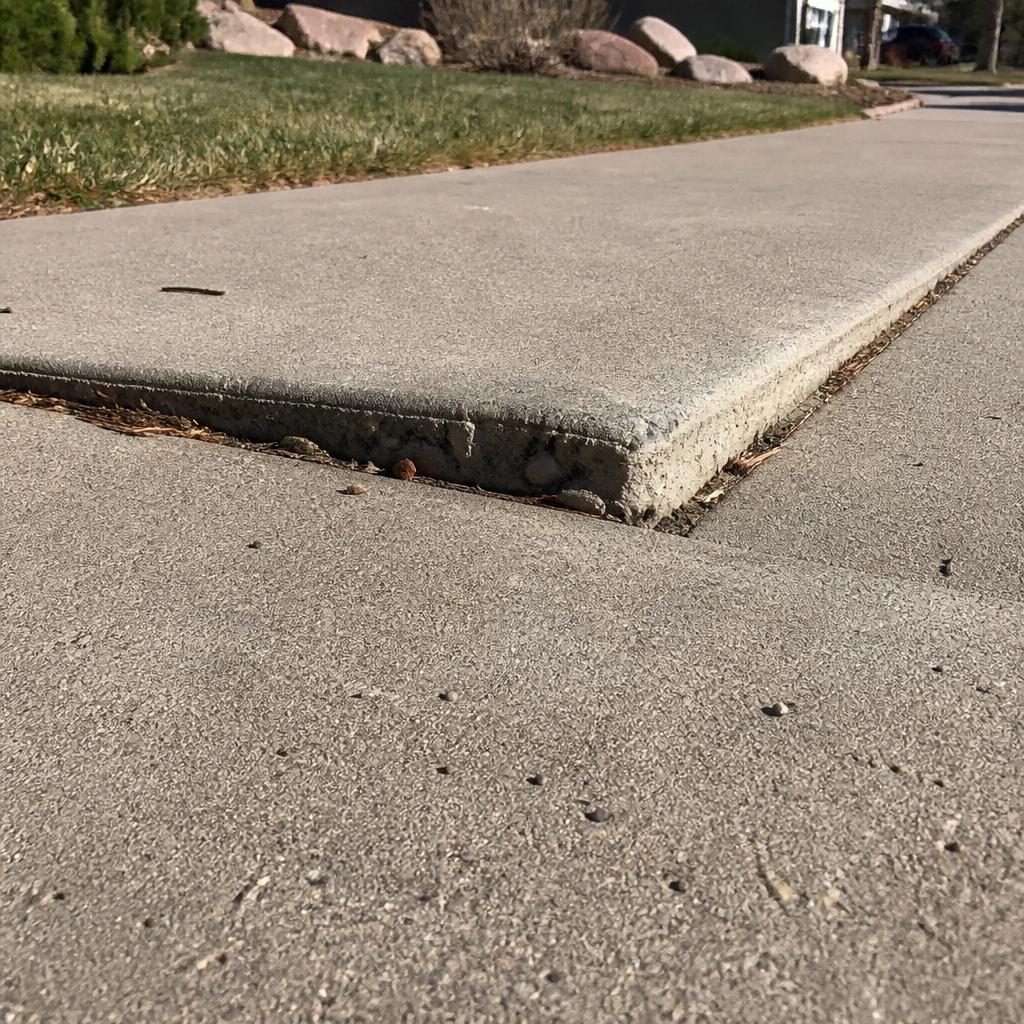
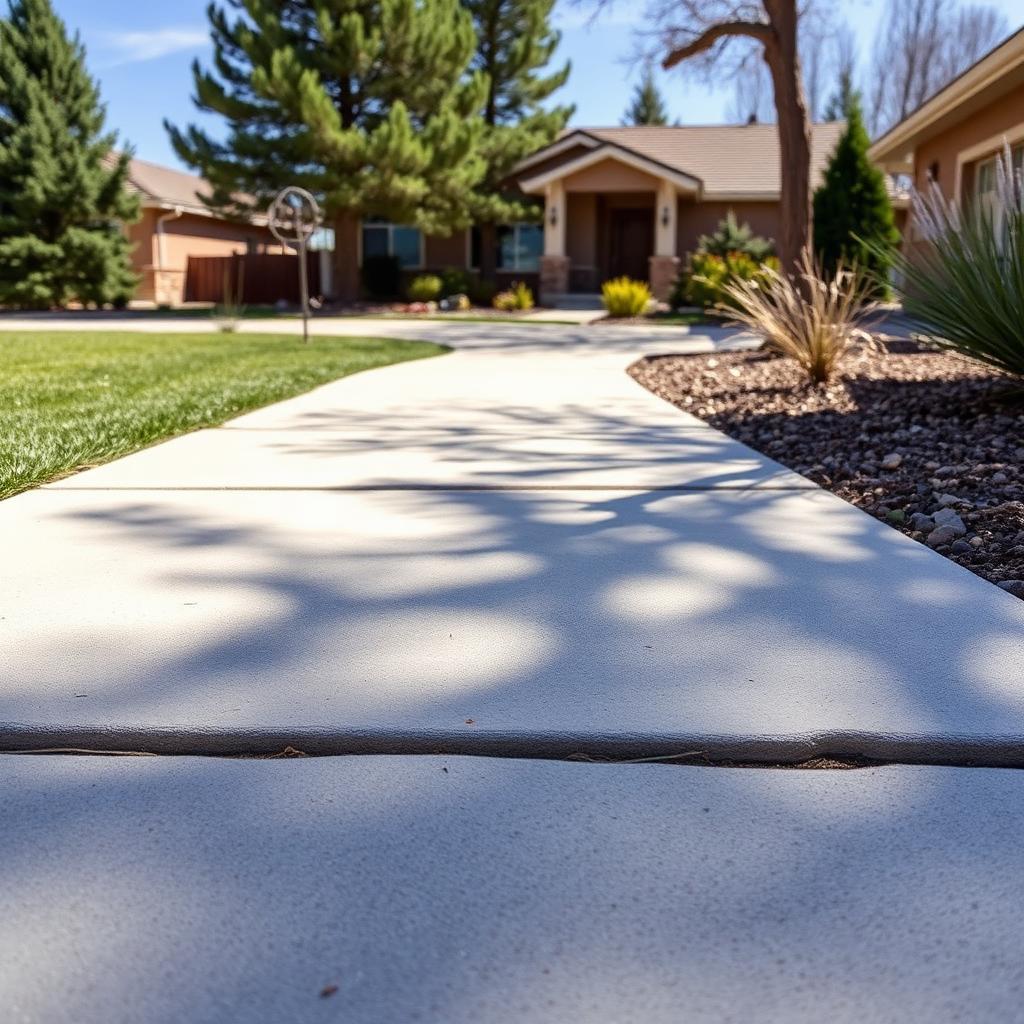
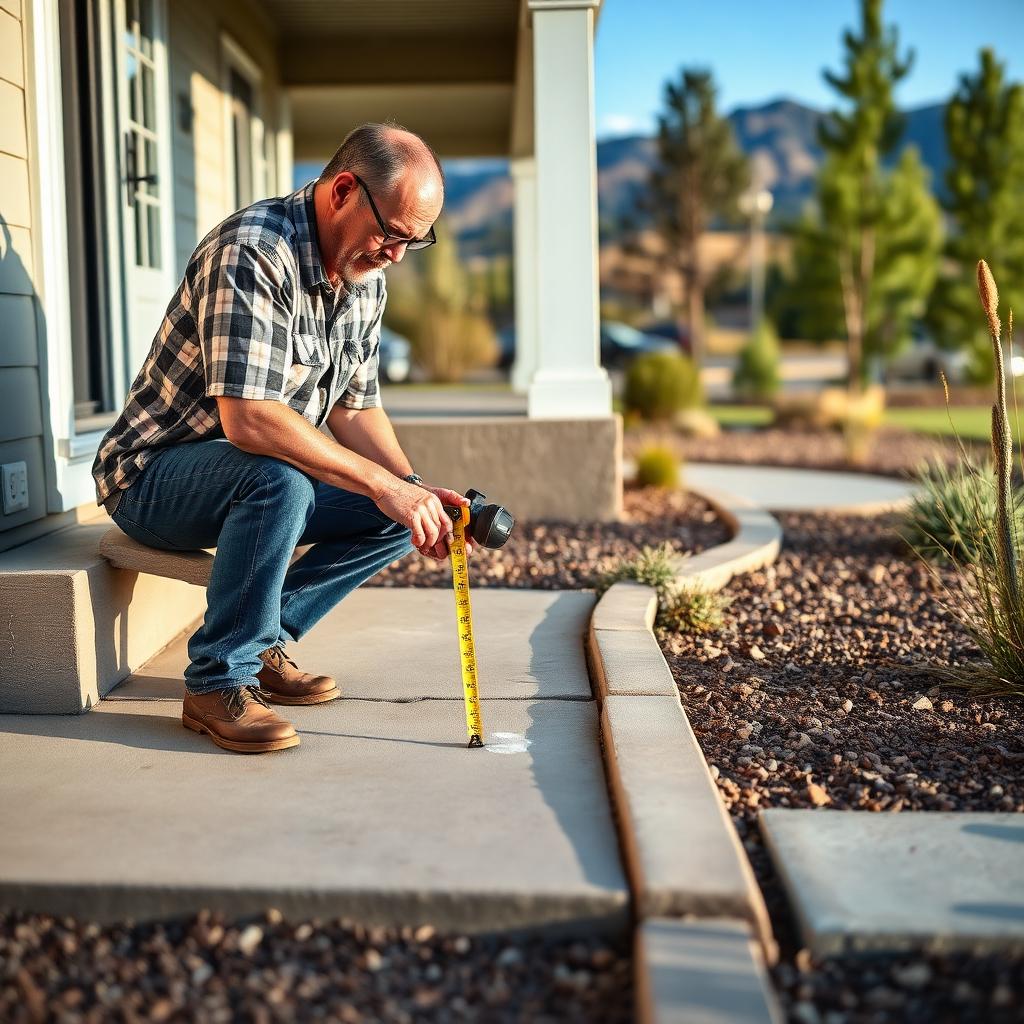
ADA and most municipal codes consider any vertical difference greater than ¼ to ½ inch on a pedestrian walkway a trip hazard. For commercial property owners and landlords, that becomes a liability question — especially in Colorado Springs's wet season when even minor differences become slippery.
The two fast fixes are grinding (removing the raised edge) and lifting (raising the low side back to match). Grinding is quick and cheap but leaves a rough, faded surface. Lifting restores the original grade and appearance and, more importantly, addresses the underlying cause — a voided or settled sub-base.
For any commercial walkway, document the fix. A photo before, a photo after, and a copy of the written warranty is often what your insurance carrier will ask for.
Think Your Concrete May Qualify for Lifting?
Free on-site inspection · Fixed written quote · No obligation
Related services
Get a local estimate
Lift it — don't replace it.
Have questions about your concrete? Need advice? Want a free estimate? We're here to help. Concrete leveling saves the slab you already have, at a fraction of the cost of replacement.
- Often less costly and less disruptive than tear-out and replacement
- Repair before replacement when appropriate
- Modern concrete lifting methods
- Clear recommendations — no pressure, no upsells
Free Estimates · Colorado Springs-Focused Service · Clear Recommendations