Colorado Springs sits at roughly 6,000 feet, where stronger UV, larger temperature swings, freeze-thaw cycles, and a dry climate all place extra stress on concrete over time. Here's how elevation affects driveways, sidewalks, patios, and garage floors — and what homeowners can do about it.
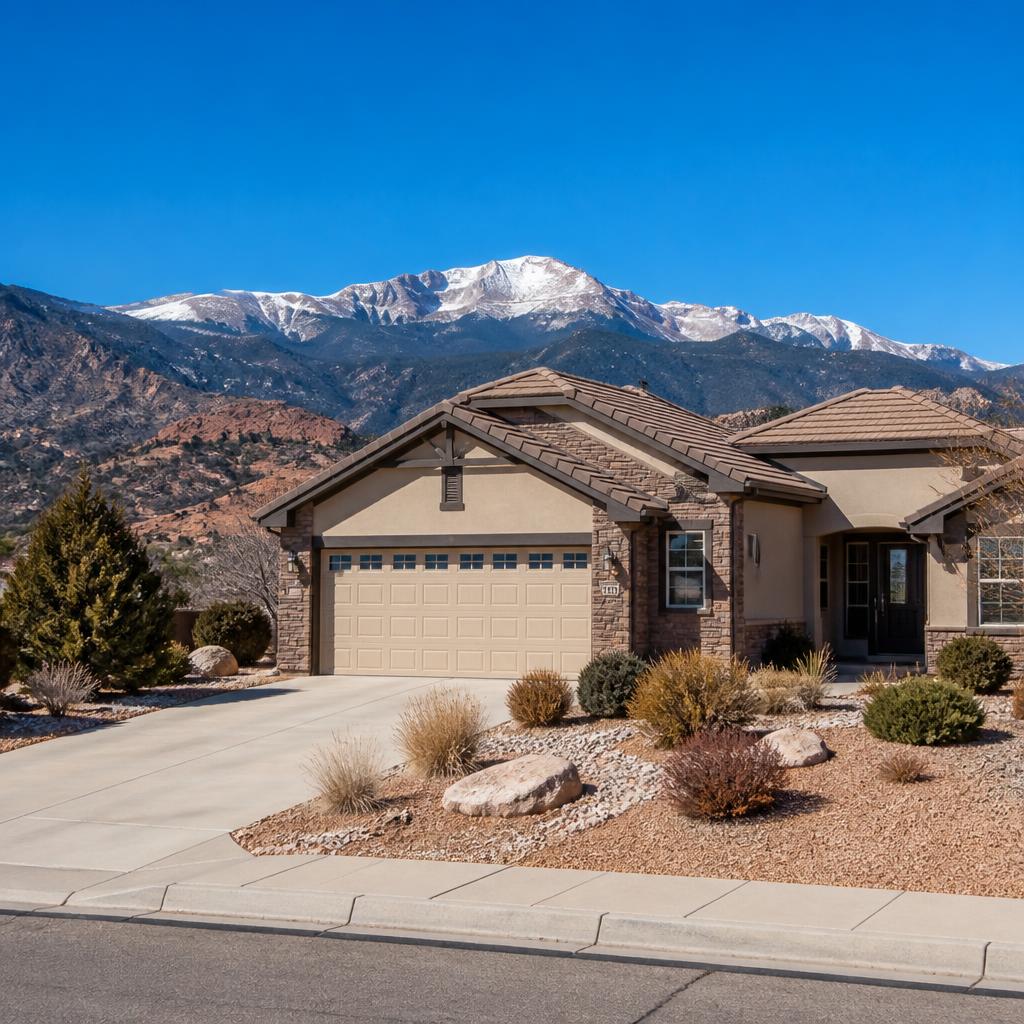
Colorado Springs sits at an elevation of approximately 6,000 feet above sea level. While the scenery is beautiful, the area's elevation also creates environmental conditions that can affect concrete over time.
Many homeowners are surprised to learn that altitude, combined with Colorado's climate, can contribute to cracking, settlement, and surface wear.
Understanding these conditions can help homeowners better protect their driveways, sidewalks, patios, and garage floors.
Why Elevation Matters
Higher elevations experience stronger ultraviolet (UV) radiation, lower humidity, larger daily temperature swings, and more frequent freeze-thaw cycles.
These factors place additional stress on concrete throughout the year.
Although concrete is extremely durable, repeated exposure to changing environmental conditions eventually affects both the slab and the soil supporting it.
Temperature Swings
One characteristic of Colorado Springs is how quickly temperatures can change.
It isn't unusual for mornings to begin below freezing and afternoons to warm significantly.
These rapid changes cause concrete to repeatedly expand and contract.
Over many seasons, this movement may contribute to:
- Small surface cracks
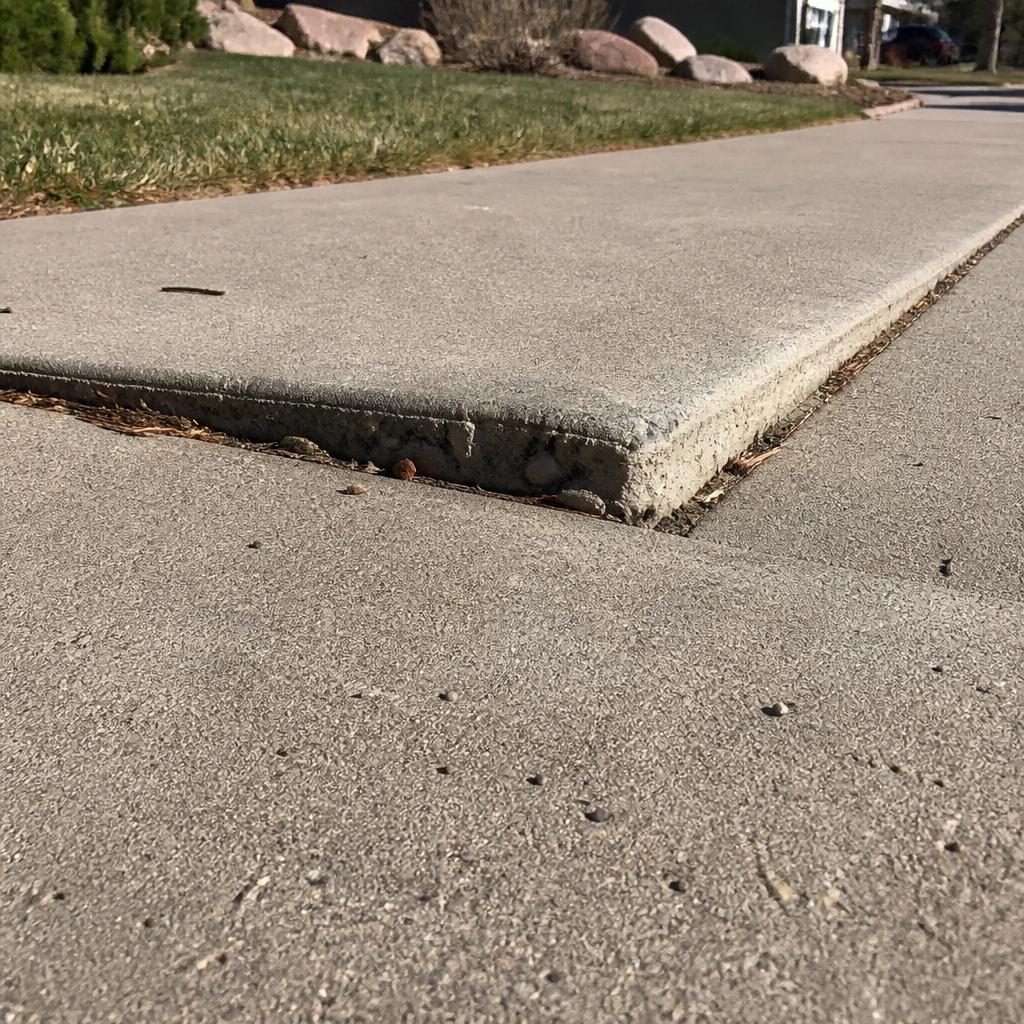
- Joint separation
- Uneven slabs
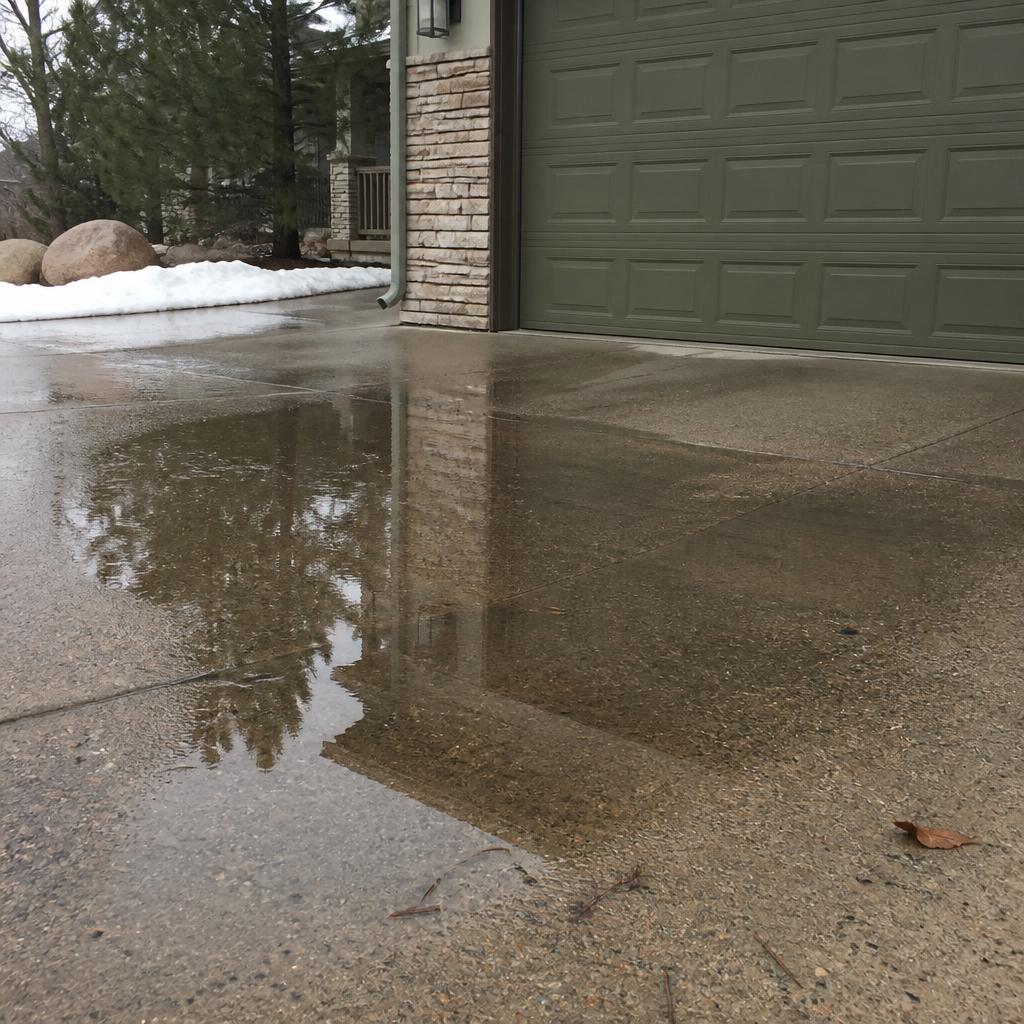
- Water infiltration
Freeze-Thaw Cycles
Moisture entering small cracks or joints can freeze overnight.
As water freezes, it expands.
Repeated freezing and thawing places stress on concrete and the supporting soil beneath it. Learn more about how these cycles contribute to settlement in why concrete sinks in Colorado Springs.
This is one reason homeowners often notice new settlement after winter.
UV Exposure
Colorado receives significantly stronger sunlight than many lower-elevation regions.
Years of intense UV exposure can gradually wear sealers and contribute to surface weathering.
Routine maintenance and periodic sealing may help protect exposed concrete.
Dry Summers and Soil Movement
Colorado Springs often experiences extended dry periods during the summer.
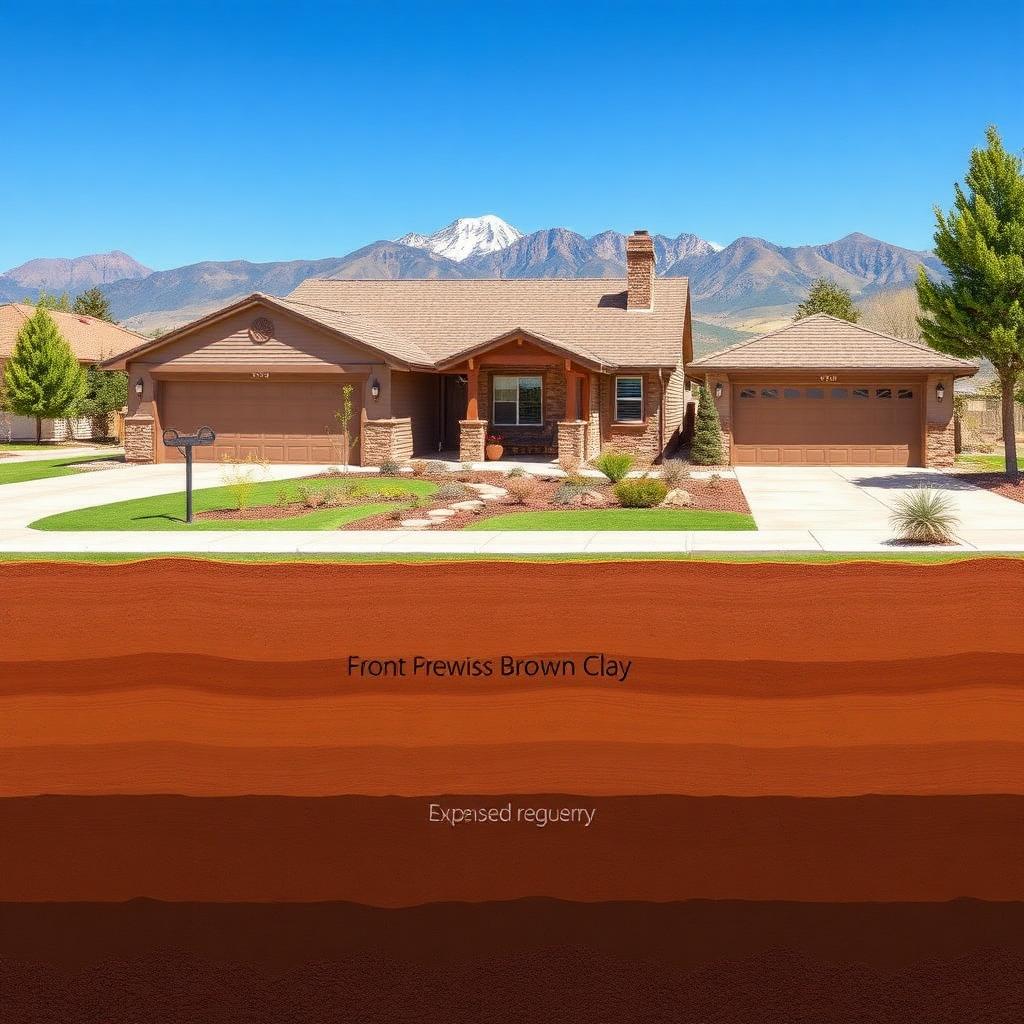
As expansive clay soils lose moisture, they shrink.
Later, irrigation, thunderstorms, or snowmelt restore moisture, causing those same soils to expand again.
This continual movement beneath concrete can eventually create settlement that may be corrected with polyurethane concrete leveling.
What Homeowners Can Do
Although you can't change the climate, you can reduce future problems by:
- Maintaining proper drainage
- Keeping expansion joints sealed
- Directing downspouts away from slabs
- Avoiding excessive irrigation near concrete
- Addressing settlement early before it becomes more severe
Frequently Asked Questions
Does elevation itself crack concrete?
Not directly. However, the weather conditions associated with higher elevations create additional stress over time.
Does Colorado's sun damage concrete?
Strong UV exposure can gradually weather the surface and reduce the life of sealers.
Can concrete leveling correct settlement caused by soil movement?
In many situations, yes. Polyurethane concrete leveling restores support beneath settled slabs without replacing the existing concrete.
Is settlement more common in Colorado Springs than lower elevations?
The combination of expansive clay soils, freeze-thaw cycles, and seasonal moisture changes makes settlement relatively common throughout the Front Range.
Final Thoughts
Colorado Springs' elevation creates a unique environment for concrete.
While driveways, sidewalks, patios, and garage floors are built to withstand the elements, years of temperature swings, freeze-thaw cycles, UV exposure, and changing soil moisture can gradually affect their performance.
Understanding these conditions allows homeowners to recognize problems early and choose repair solutions before settlement becomes more extensive.
Schedule Your Free Estimate
If Colorado's climate has taken a toll on your concrete, a professional inspection can help you understand the most appropriate repair options.
Call 719-521-2291 or request your free estimate online to discuss your project.