Expansive clay soil influences much more than driveways and sidewalks. Learn how it affects drainage, landscaping, fences, and other parts of a Colorado Springs property.
If you've lived in Colorado Springs for any length of time, you've probably heard people mention expansive clay soil.
Most homeowners first learn about it after noticing a settling driveway or uneven sidewalk. However, expansive clay affects much more than concrete.
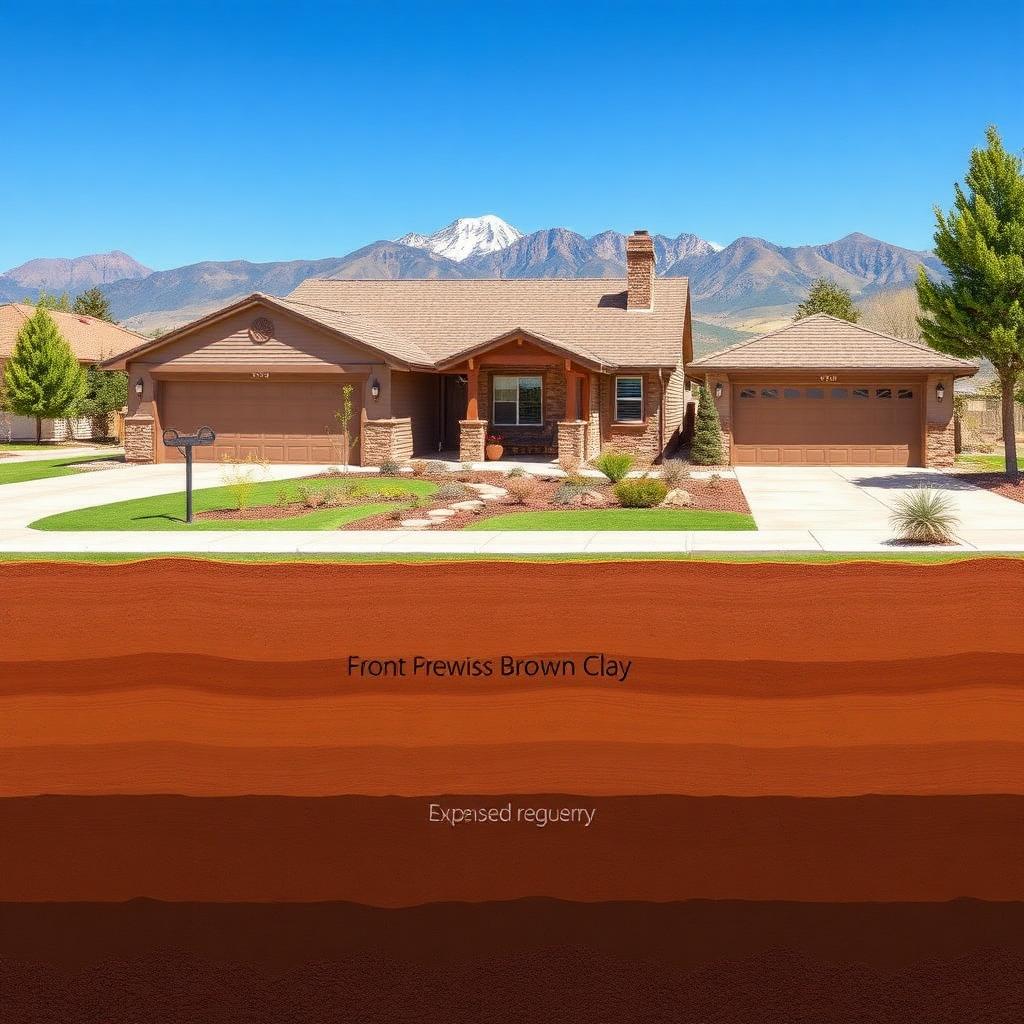
Because this type of soil expands when wet and contracts as it dries, it influences many parts of a property's exterior over time.
Understanding how expansive clay behaves can help homeowners identify maintenance issues early and make better long-term decisions. For a broader look at what causes slabs to move, see why concrete sinks in Colorado Springs.
What Makes Expansive Clay Different?
Unlike sandy or rocky soils, clay changes volume as moisture levels change.
After periods of rain or snowmelt, the soil expands.
During Colorado's dry summer months, it contracts.
These repeated cycles place stress on anything resting above the soil.
Concrete Surfaces
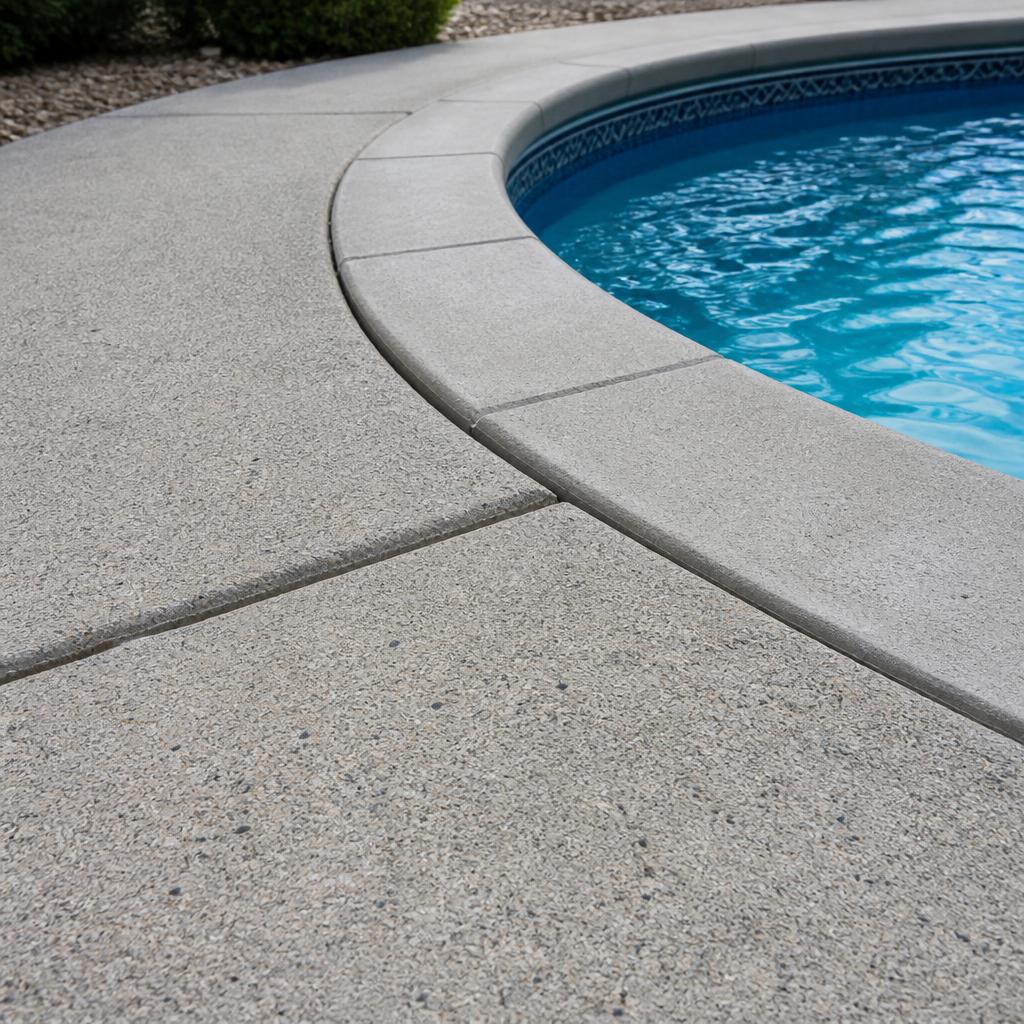
Driveways, sidewalks, patios, pool decks, and garage floors all rely on stable soil for support.
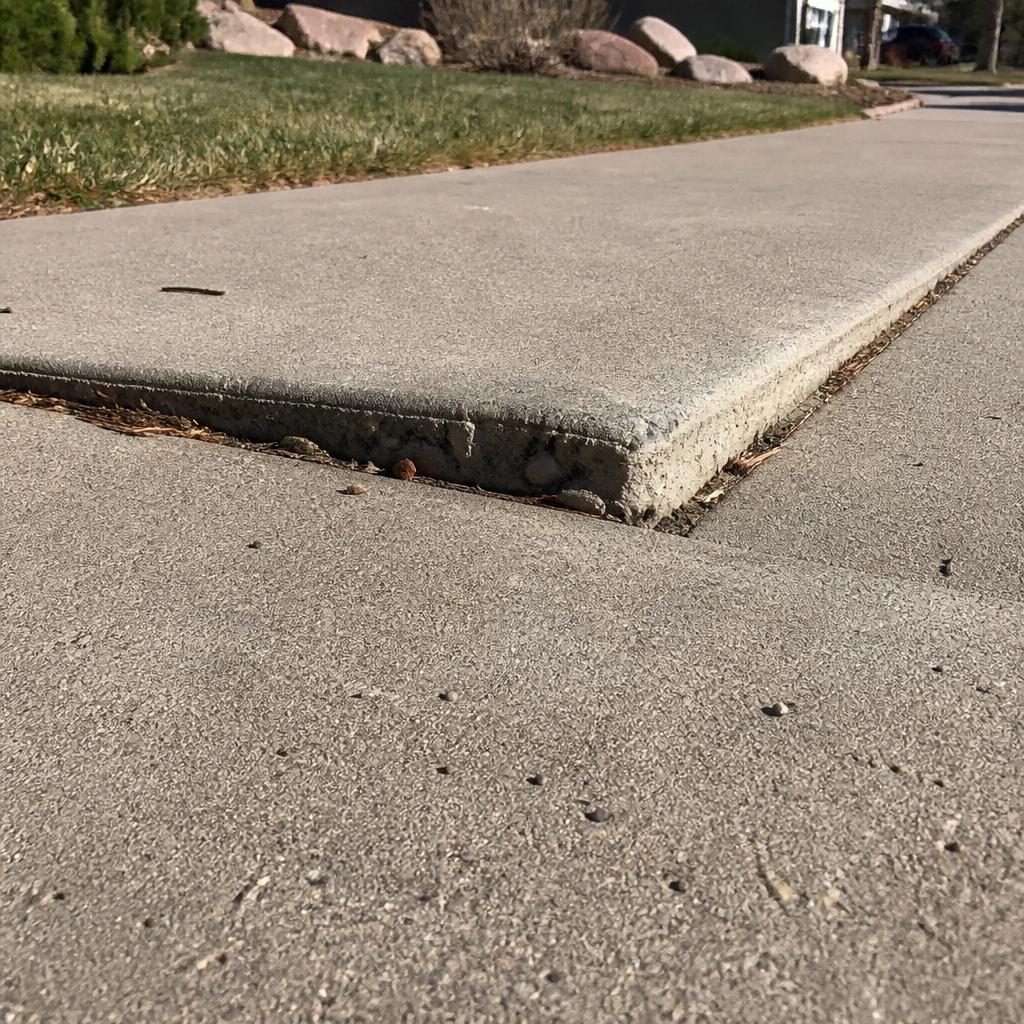
As clay soils move, sections of concrete may settle unevenly or lose support beneath the slab. Common corrections include driveway leveling, sidewalk leveling, and patio leveling.
Landscaping
Changing soil conditions can also affect landscaping.
Homeowners may notice:
- Uneven mulch beds
- Low spots in lawns
- Soil erosion
- Water collecting around landscape borders
Maintaining proper grading helps reduce many of these issues. Nearby tree roots can add to the movement — see can tree roots cause concrete to sink in Colorado Springs for more.
Fences and Gates
Posts installed in expansive clay soils may gradually shift over time.
This can lead to:
- Gates that no longer latch properly
- Leaning fence sections
- Misaligned posts
Routine inspections help identify gradual movement before larger repairs become necessary.
Drainage
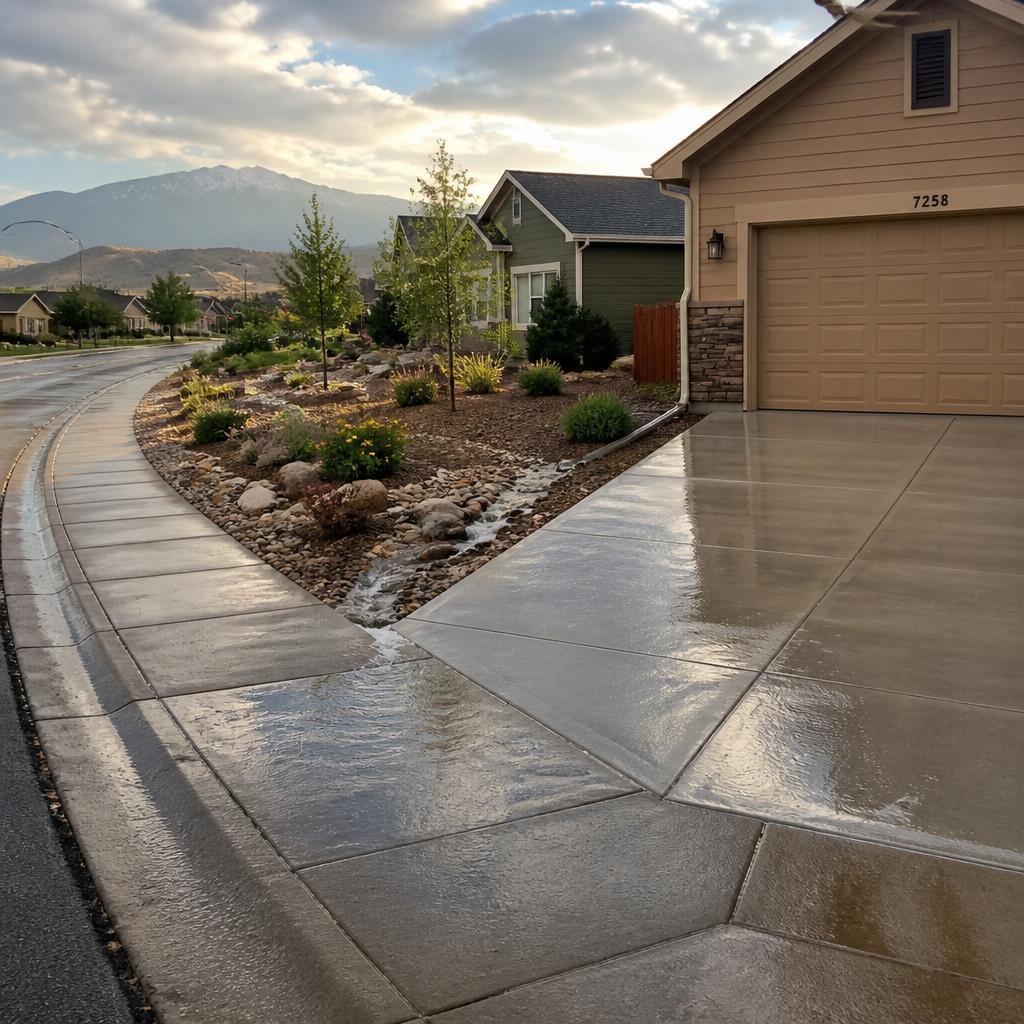
Because expansive clay absorbs water differently than many other soil types, drainage patterns may change throughout the year.
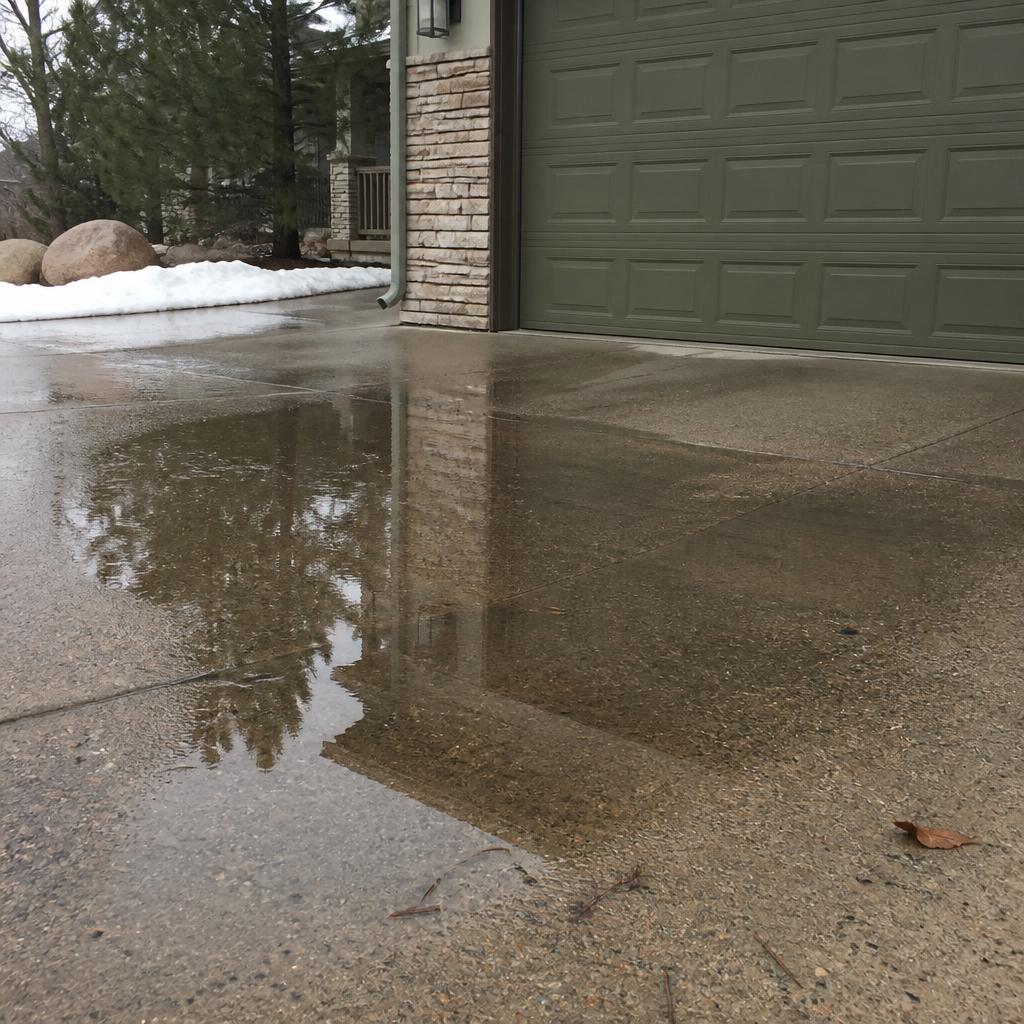
Poor drainage can increase soil movement beneath concrete and other outdoor surfaces. Learn more in how poor drainage causes concrete settlement in Colorado Springs.
Keeping water moving away from structures and hardscapes remains one of the most effective long-term maintenance practices.
Seasonal Changes
Colorado Springs homeowners often experience:
- Snowmelt
- Summer thunderstorms
- Dry periods
- Freeze-thaw cycles
Each of these conditions changes soil moisture and contributes to the expansion and contraction cycle. Read more about how high elevation and freeze-thaw cycles affect long-term slab performance.
What Homeowners Can Do
While expansive clay cannot be eliminated, homeowners can reduce its impact by:
- Maintaining consistent drainage
- Extending downspouts away from concrete
- Avoiding excessive irrigation
- Monitoring areas where water collects
- Inspecting concrete twice each year
These simple maintenance habits may help reduce future settlement and protect outdoor surfaces.
Frequently Asked Questions
Is expansive clay found throughout Colorado Springs?
Yes. Many neighborhoods throughout the Colorado Springs area contain expansive clay soils, although conditions vary from property to property.
Does expansive clay only affect concrete?
No. It can also influence drainage, landscaping, fences, retaining walls, and other exterior features.
Can drainage improvements help?
Proper drainage helps reduce excessive moisture changes beneath concrete and surrounding soil.
Should I inspect my property regularly?
Yes. Seasonal inspections help identify changes before they become larger maintenance concerns.
Final Thoughts
Expansive clay soil is one of the defining characteristics of many Colorado Springs properties.
Understanding how it affects concrete, landscaping, drainage, and other outdoor features allows homeowners to take a proactive approach to maintaining their property for years to come.
If you're seeing signs of settlement on your property, call 719-521-2291 or request your free estimate online to discuss your options.