Skip to content

Why Driveways Sink in Colorado Springs (and How to Tell If Yours Can Be Lifted)

May 12, 20266 min read

Free 44-Page Homeowner Guide

Get the Free 44-Page Homeowner Guide

Understand common causes of sinking concrete, repair versus replacement, contractor questions, and Colorado Springs–specific concrete concerns.

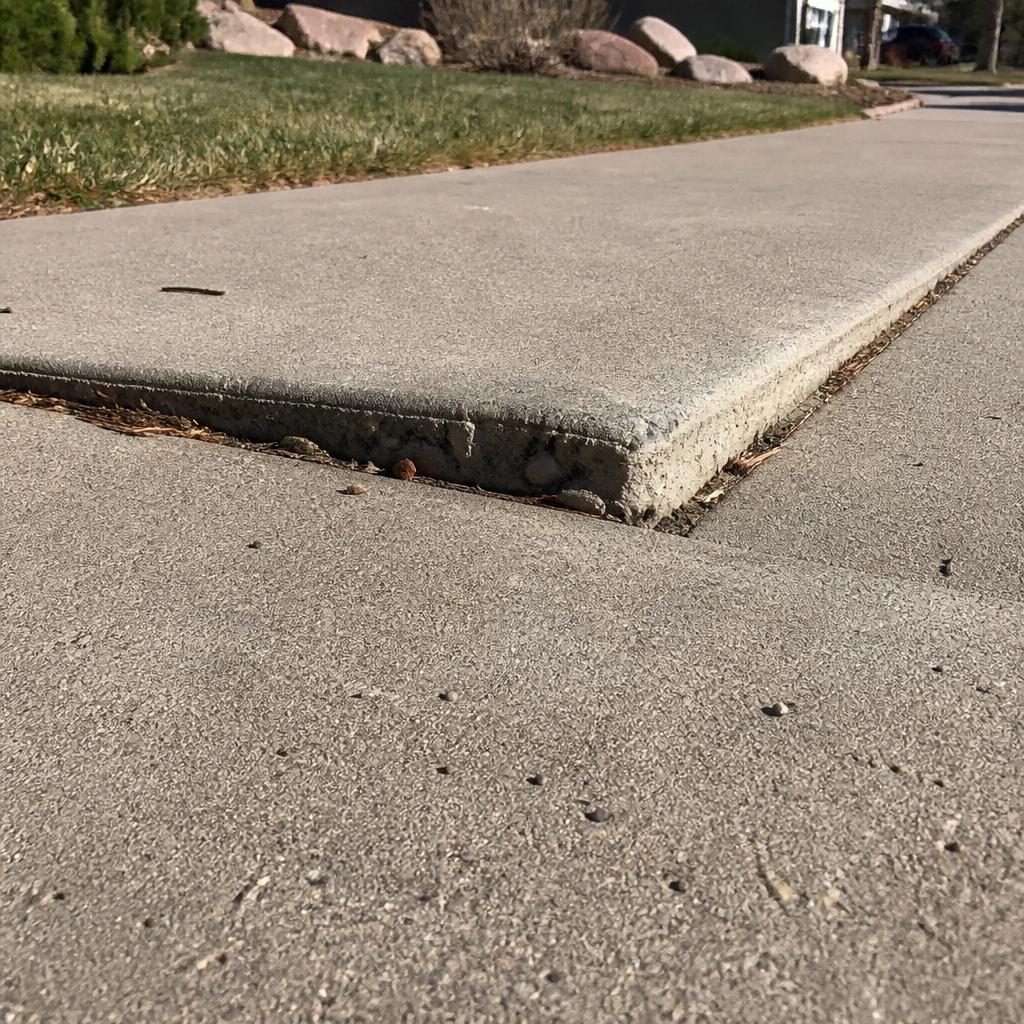
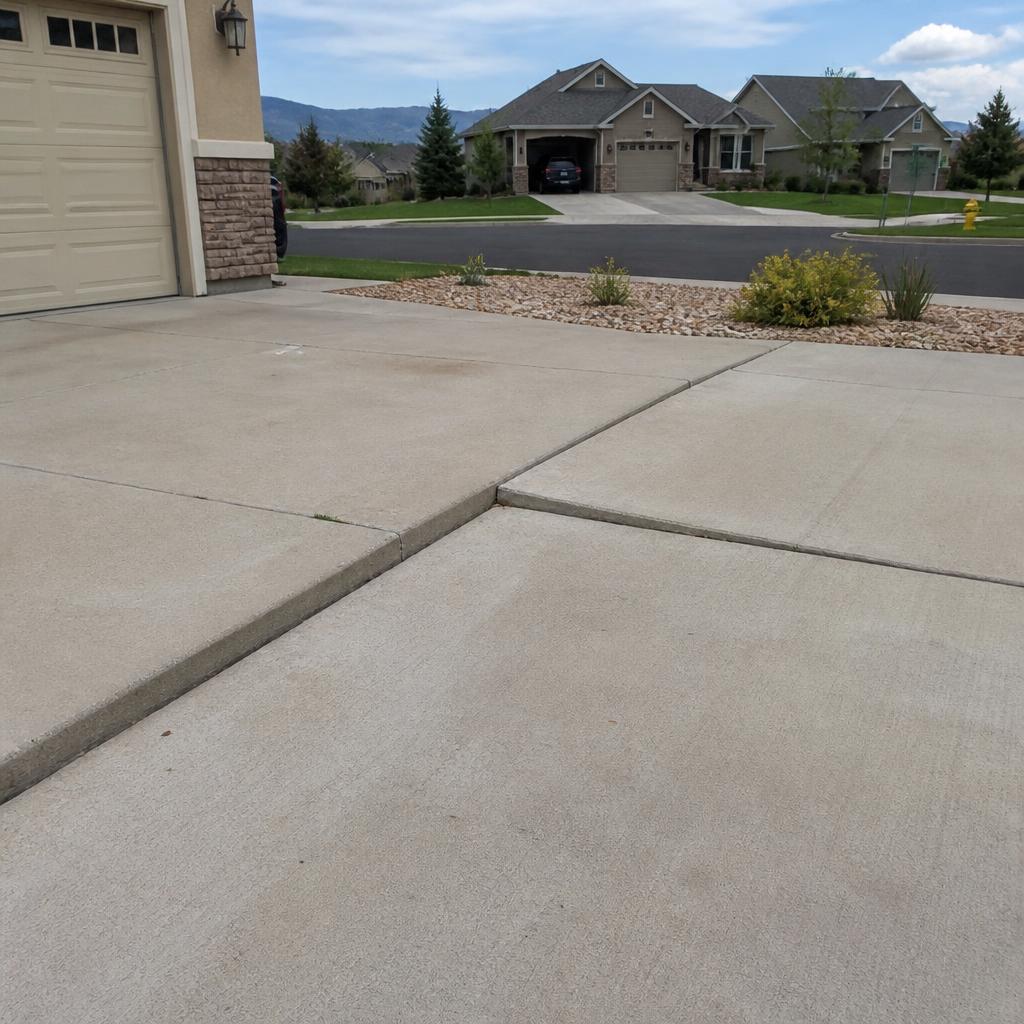
A residential driveway showing a clear vertical offset from settlement

We're here to help

Questions? We're Here to Help.

Not every concrete problem requires an on-site visit.

Many questions can be answered with a quick phone call, helping you understand your options before scheduling an evaluation. Sometimes a quick conversation is all it takes to point you in the right direction.

If an on-site visit is needed, we'll help arrange it.

No pressure. No obligation. Just honest answers and the right solution for your property.

Whether you need answers, have questions, or are ready for an estimate, we're here to help. Give us a call or send us a quick message — we'd be happy to assist.

Call 719-521-2291Fastest way to get a straight answer

Send us a quick message

Many questions can often be answered over the phone. If an on-site evaluation is needed, we'll help arrange it.

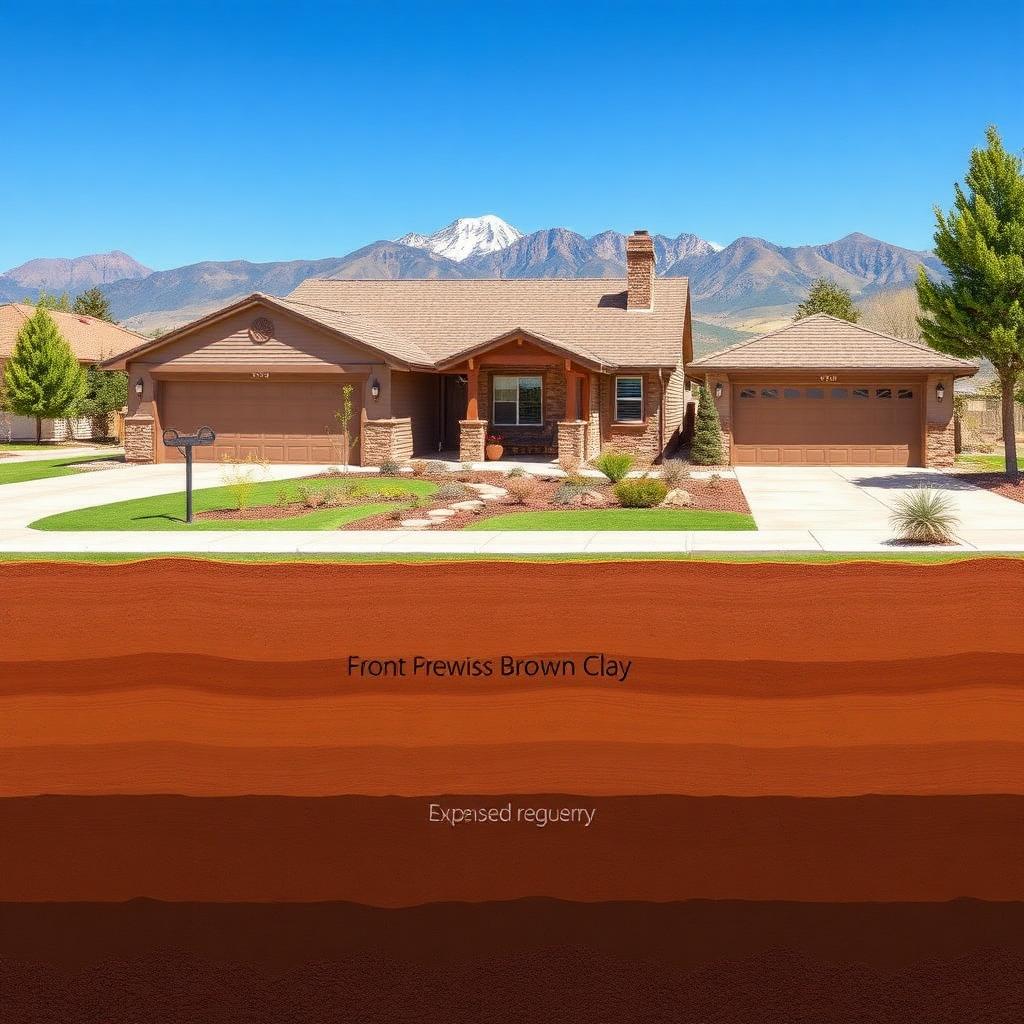
Wet winters, poor drainage and expansive clay soils and loose construction fill cause most residential driveway settlement along the Front Range. Here's how to spot the cause — and whether lifting is right for your slab.

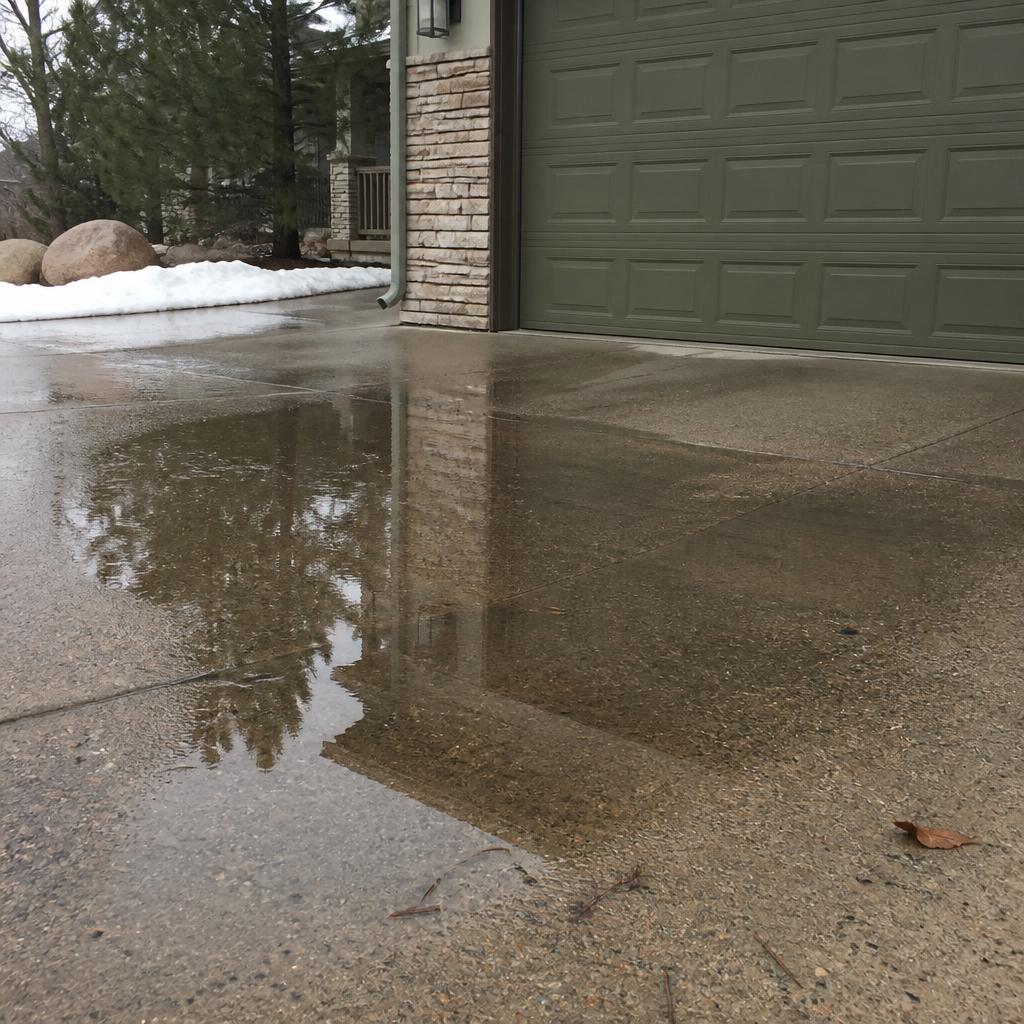
Water pooling on a residential driveway from a settled slab
Water pooling on a residential driveway from a settled slab.

Most sinking driveways in Colorado Springs share three culprits: water, soil and time. When the ground beneath a slab loses volume — from erosion, from decomposing organic material left during construction, or from soil compaction — the slab loses support and begins to drop.

The good news is that in the vast majority of residential driveways, the concrete itself is still structurally sound. The problem is underneath. That's exactly the situation concrete lifting is designed for: instead of demolishing a perfectly usable slab, a specialty contractor fills the void beneath it and raises the concrete back to level.

Not every slab qualifies. Deeply cracked, spalled or crumbling concrete is usually a replacement job. But a slab that has settled evenly, or tilted at one edge, with only hairline cracks along control joints, is almost always a candidate for lifting.
Think Your Concrete May Qualify for Lifting?

Free on-site inspection · Fixed written quote · No obligation

Keep reading

More in Concrete Problems

See all

Lift it — don't replace it.

Have questions about your concrete? Need advice? Want a free estimate? We're here to help. Concrete leveling saves the slab you already have, at a fraction of the cost of replacement.

  • Often less costly and less disruptive than tear-out and replacement
  • Repair before replacement when appropriate
  • Modern concrete lifting methods
  • Clear recommendations — no pressure, no upsells

Free Estimates · Colorado Springs-Focused Service · Clear Recommendations