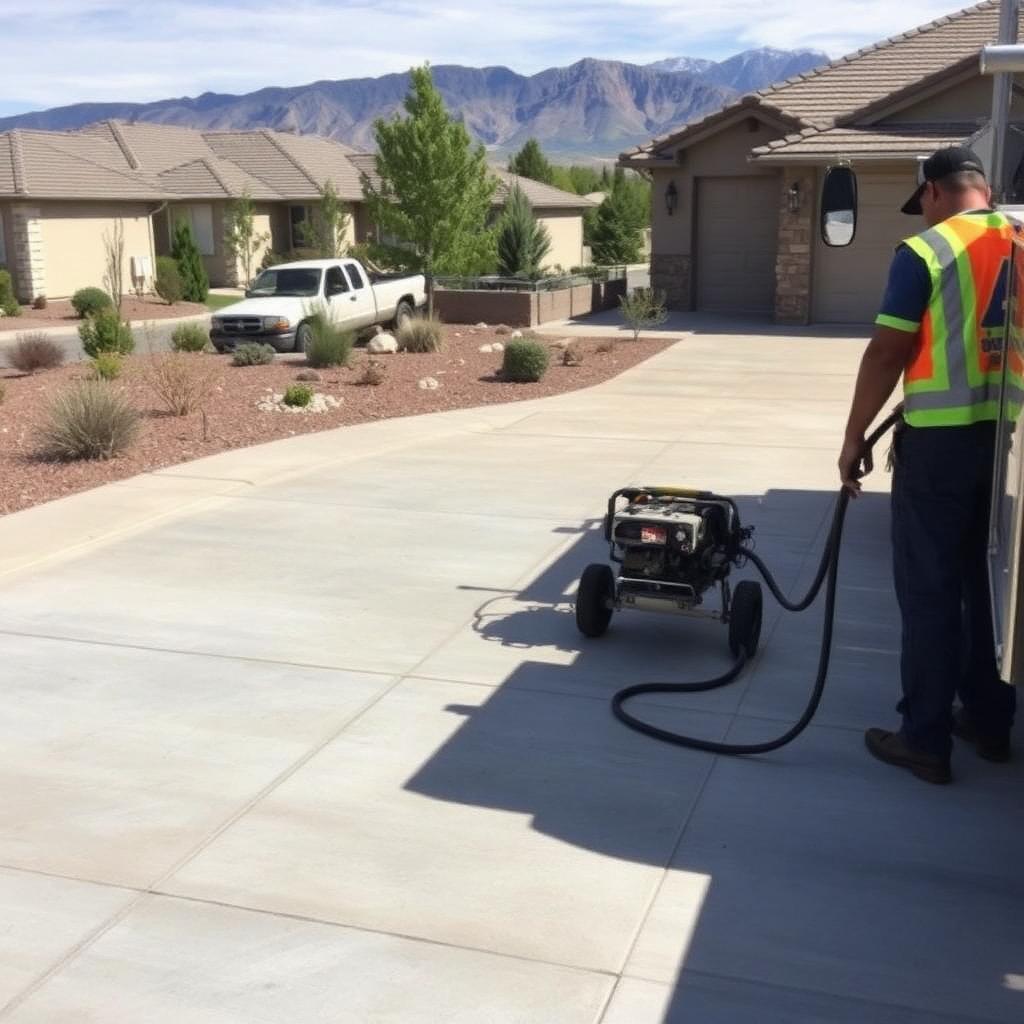
Wondering how long concrete leveling lasts? Learn what affects the lifespan of polyurethane concrete leveling, what homeowners can do to protect their investment, and when repairs may still be needed.
One of the most common questions homeowners ask is:
"How long will concrete leveling last?"
The honest answer is that no repair has exactly the same lifespan because every property is different.
The longevity of concrete leveling depends on several factors, including soil conditions, drainage, the condition of the existing slab, and the quality of the repair.
Many homeowners enjoy long-lasting results, especially when the underlying cause of settlement is properly addressed.
Concrete Doesn't Usually Wear Out
Many people assume concrete sinks because the concrete itself is failing.
In reality, the slab is often still structurally sound.
Instead, the supporting soil beneath the concrete changes over time.
When those soil conditions are stabilized and the slab is properly supported, leveling can provide a durable repair.
What Affects How Long Concrete Leveling Lasts?
Several factors influence the long-term performance of any repair.
Drainage
Proper drainage is one of the biggest factors.
Water that continually washes soil away beneath concrete can contribute to future settlement.
Soil Conditions
Different soil types expand and contract differently.
Clay soils, loose fill, erosion, and moisture changes all affect how the ground behaves over time.
Existing Concrete Condition
Concrete that is already severely deteriorated may not be a good candidate for leveling.
The stronger the slab, the better the opportunity for a successful repair.
Installation Quality
Every repair depends on proper evaluation and installation.
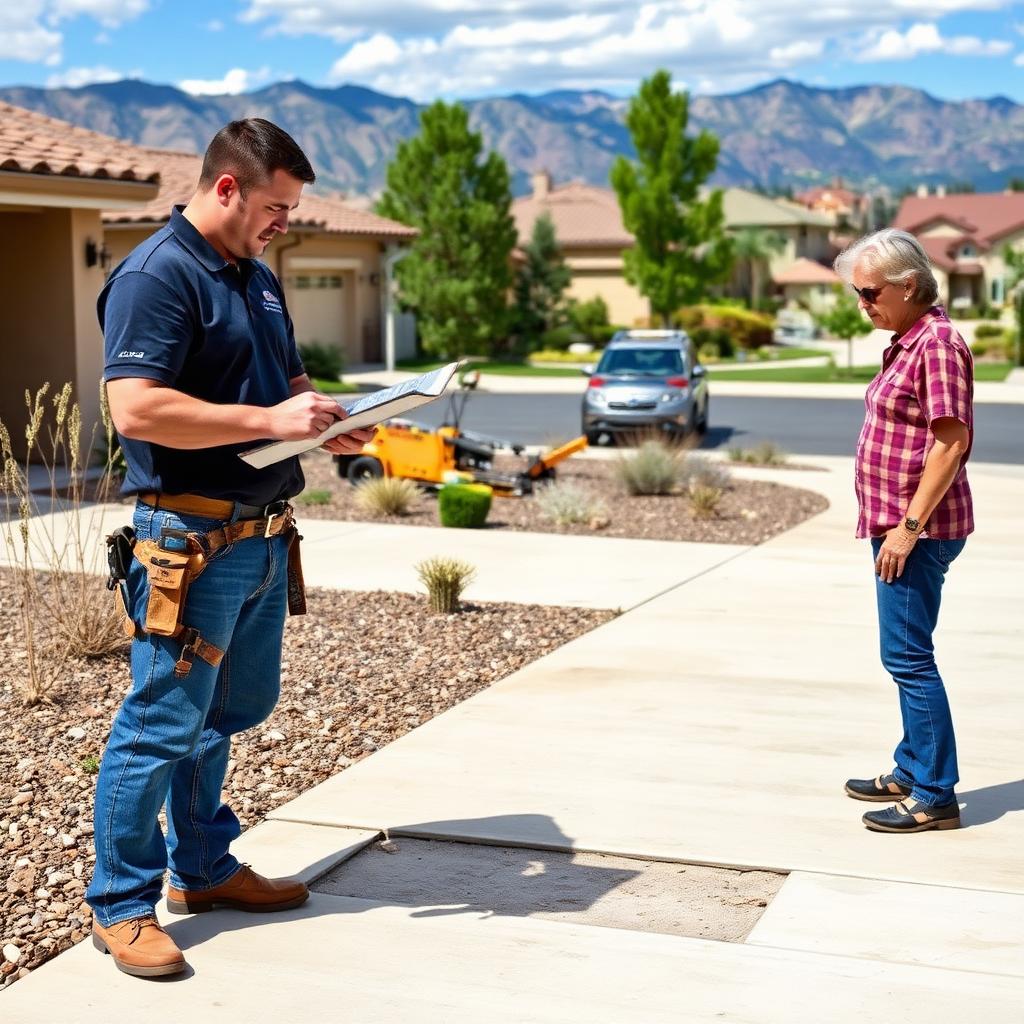
A thorough inspection helps identify voids, settlement patterns, and potential drainage concerns before lifting begins.
Does Polyurethane Foam Break Down?
Modern structural polyurethane foam is designed to be durable and moisture-resistant.
However, the long-term performance of any repair depends on the surrounding soil conditions and whether the original cause of settlement has been addressed.
No repair can prevent future soil movement caused by entirely new drainage or ground conditions.
Can Concrete Sink Again?
It can.
If new erosion develops or drainage problems occur years later, additional settlement is possible.
That doesn't necessarily mean the original repair failed.
It may simply mean the supporting soil has changed again over time.
How Homeowners Can Help Protect Their Concrete
Homeowners can often reduce the likelihood of future settlement by:
- Keeping gutters clean
- Extending downspouts away from slabs
- Repairing leaking irrigation systems
- Improving drainage
- Avoiding standing water around concrete
Small maintenance steps can help preserve both the concrete and the supporting soil.
Is Concrete Leveling Worth It?
For many homeowners, leveling offers an opportunity to restore existing concrete without the expense and disruption of replacement.
When the slab is structurally sound, leveling may improve safety, appearance, and usability while preserving the existing concrete.
Every project should be evaluated individually to determine the most appropriate repair.
Schedule a Free Estimate
If your driveway, sidewalk, patio, garage floor, or other concrete surface has settled, a professional inspection can help determine whether leveling is a good option.
Commercial concrete leveling is also available for businesses, property managers, and industrial facilities throughout the Colorado Springs area.
Colorado Springs Concrete Leveling provides free estimates throughout Colorado Springs and surrounding communities.
Call 719-521-2291 or request your free estimate online to learn more.
For more reading, explore why concrete sinks in Colorado Springs, concrete leveling vs concrete replacement, concrete leveling cost Colorado Springs, and polyurethane foam vs mudjacking.