Minor concrete settlement rarely stays minor. Here's how small dips, low spots, and slight offsets can progress into larger repairs on Colorado Springs properties — and why early attention often preserves repair options.
Many concrete problems begin with something that seems minor.
A sidewalk corner settles half an inch. A driveway develops a slight dip. A patio starts collecting a little water after a storm.
Because these changes often happen gradually, homeowners may assume they can wait.
In many situations, however, small settlement problems become more expensive to address as the underlying conditions continue to change. Learn more in what happens if you ignore uneven concrete.
Settlement Rarely Stops on Its Own
Concrete typically settles because the supporting soil beneath it changes.
In Colorado Springs, expansive clay soils, seasonal moisture fluctuations, snowmelt, and freeze-thaw cycles can all contribute to continued movement. See why concrete sinks in Colorado Springs for more detail.
Without addressing the underlying issue, slabs may continue to shift over time.
Drainage Can Worsen
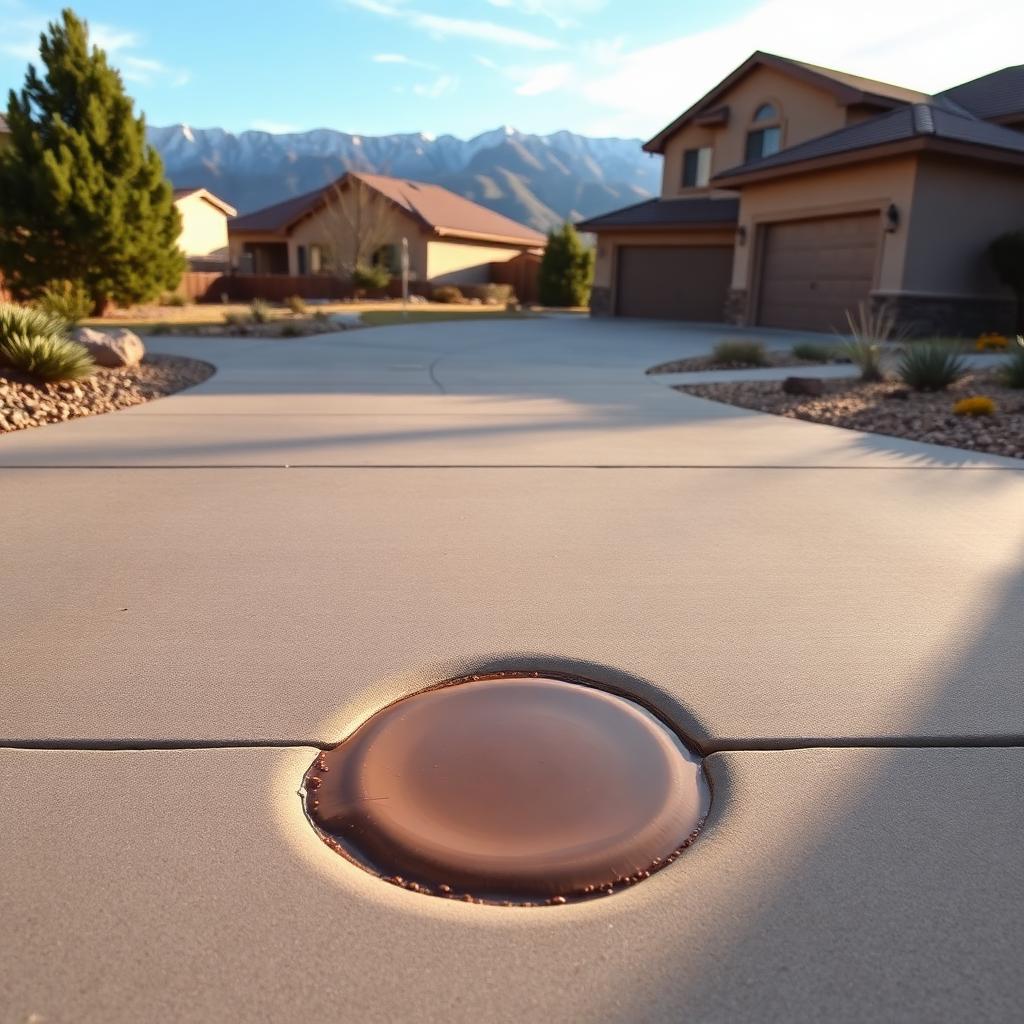
A small low spot may eventually redirect water where it doesn't belong.
Standing water can:
- Increase soil movement
- Create slippery walking surfaces
- Accelerate erosion
- Place additional stress on nearby slabs
Managing settlement early often helps maintain proper drainage patterns, particularly on settled driveways and patios.
Trip Hazards Become More Noticeable
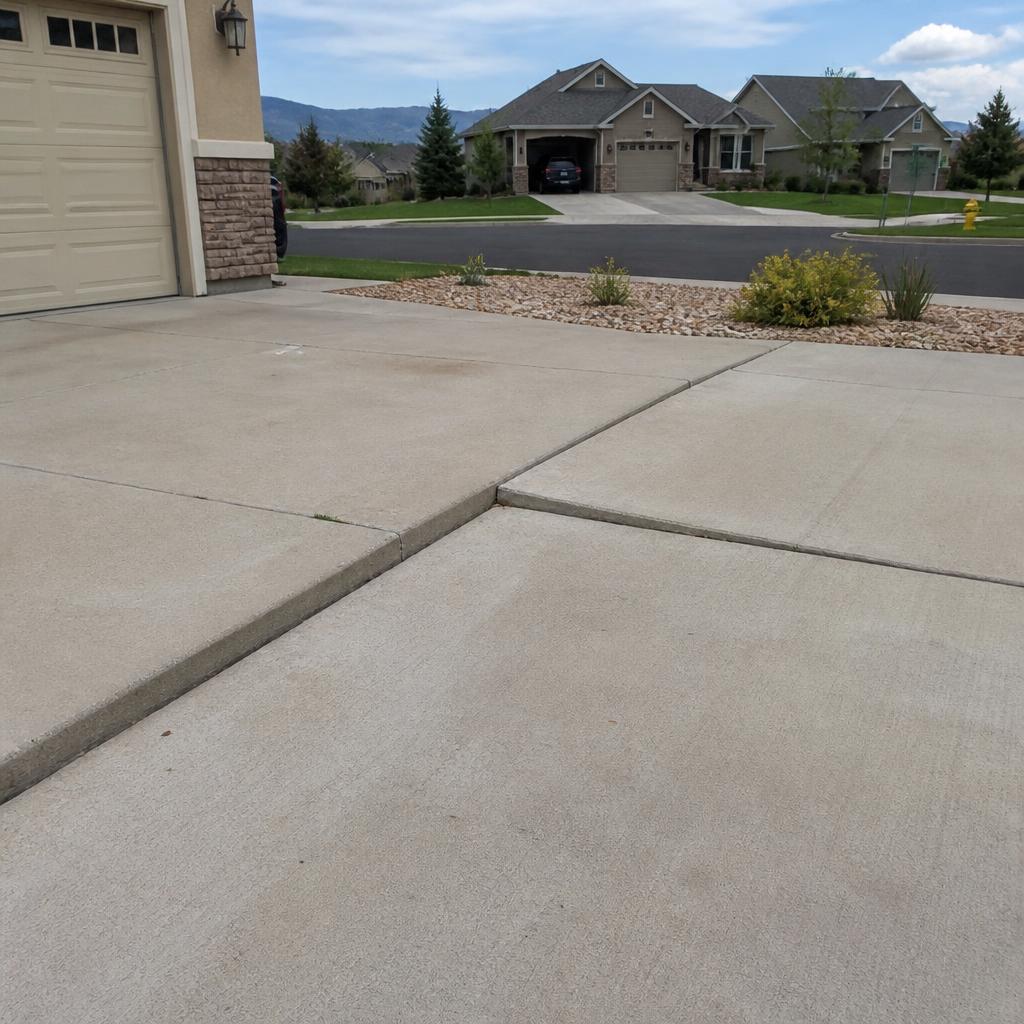
Even modest height differences between slabs can become safety concerns.
As settlement progresses, uneven walkways may present greater risks for:
- Family members
- Visitors
- Delivery personnel
- Service providers
Repairing concrete before the height difference becomes significant can help maintain safer walking surfaces, and sidewalk leveling is often a straightforward way to address early offsets.
Cosmetic Issues Can Affect Curb Appeal
Driveways, sidewalks, and patios are among the first features visitors notice.
Uneven concrete may draw attention away from an otherwise well-maintained property.
Addressing settlement can help improve the overall appearance of your home's exterior. Interior spaces such as settled garage floors can benefit as well.
Replacement Isn't Always Necessary
Many homeowners assume that waiting means they will eventually have to replace the concrete.
In reality, many settled slabs remain structurally sound and can often be lifted using polyurethane concrete leveling.
Early evaluation may provide more repair options than waiting until additional deterioration occurs.
Frequently Asked Questions
Does every small settlement problem become serious?
Not necessarily, but settlement often progresses if the underlying cause continues.
Should I repair cosmetic settlement?
Every situation is different. Even cosmetic settlement may affect drainage or create future safety concerns.
Is concrete leveling less disruptive than replacement?
In many cases, yes. Concrete leveling often restores existing slabs without demolition.
How can I monitor settlement?
Take photos several times each year and observe changes after heavy rain, snowmelt, or seasonal weather changes.
Final Thoughts
Small concrete problems don't always remain small.
By paying attention to early signs of settlement and understanding the conditions that affect Colorado Springs properties, homeowners can make informed maintenance decisions that help protect both safety and long-term property value.
Schedule Your Free Estimate
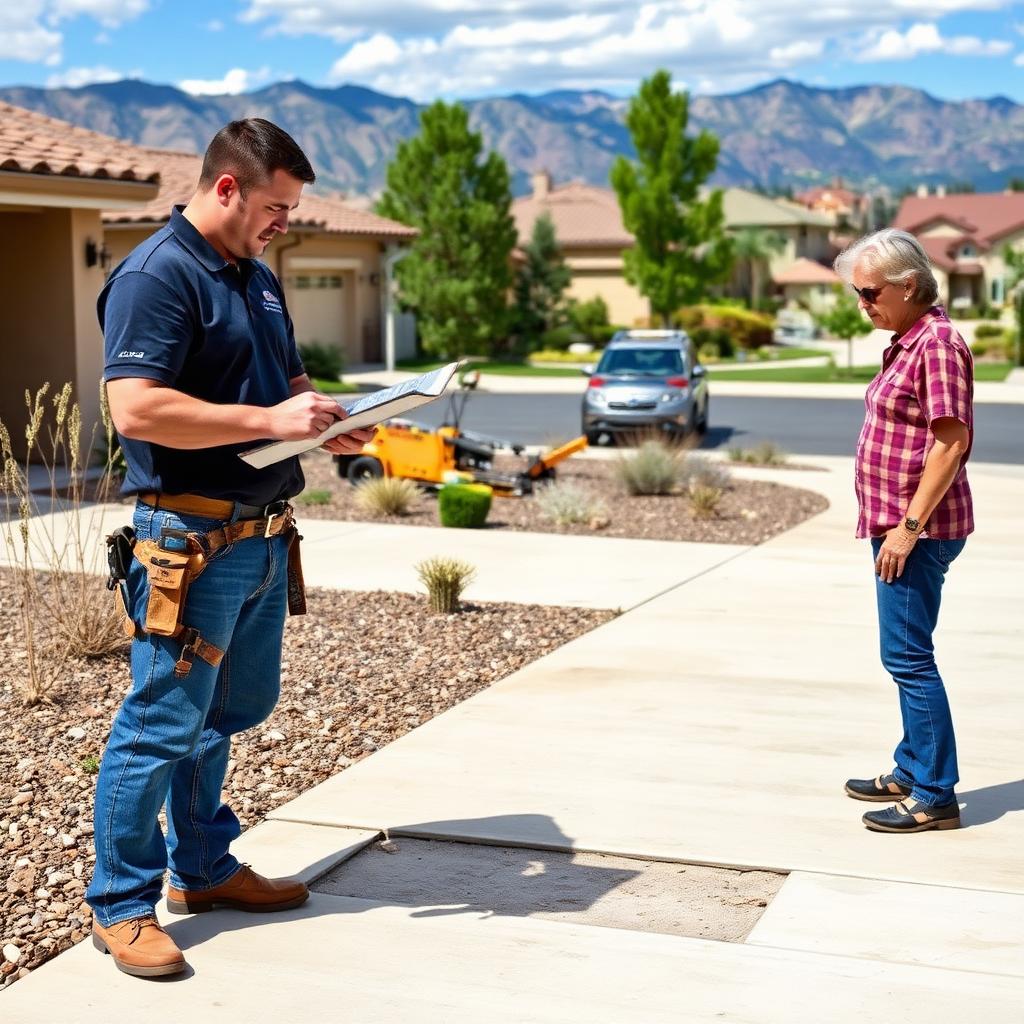
If you've noticed early signs of settlement, a professional evaluation can help you decide whether repairs make sense now.
Call 719-521-2291 or request your free estimate online to discuss your project.