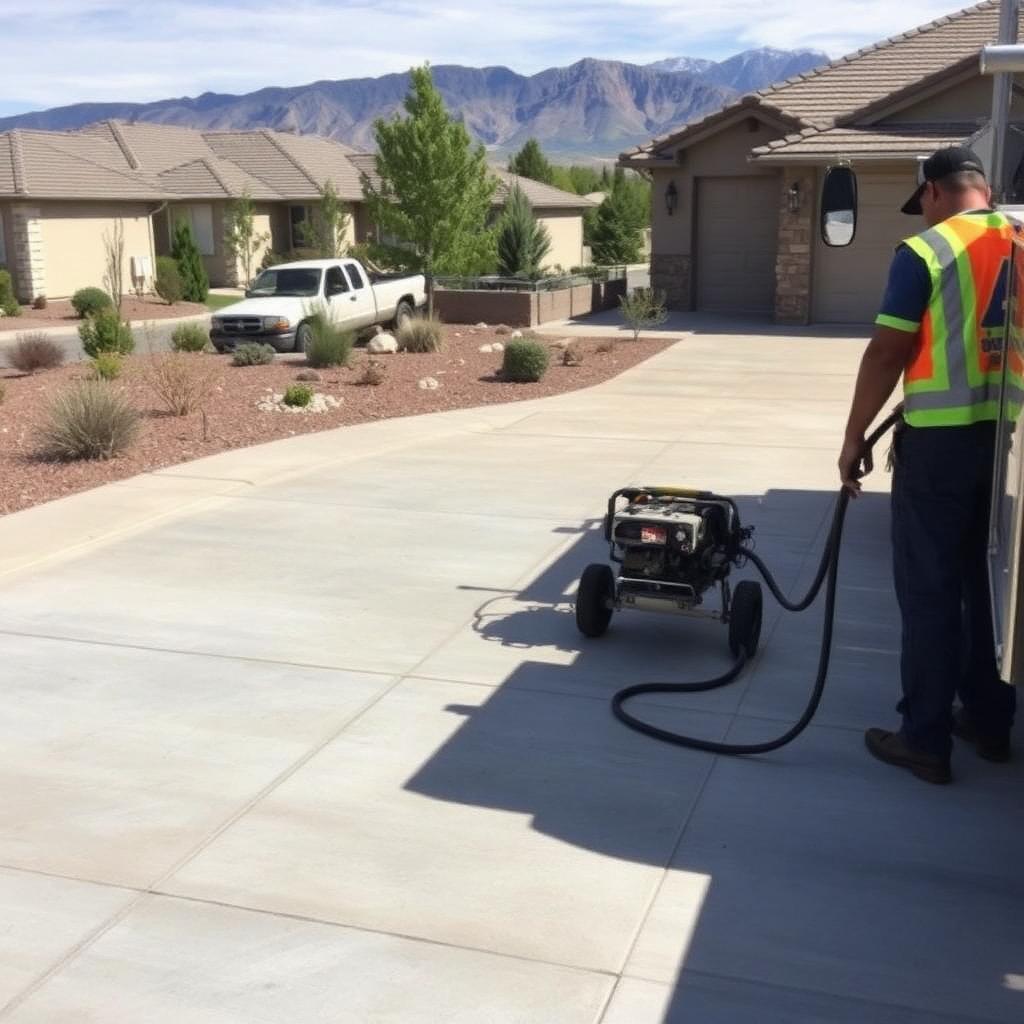
Uneven concrete rarely improves on its own. Here's how settlement typically progresses on Colorado Springs properties, why early repair matters, and when polyurethane leveling is a practical alternative to replacement.
Many homeowners notice a small section of uneven concrete and assume it's something they can deal with later.
In many cases, the problem starts small. A slight slope in a driveway, a sidewalk that's just beginning to settle, or a patio that holds a little water may not seem urgent.
However, concrete settlement rarely improves on its own.
For homeowners in Colorado Springs, where expansive clay soils, freeze-thaw cycles, and changing moisture conditions are common, waiting too long may allow a manageable repair to become a much larger project.
Small Problems Often Become Larger
Concrete usually settles gradually.
As the soil beneath a slab shifts, the difference in height often becomes more noticeable over time.
What begins as a minor cosmetic issue may eventually become a safety concern or create additional stress on surrounding concrete.
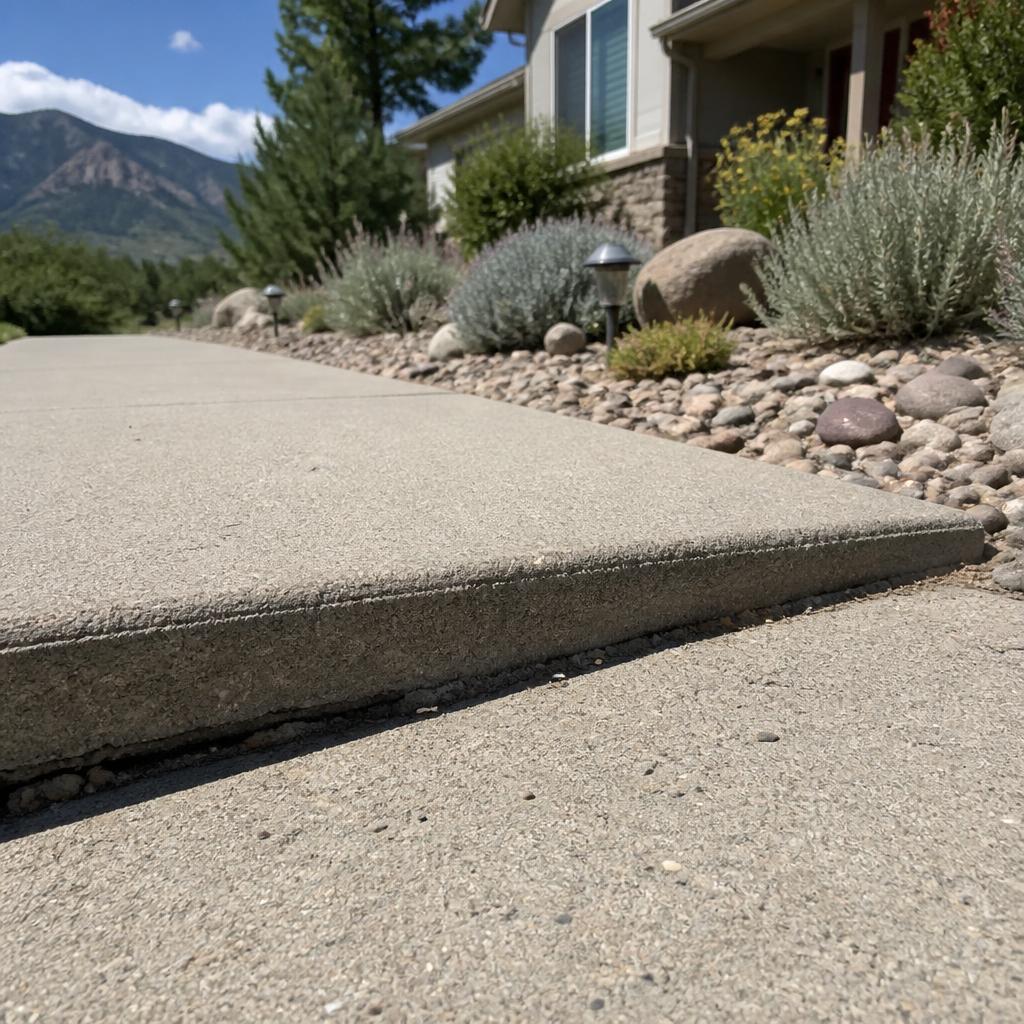
Trip Hazards
One of the biggest concerns with uneven sidewalks and walkways is the increased risk of trips and falls.
Even a small height difference can become a hazard for:
- Children
- Older adults
- Guests
- Delivery personnel
Repairing uneven concrete early with sidewalk leveling can improve safety around your home.
Water Can Make Settlement Worse
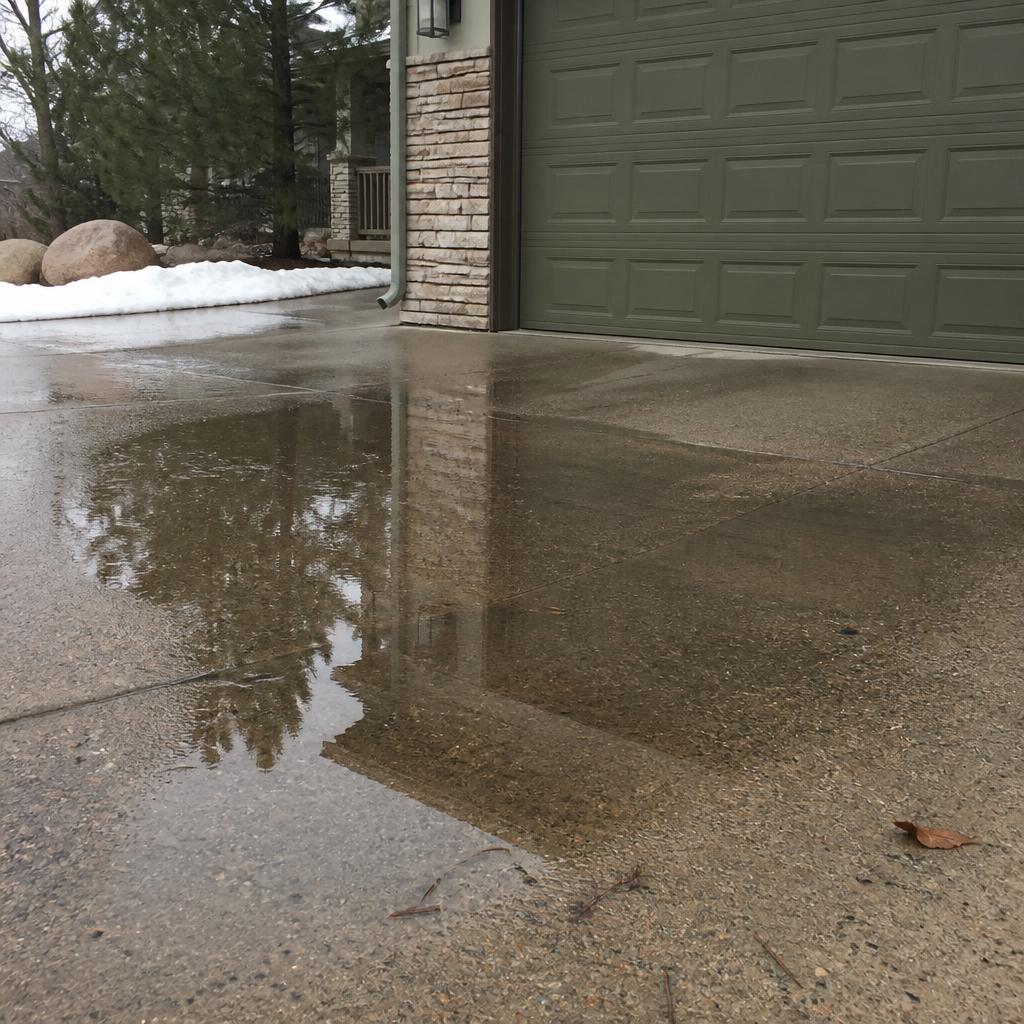
Uneven concrete often changes the way water drains across your property.
Instead of flowing away, water may collect in low areas or along the edges of slabs.
Over time, excess moisture can contribute to additional soil movement beneath the concrete. Read more in how poor drainage causes concrete settlement in Colorado Springs.
Cracks May Continue to Grow
As concrete loses support beneath certain areas, additional stress can develop across the slab.
While not every crack becomes serious, continued settlement may increase cracking and make repairs more complicated.
Colorado Springs Weather Adds Stress
Colorado Springs experiences:
- Freeze-thaw cycles
- Snowmelt
- Summer thunderstorms
- Dry summers
- Expansive clay soils
These conditions can gradually increase settlement if the underlying cause isn't addressed. Learn more in why concrete sinks in Colorado Springs and how freeze-thaw cycles at higher elevation affect long-term slab performance.
Why Early Repair Often Makes Sense
Concrete leveling is often most effective before settlement becomes severe.
Addressing a problem earlier may:
- Improve safety
- Preserve curb appeal
- Reduce additional movement
- Avoid unnecessary concrete replacement
- Restore proper drainage
Similar considerations apply to settled driveways, where early leveling often prevents larger issues down the road.
Frequently Asked Questions
Will uneven concrete level itself?
No. Concrete generally does not return to its original position without repair.
Is every uneven slab dangerous?
Not always, but even small height differences can become trip hazards.
Does settlement usually stop?
Settlement may continue if the underlying soil conditions remain unchanged.
Can concrete leveling help before replacement becomes necessary?
In many situations, yes. If the slab is structurally sound, leveling is often an effective alternative to replacement.
Final Thoughts
Ignoring uneven concrete doesn't always create immediate problems, but waiting often allows settlement to progress.
For many Colorado Springs homeowners, addressing settlement early can improve safety, preserve appearance, and help avoid larger repairs in the future.
Schedule Your Free Estimate
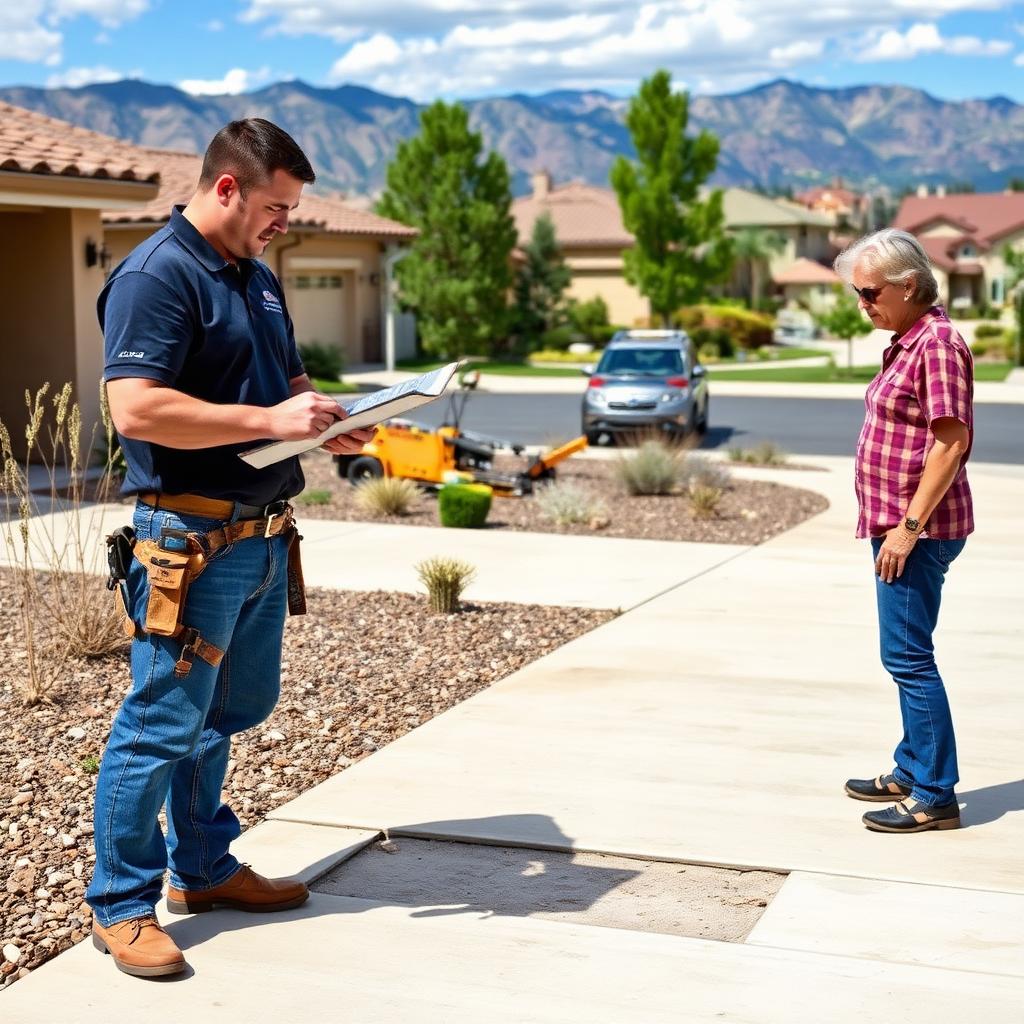
If uneven concrete has appeared around your Colorado Springs home, a professional inspection can help you understand your repair options before the problem grows.
Call 719-521-2291 or request your free estimate online to discuss your project.