Colorado Springs HOAs maintain sidewalks, walking paths, pool decks, and other shared concrete surfaces that experience year-round use. Here's how boards and property managers can plan inspections and address settlement early.
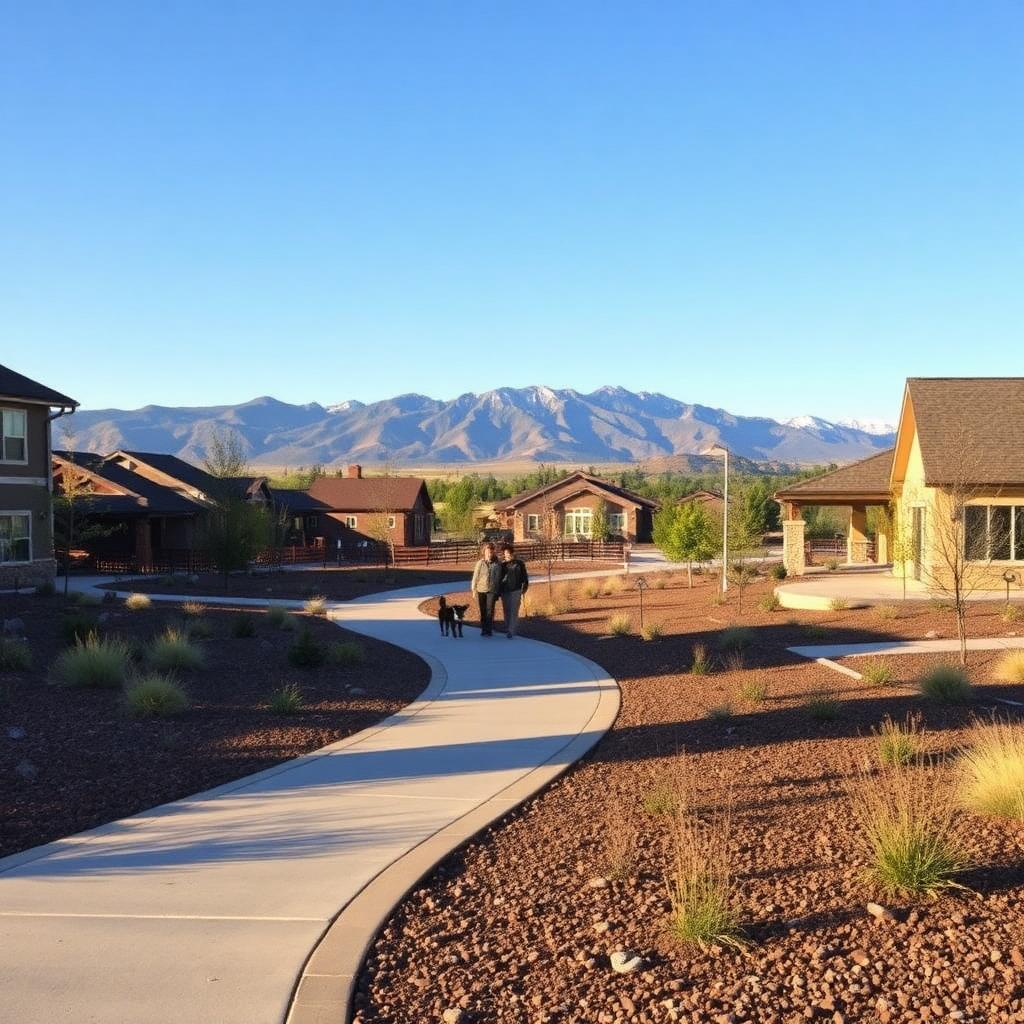
Homeowners associations (HOAs) are responsible for maintaining many of the shared spaces that make a community attractive and safe.
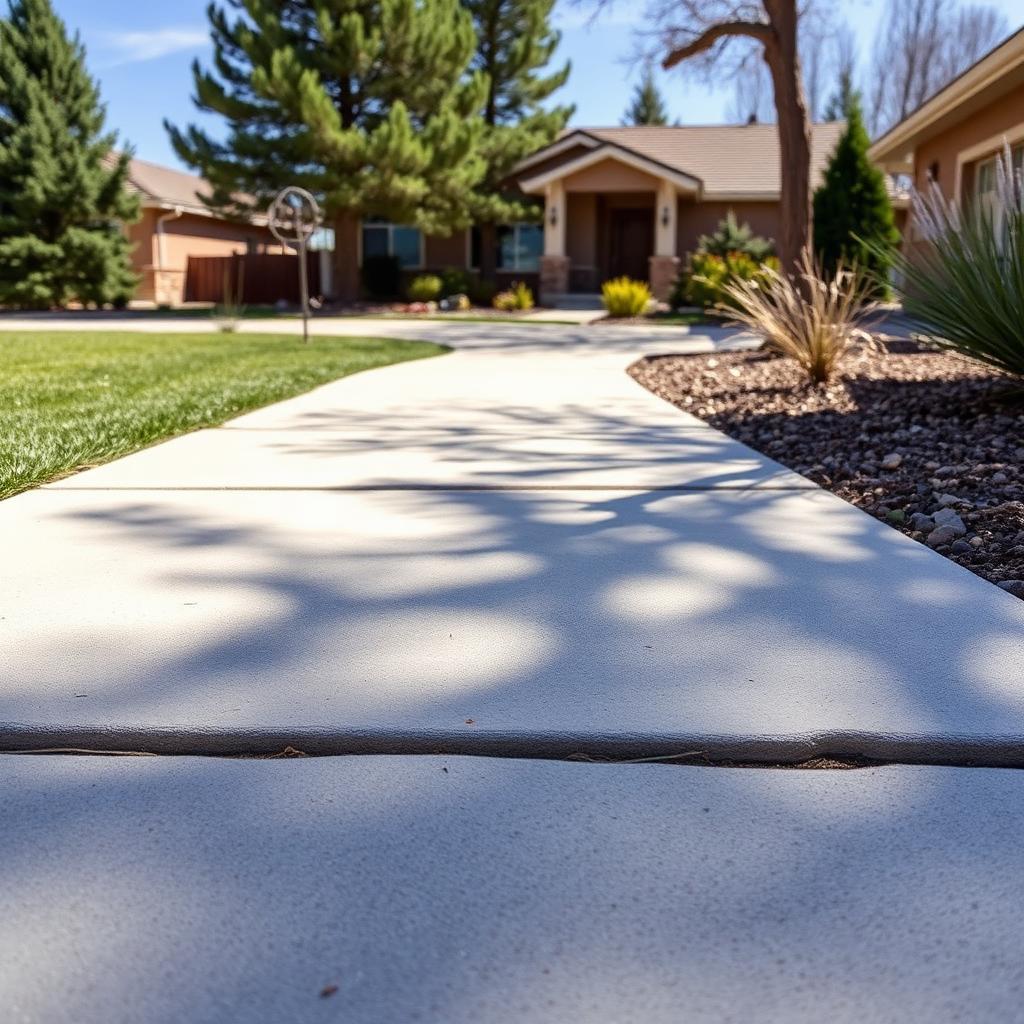
Sidewalks, walking paths, pool decks, entryways, clubhouses, and other common concrete surfaces experience constant use throughout the year. Over time, Colorado Springs' climate and soil conditions can cause these surfaces to settle unevenly.
Routine inspections and proactive maintenance help preserve both safety and curb appeal.
Why Settlement Happens
Concrete settlement often develops because the soil beneath the slab changes over time.
In Colorado Springs, several factors commonly contribute:
- Expansive clay soils
- Freeze-thaw cycles
- Snowmelt
- Summer thunderstorms
- Poor drainage
- Seasonal moisture fluctuations
These conditions may gradually reduce support beneath concrete slabs. Learn more in how poor drainage causes concrete settlement in Colorado Springs.
Common Areas to Inspect
HOA boards and property managers should periodically inspect:
- Community sidewalks
- Walking trails
- Clubhouse entrances
- Mailbox areas
- Pool decks
- Community patios
- Trash enclosure pads
- Playground walkways
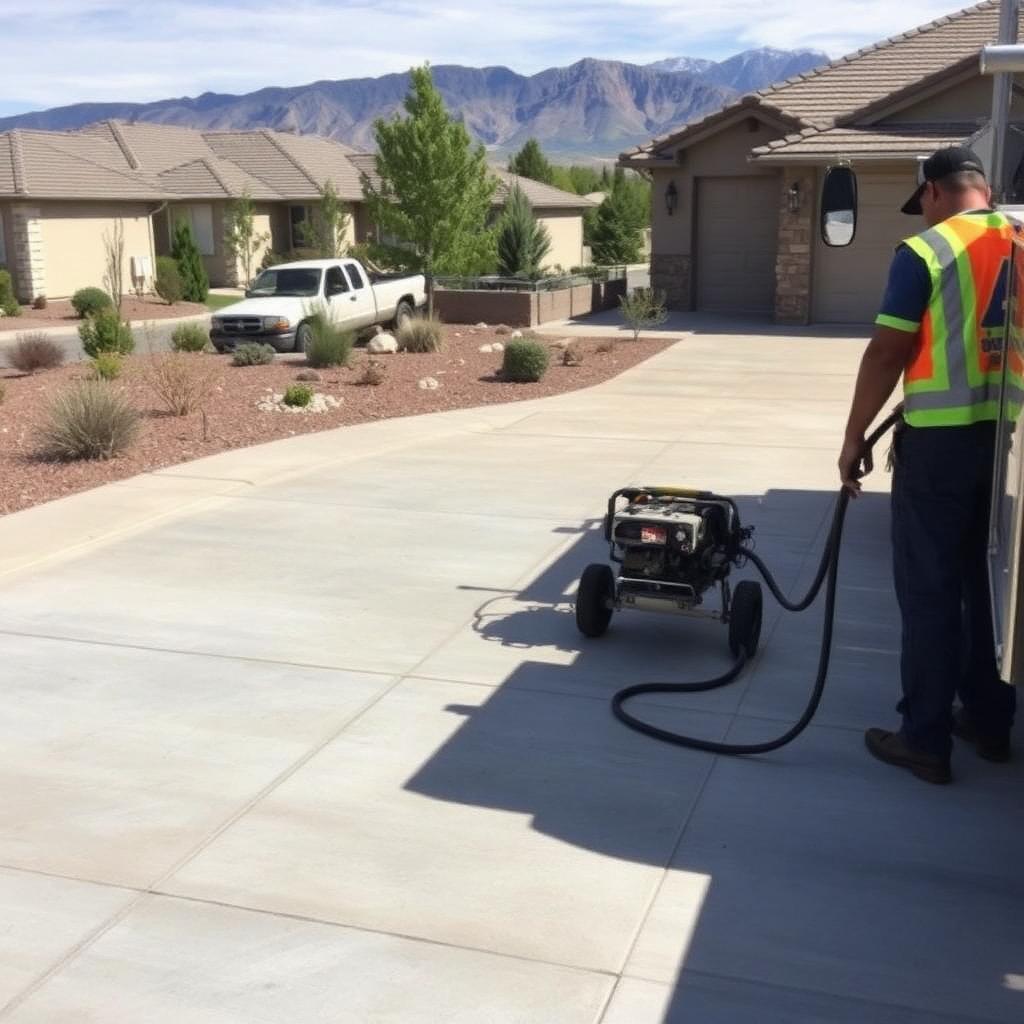
Early detection helps identify issues before they become larger maintenance projects. Settled walkways may benefit from sidewalk leveling, and shared outdoor spaces are often good candidates for patio leveling.
Improving Community Safety
Uneven concrete may create tripping hazards for:
- Residents
- Guests
- Delivery drivers
- Maintenance personnel
- Children using community amenities
Routine inspections help identify areas that deserve closer evaluation. For more on the risks of unaddressed offsets, see sidewalk trip hazard liability.
Planning Preventive Maintenance
Rather than waiting until multiple slabs have settled significantly, many communities choose to include concrete inspections as part of their annual maintenance planning.
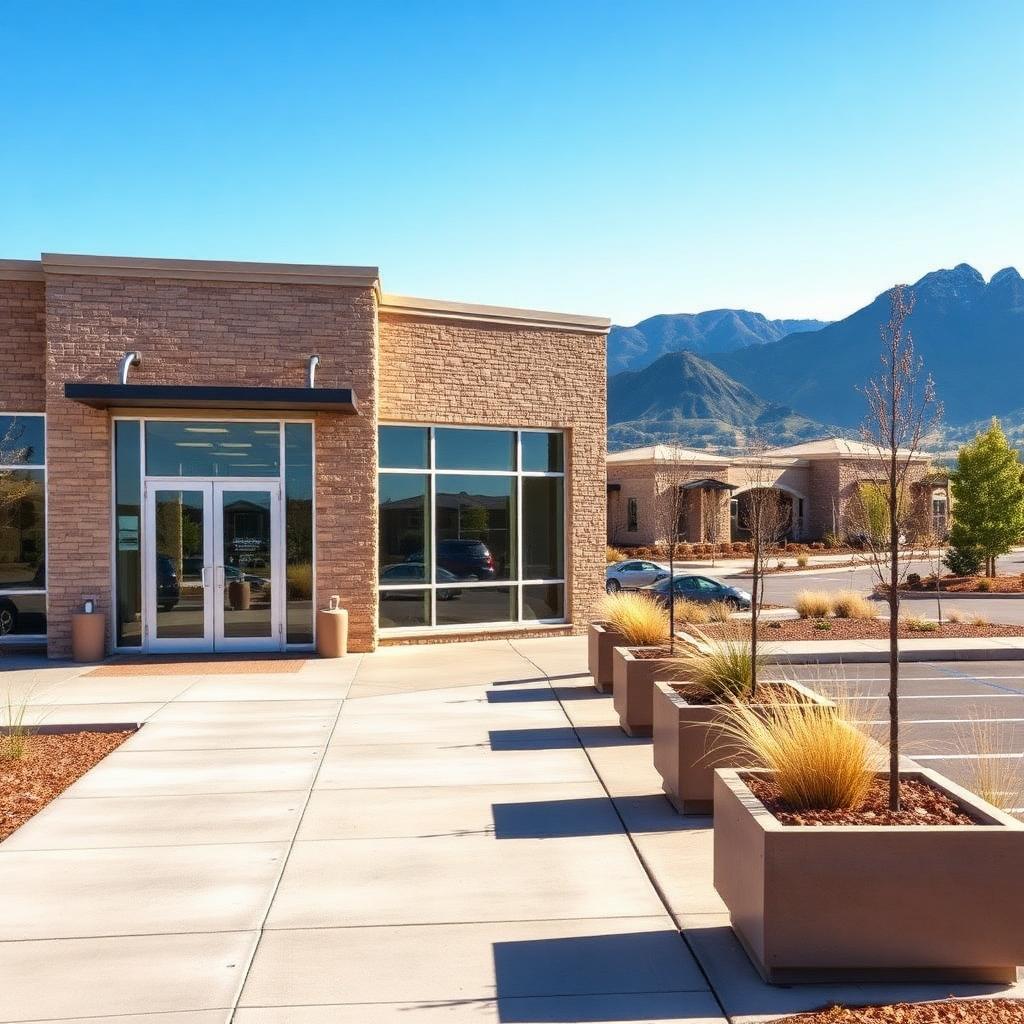
This approach allows maintenance priorities to be identified before more noticeable settlement develops. Larger communities often coordinate ongoing work through commercial concrete leveling.
Why Colorado Springs Communities Should Monitor Concrete
Colorado Springs experiences significant seasonal changes.
Expansive clay soils, freeze-thaw cycles, and changing moisture conditions all contribute to gradual soil movement beneath common concrete surfaces.
Communities that monitor these conditions regularly are often better prepared to address maintenance needs.
Frequently Asked Questions
How often should HOA sidewalks be inspected?
Many communities inspect common concrete areas at least twice each year and after severe weather.
Do all uneven sidewalks require replacement?
No. Many settled slabs remain structurally sound and may be suitable for concrete leveling.
What areas should receive the highest priority?
Walkways with heavy pedestrian traffic, entrances, pool decks, and community gathering areas are often inspected first.
Can regular inspections help reduce future maintenance costs?
Routine inspections can help identify developing issues before they become more extensive.
Final Thoughts
Maintaining safe, attractive common areas benefits every community.
Routine inspections, good drainage practices, and addressing settlement early can help Colorado Springs HOAs preserve sidewalks, walkways, patios, and other shared concrete surfaces for years to come.
Schedule Your Free Estimate
If your HOA or property management team has identified uneven common-area concrete, a professional evaluation can help prioritize repairs.
Call 719-521-2291 or request your free estimate online to discuss your project.