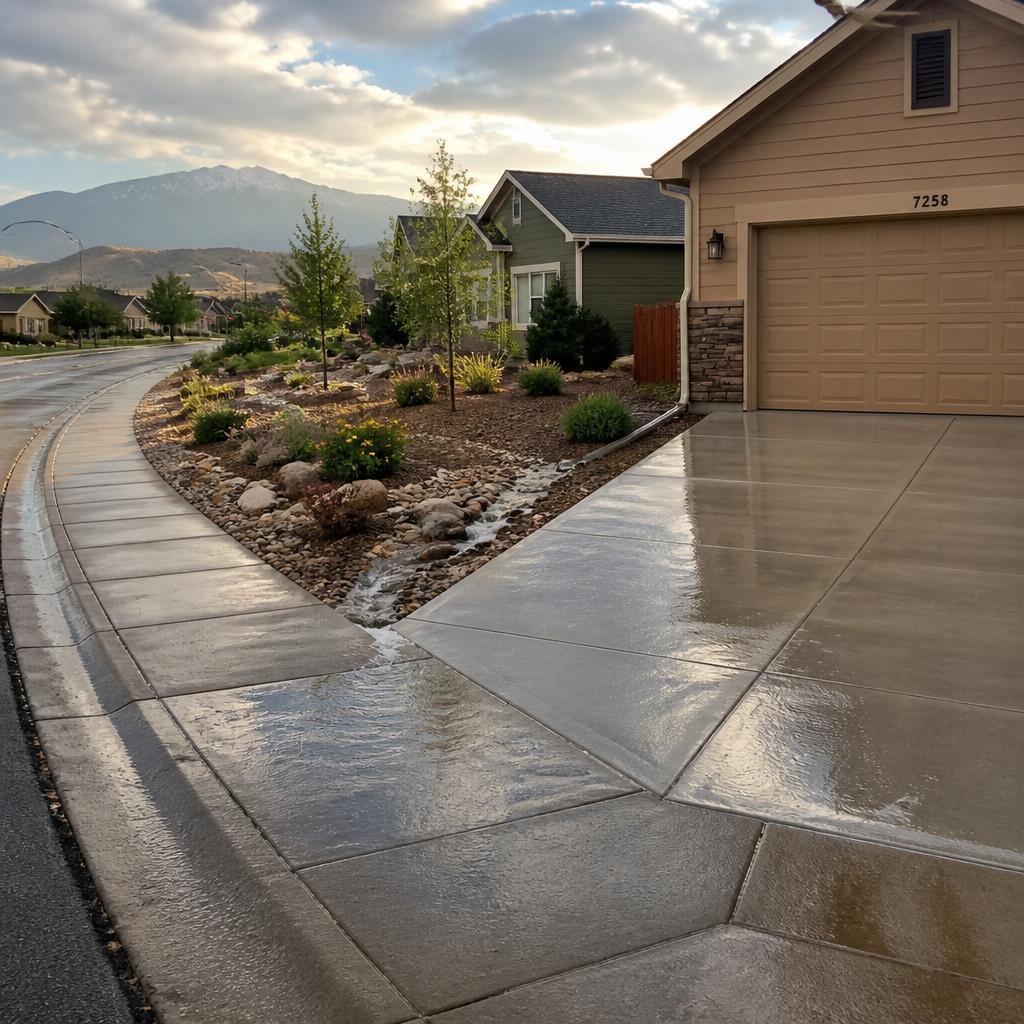
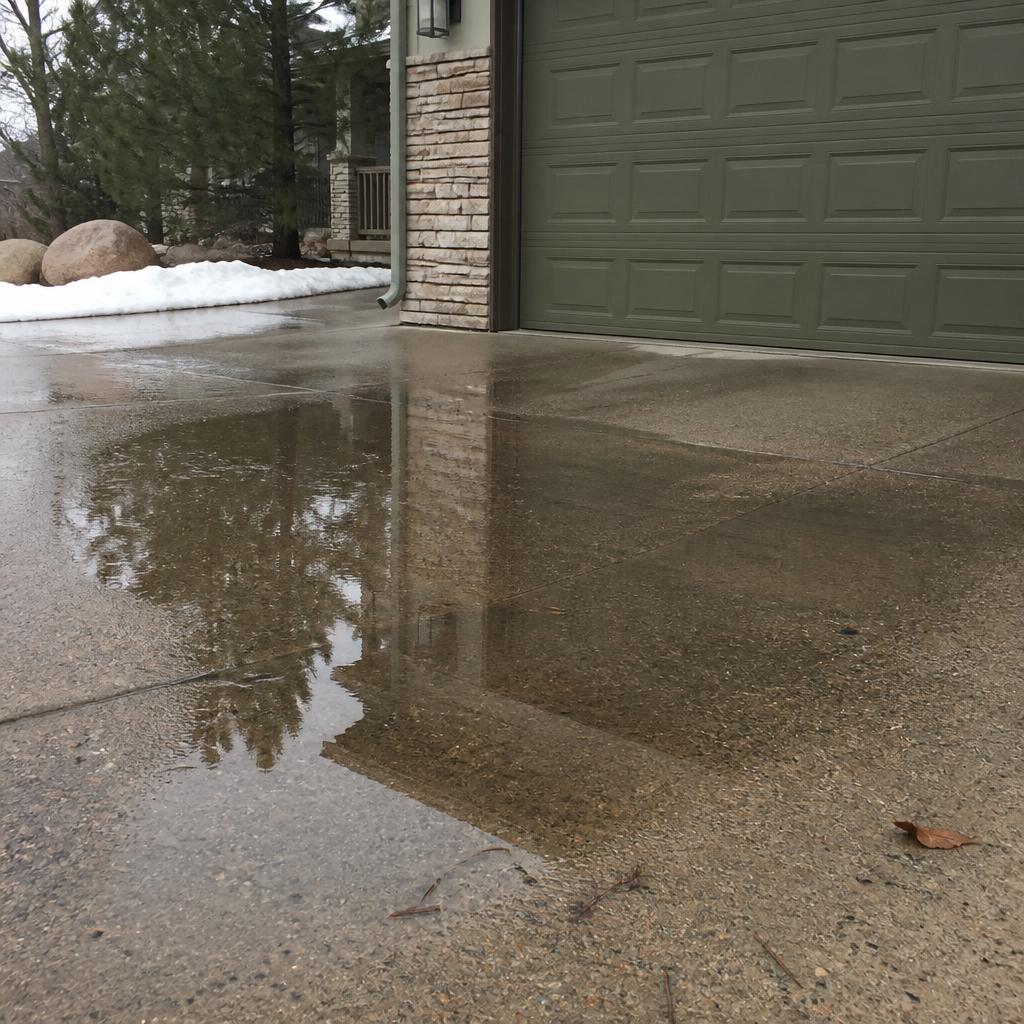
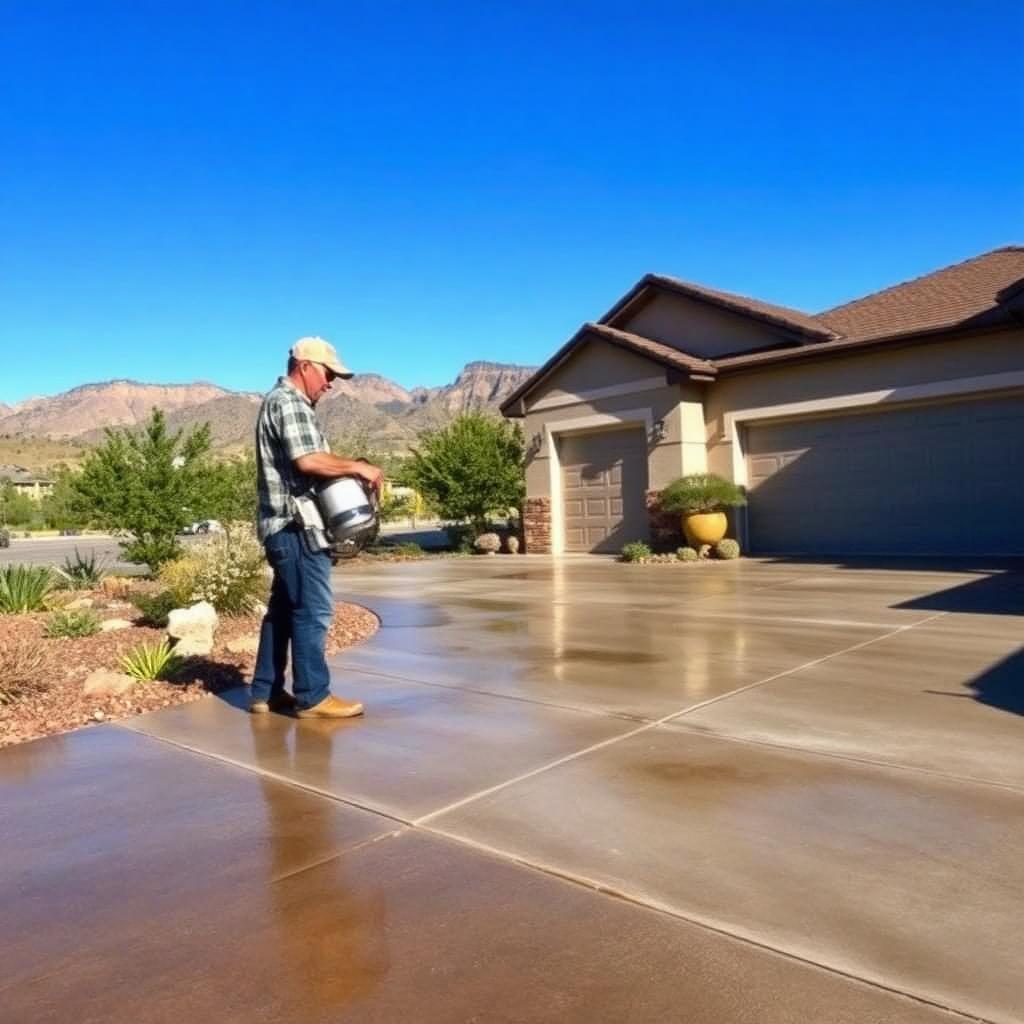
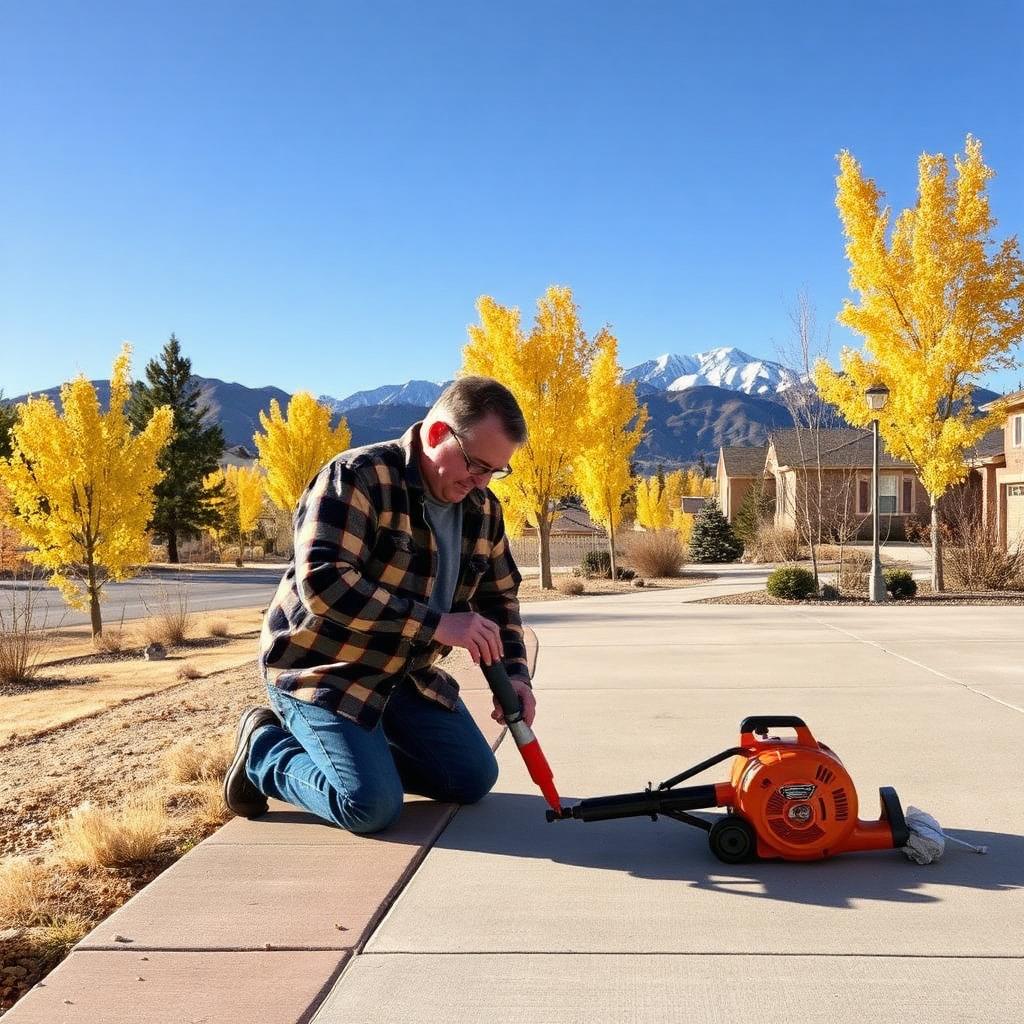
Water that isn't directed away from your home is one of the biggest reasons Colorado Springs driveways, sidewalks, patios, and garage floors settle. Here's how drainage affects the soil beneath your concrete — and the small fixes that help prevent bigger repairs.
Many homeowners focus on the concrete itself when they notice uneven sidewalks or a sinking driveway. In reality, the condition of the soil beneath the concrete is often the bigger issue.
One of the most common contributors to soil movement in Colorado Springs is poor drainage.
Water that isn't directed away from your home and hard surfaces can slowly weaken the soil supporting concrete slabs, increasing the likelihood of settlement over time.
Why Drainage Matters
Concrete is only as stable as the ground beneath it.
When excess water repeatedly saturates the soil, fine particles can shift, compact, or wash into small voids. As the soil dries, those voids may remain, leaving less support beneath the slab.
Over time, sections of concrete can begin to settle unevenly.
Colorado Springs Creates Unique Drainage Challenges
Colorado Springs experiences several conditions that influence drainage throughout the year.
These include:
- Spring snowmelt
- Intense summer thunderstorms
- Dry periods followed by heavy rainfall
- Expansive clay soils
- Sloped lots common throughout the Front Range
Because weather patterns change quickly, water often moves across a property much differently than homeowners expect. For more on how these conditions contribute to settlement, see why concrete sinks in Colorado Springs and how high elevation and freeze-thaw cycles affect long-term slab performance.
Common Sources of Drainage Problems
Many settlement issues begin with relatively small drainage problems.
Examples include:
- Downspouts that discharge next to concrete
- Clogged gutters
- Improper grading
- Landscape beds holding water
- Irrigation overspray
- Pooling water after storms
- Broken sprinkler heads
Addressing these issues early may reduce future movement beneath concrete. In some cases, tree roots near sidewalks and driveways can further complicate how water moves through the soil.
Signs Drainage May Be Affecting Your Property
Look for:
- Water standing beside driveways
- Sidewalks settling near downspouts
- Soil erosion around patios
- Mud collecting along concrete edges
- Gaps forming beneath slabs
- Water flowing toward the foundation
These are all indicators that water may not be draining properly.
Simple Ways to Improve Drainage
Homeowners can often reduce future settlement by:
- Extending downspouts away from slabs
- Cleaning gutters regularly
- Adjusting landscape grading
- Repairing sprinkler leaks
- Filling low areas that collect water
- Monitoring drainage after heavy storms
Small improvements today may help prevent larger repairs in the future.
When Concrete Leveling May Be Needed
If poor drainage has already caused settlement, correcting the drainage problem alone may not restore the concrete.
Polyurethane concrete leveling can often raise and stabilize settled slabs while preserving the existing concrete — whether the affected surface is a driveway, a sidewalk, a patio, or a garage floor.
Addressing both the drainage issue and the settlement provides the best opportunity for long-term performance.
Frequently Asked Questions
Does poor drainage always cause sinking concrete?
Not always, but it is one of the most common contributing factors.
Will fixing drainage automatically level my concrete?
No. Drainage improvements help prevent additional movement, but settled concrete often requires lifting or stabilization.
Should standing water be addressed immediately?
Yes. Persistent standing water can contribute to soil movement and may lead to larger problems if ignored.
Can drainage improvements extend the life of concrete?
Yes. Proper water management helps maintain more stable soil conditions beneath concrete slabs.
Final Thoughts
Colorado Springs' weather and expansive clay soils make proper drainage especially important.
Managing water around your property not only helps protect foundations but can also reduce the likelihood of future concrete settlement, helping your driveways, sidewalks, patios, and garage floors remain safer and more level for years to come.
Schedule Your Free Estimate
If drainage has already affected concrete around your Colorado Springs home, a professional inspection can help you understand your repair options.
Call 719-521-2291 or request your free estimate online to discuss your project.