Homes, HOAs, offices, and commercial properties along the Front Range often need different concrete leveling approaches. Here is how scope, access, scheduling, and safety concerns typically differ between residential and commercial projects.
"Concrete leveling" describes the same core idea in both settings: raising or stabilizing settled slabs without full demolition. But a residential driveway, a small office walkway, and an HOA common-area sidewalk are not the same project, and treating them the same is a common mistake.
This guide walks Colorado Springs property owners and managers through the main ways residential and commercial concrete leveling projects tend to differ, so you can better plan an evaluation, budget conversation, and repair timeline.
Scope and Slab Types
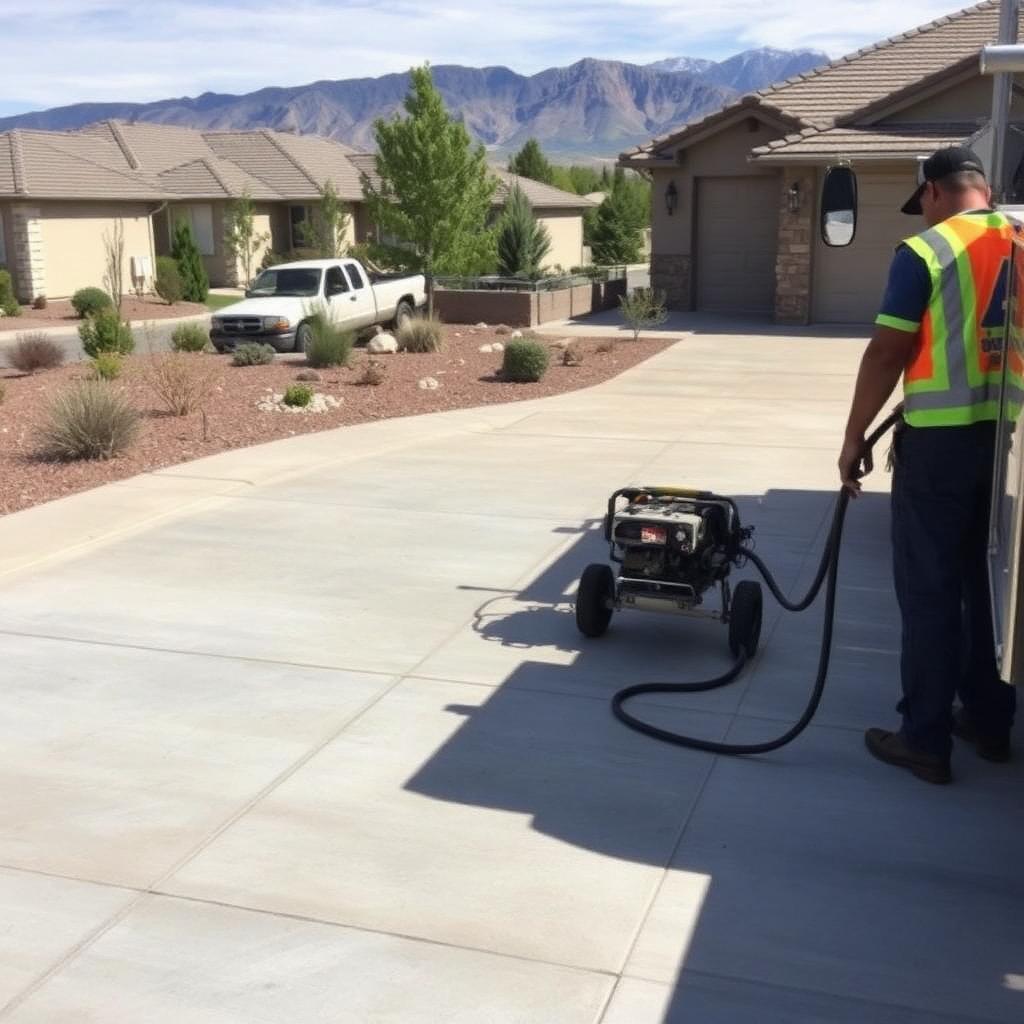
Residential work usually involves driveways, front walkways, garage floors, patios, and pool decks. Slabs are generally thinner, spans are smaller, and the failure pattern is often localized — one settled panel, one edge dropping toward a downspout, or a garage apron that has drifted from the foundation.
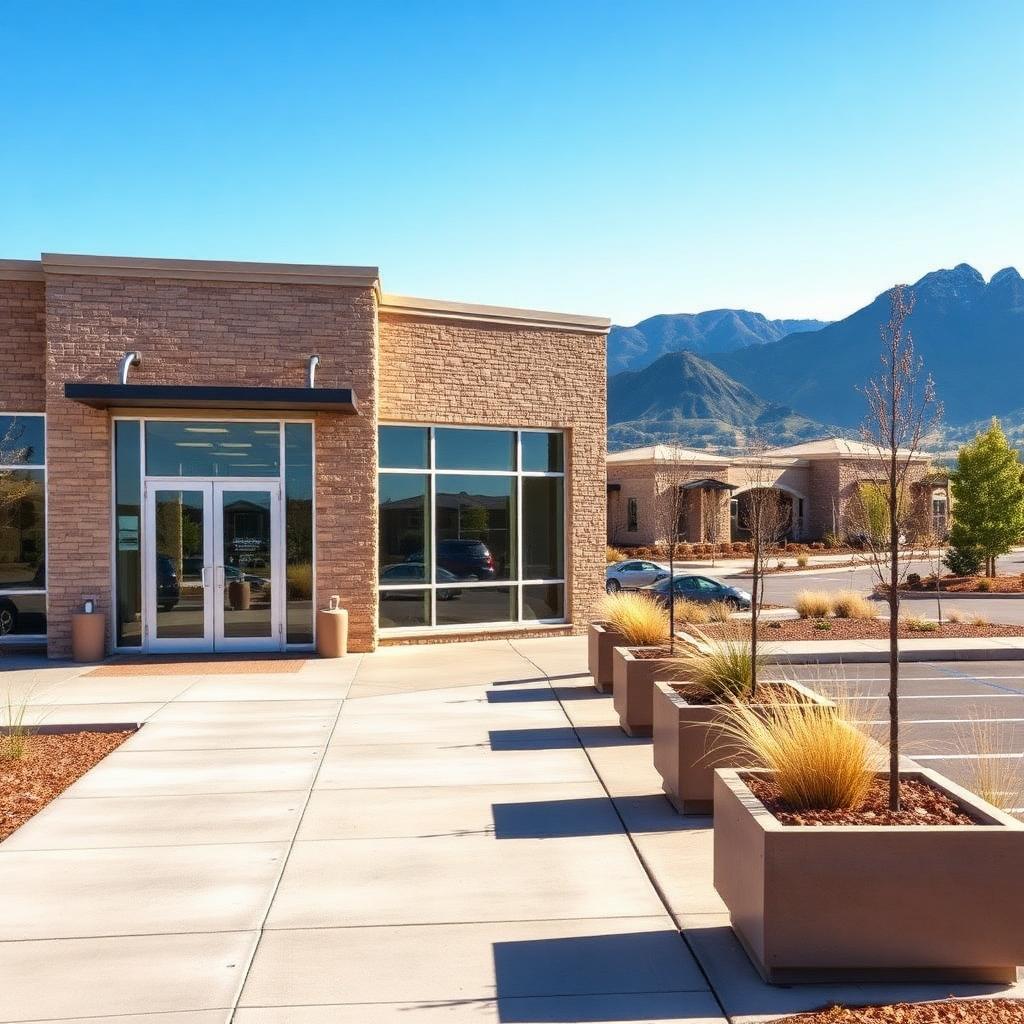
Commercial and multi-family work tends to involve longer runs of sidewalk, ADA-adjacent access routes, entryways with heavy foot traffic, warehouse or shop floors, dock aprons, and shared community areas. Slabs may be thicker, reinforcement may differ, and the number of adjacent panels involved is often larger.
Access and Site Conditions
Residential projects usually have straightforward access — a driveway, a side yard, or a back patio. Coordinating with the homeowner about vehicle movement, pets, and irrigation is typically enough.
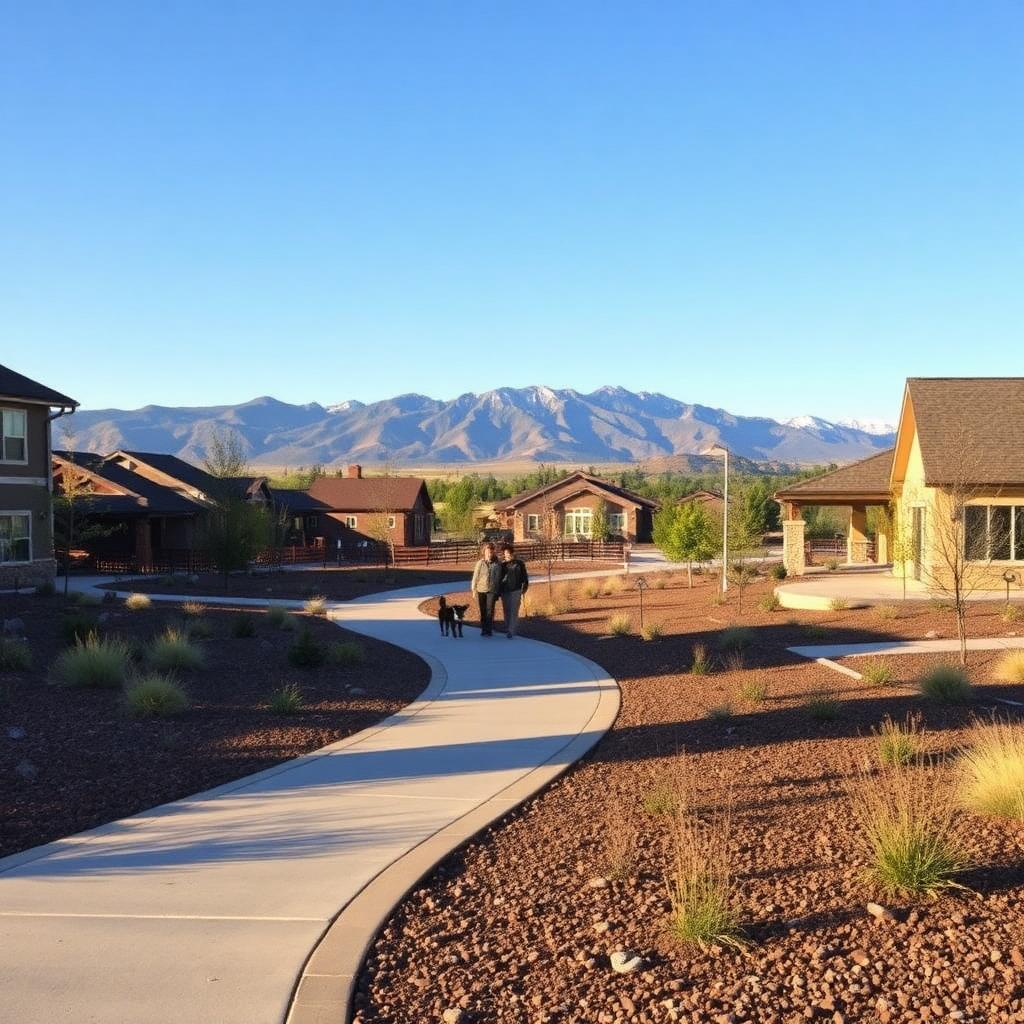
Commercial projects along the Front Range regularly involve parking lot logistics, deliveries, tenant traffic, and business hours. In HOA communities, notification of residents, temporary walking routes, and coordination with landscaping crews often become part of planning.
Scheduling and Downtime
Most homeowners can flex their day around a leveling appointment. Commercial and multi-family clients often cannot. Work may need to happen in phased sections, early mornings, off-hours, or in a way that keeps at least part of the walkway or lot open. Understanding the constraints early usually leads to a cleaner project.
Safety, Liability, and Documentation
For residential clients, safety concerns are mostly about family members, guests, and pets during and after the appointment. For commercial and HOA clients, uneven concrete can also raise liability considerations tied to visitors, employees, and residents. Written documentation of what was addressed, what was recommended for later, and any before/after references becomes more important.
Long-Term Maintenance Planning
Residential owners tend to plan maintenance one project at a time, often around visible issues. Commercial and community properties benefit from a longer view — walking the property on a schedule, tracking areas that are beginning to move, and prioritizing repairs before they become safety concerns. That kind of proactive planning tends to reduce total lifetime cost.
How to Choose the Right Approach for Your Property
- Start with a clear description of the affected areas and any safety concerns.
- Note any recent changes — drainage, landscaping, irrigation, roof/gutter work.
- Share access constraints, business hours, or HOA rules that could affect scheduling.
- Ask for a written scope that identifies which slabs are included and what is not.
- Discuss what maintenance or drainage adjustments could help protect the repair.
Related reading: When Should Businesses Repair Uneven Sidewalks in Colorado Springs and How HOA Communities Can Manage Uneven Sidewalks and Common Areas.
For a residential estimate, visit Contact. Commercial and community property owners can also reach out through our commercial concrete leveling page.