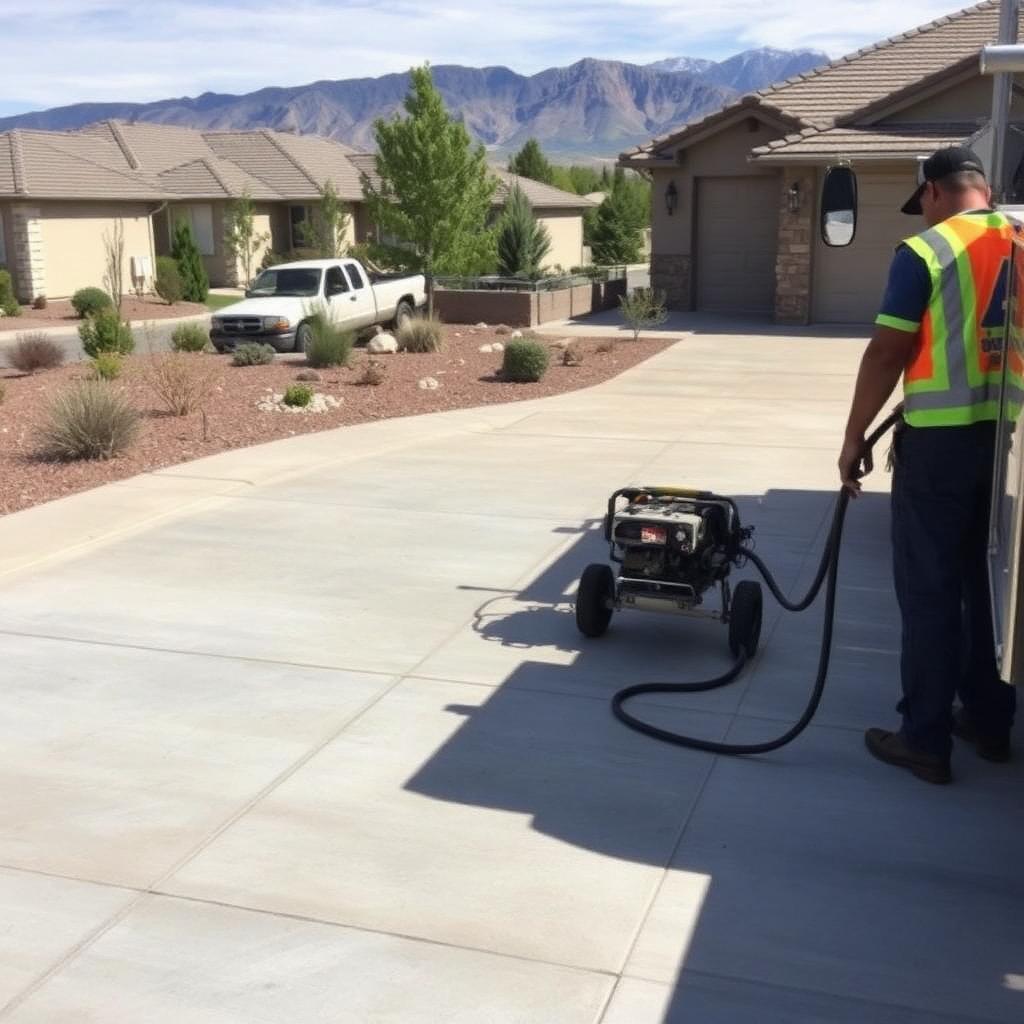
Not every crack calls for repair, but certain warning signs suggest it's time for a professional look. Here are five common indicators that Colorado Springs homeowners should schedule a concrete evaluation.
Concrete settlement often develops slowly, making it easy to overlook until it becomes more noticeable. While not every crack or uneven surface requires immediate repair, there are certain warning signs that indicate it may be time for a professional evaluation.
For Colorado Springs homeowners, recognizing these signs early can help prevent small issues from becoming larger concerns.
1. Water Is Collecting Where It Never Did Before
If rainwater or snowmelt suddenly begins pooling on your driveway, patio, or sidewalk, it may indicate that the concrete has settled.
Changes in drainage are often one of the earliest indicators that the slab has shifted. Learn more in how poor drainage causes concrete settlement in Colorado Springs.
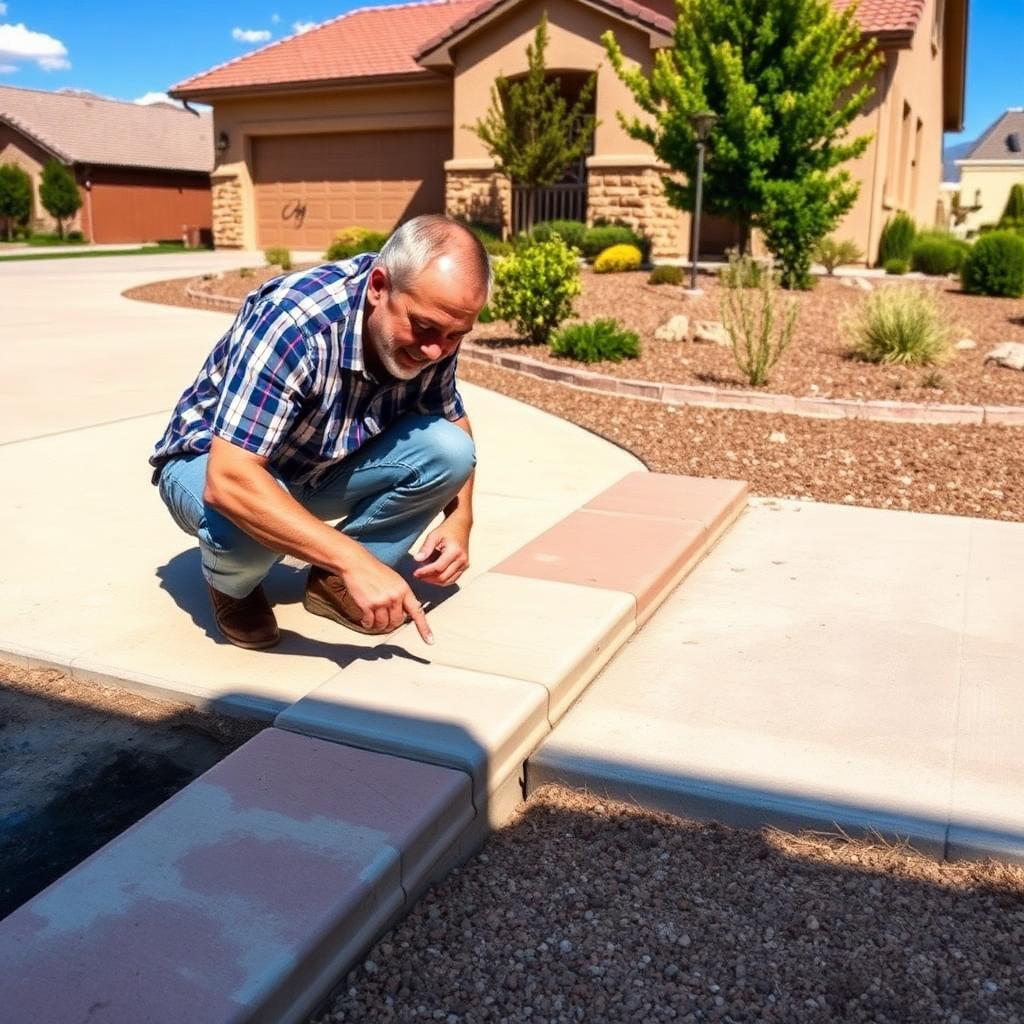
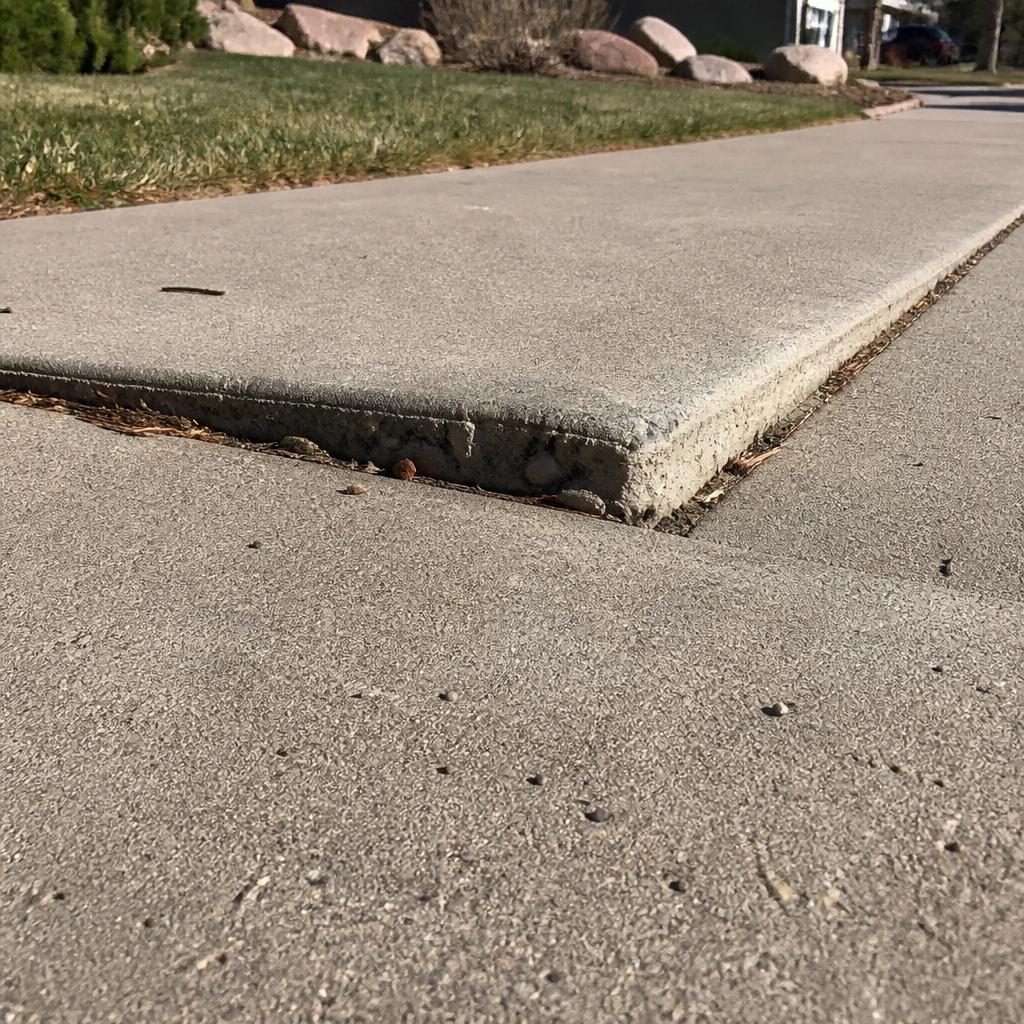
2. You Notice Uneven Walking Surfaces
Even a small height difference between concrete slabs can become a trip hazard.
Walk around your property and pay attention to:
- Sidewalk joints
- Front entry walkways
- Patio transitions
- Garage entrances
Noticeable offsets on walkways are often corrected with sidewalk leveling, while shifted outdoor spaces may benefit from patio leveling.
3. Cracks Continue to Grow
Some concrete cracks remain unchanged for years.
Others gradually widen or become more noticeable as the supporting soil moves.
If cracks continue changing over time, they deserve closer attention — particularly on driveways and garage floors that carry vehicle weight.
4. Doors, Gates, or Fences No Longer Align
Settlement doesn't always affect only the concrete itself.
Changing elevations around your property may cause nearby gates, fences, or exterior doors to appear slightly out of alignment.
While many factors can contribute to these issues, they are worth observing.
5. The Problem Looks Worse Each Season
Colorado Springs experiences:
- Freeze-thaw cycles
- Snowmelt
- Expansive clay soils
- Summer thunderstorms
These seasonal conditions may gradually contribute to additional movement beneath concrete. Learn more in why concrete sinks in Colorado Springs.
If settlement becomes more noticeable from one year to the next, an evaluation can help determine the underlying cause. Our spring concrete inspection checklist walks through what to look for after each winter.
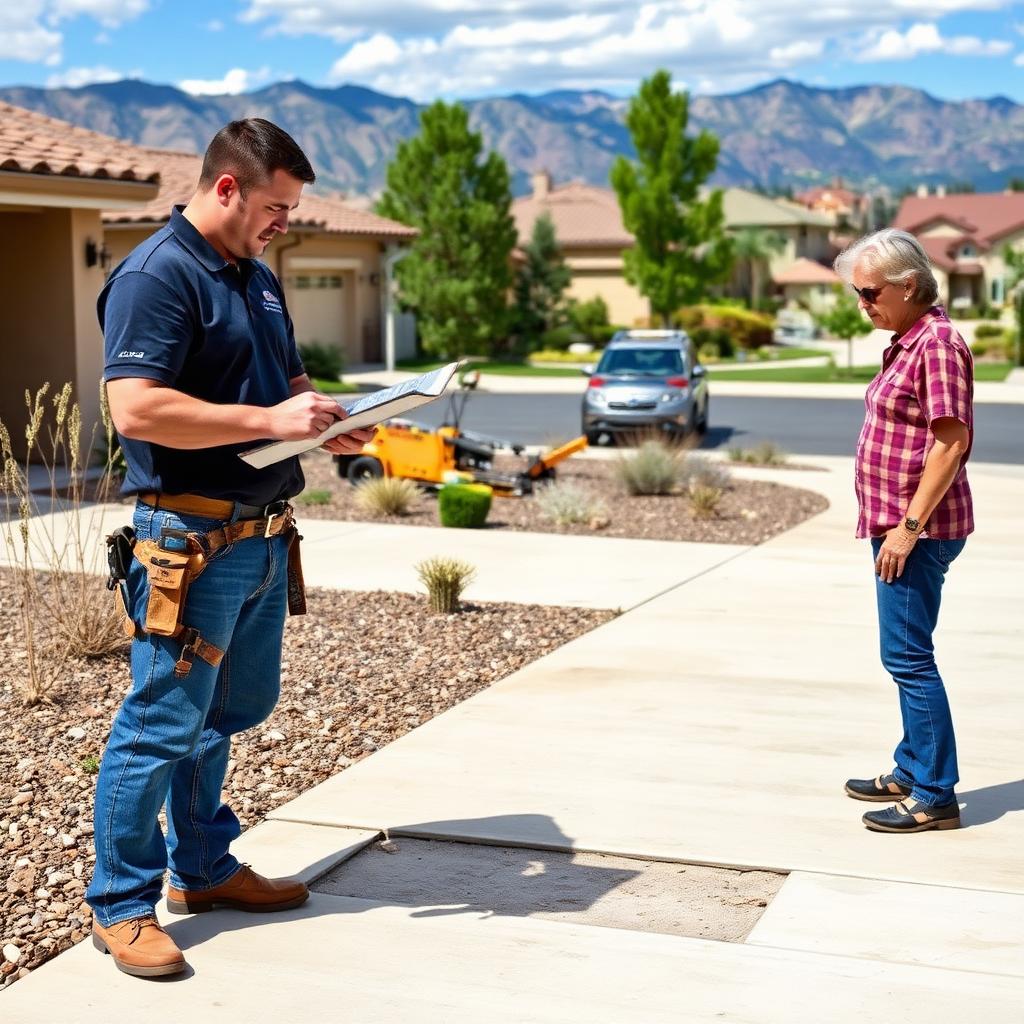
What Happens During an Evaluation?
A professional evaluation typically includes:
- Visual inspection
- Identification of settlement patterns
- Review of drainage conditions
- Discussion of possible repair options
Not every property requires the same solution, making a thorough assessment an important first step before deciding whether concrete leveling is the right approach.
Frequently Asked Questions
Does every uneven slab require repair?
No. Some settlement is cosmetic, while other situations may create safety concerns or drainage issues.
Is an evaluation the same as committing to repairs?
No. An evaluation helps homeowners understand the condition of their concrete and available options.
Can drainage contribute to settlement?
Yes. Water management plays an important role in maintaining stable soil beneath concrete.
Should I wait until the problem becomes larger?
Settlement often progresses over time, making early evaluation worthwhile.
Final Thoughts
Recognizing the early signs of concrete settlement allows homeowners to make informed decisions before problems become more significant.
Whether the issue is minor or more advanced, understanding what's happening beneath your concrete is the first step toward protecting your property.
Schedule Your Free Estimate
If you've noticed any of these signs around your Colorado Springs home, a professional evaluation can help clarify what's happening and what your options are.
Call 719-521-2291 or request your free estimate online to discuss your project.