A 15 to 20 minute spring walkthrough can reveal early signs of settlement, drainage issues, and trip hazards after a Colorado Springs winter. Use this checklist to inspect your driveway, sidewalks, patio, garage floor, and drainage before small problems grow.
Winter can be tough on concrete in Colorado Springs. Snow, ice, freeze-thaw cycles, and spring snowmelt all affect the soil beneath driveways, sidewalks, patios, and garage floors.
A quick inspection each spring can help homeowners identify small problems before they become larger repairs.
The following checklist only takes about 15 to 20 minutes to complete.
✔ Driveway
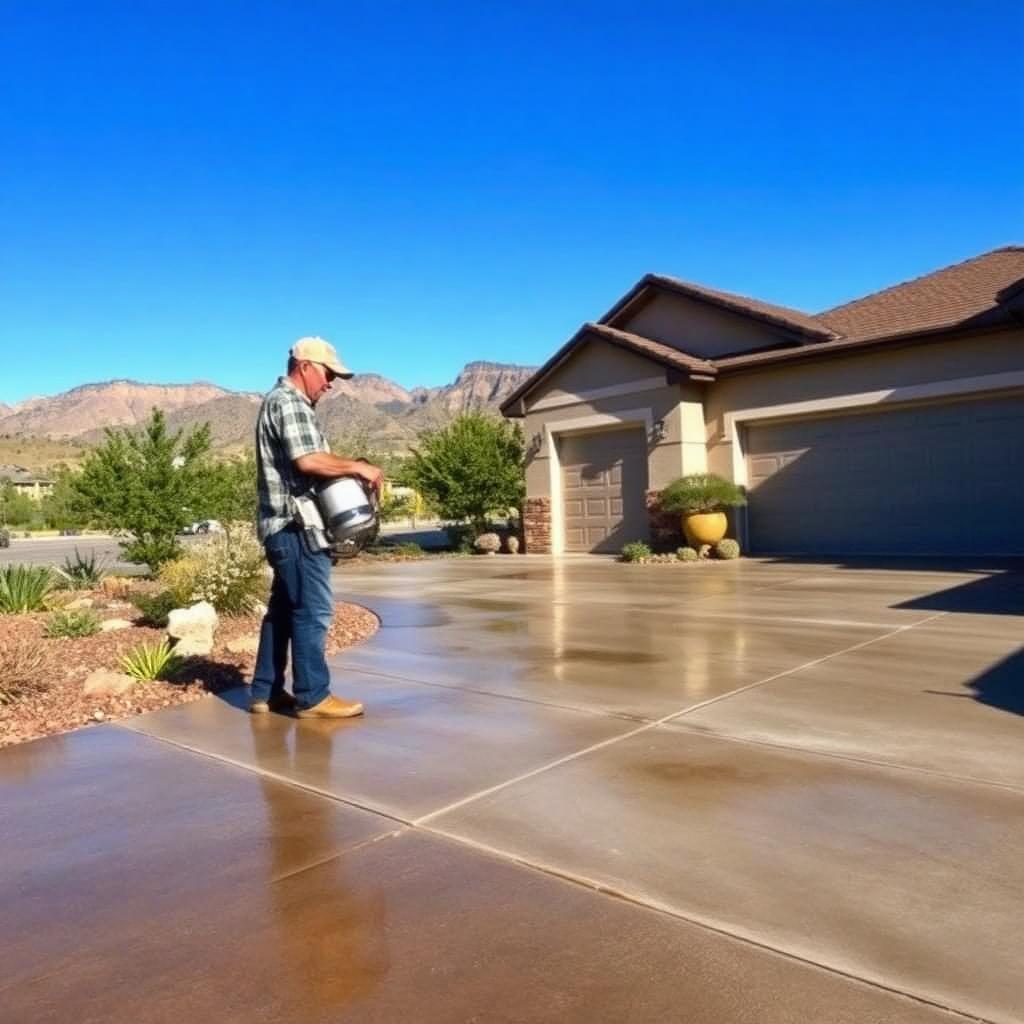
Walk your driveway and look for:
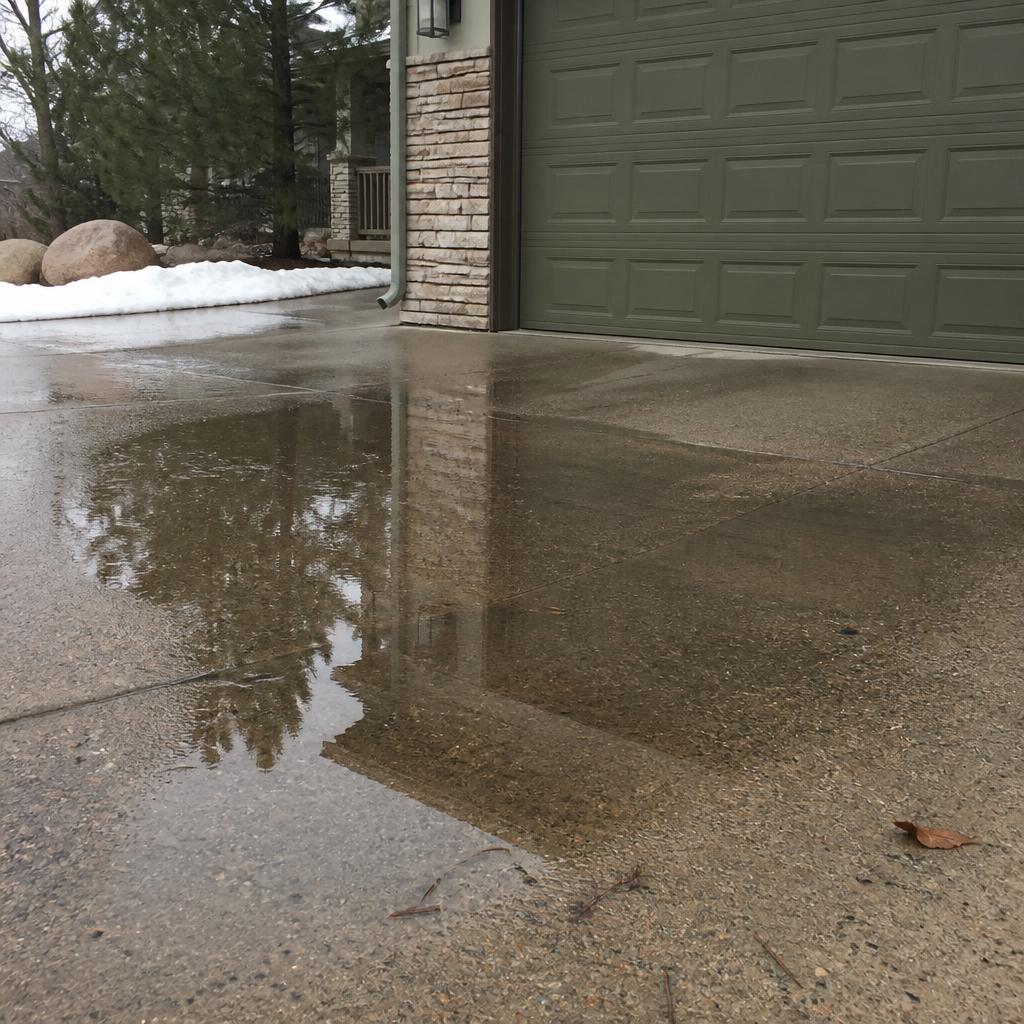
- Low spots where water collects
- New cracks or widening cracks
- Uneven slab joints
- Edges beginning to settle
- Standing water after snowmelt
Consistent settlement is often a good candidate for driveway leveling.
✔ Sidewalks and Walkways
Inspect every sidewalk leading to your home.
Look for:
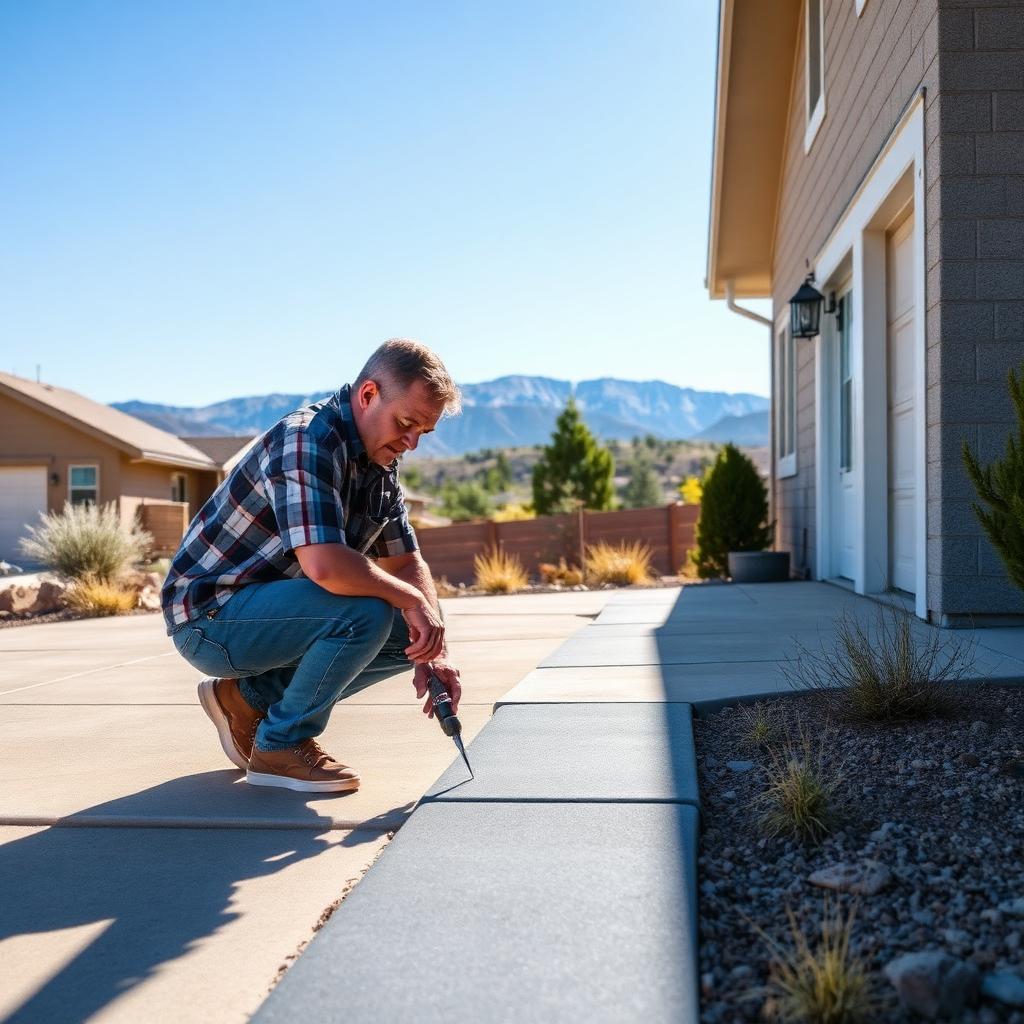
- Raised or sunken slabs
- Trip hazards
- Cracking
- Water pooling
- Areas becoming uneven near landscaping
Noticeable offsets can often be corrected with sidewalk leveling.
✔ Patio
Check your patio for:
- Furniture no longer sitting level
- Water collecting after rain
- Gaps near the home's foundation
- Slabs separating
- Surface cracking
If your outdoor space has started to shift, patio leveling can help restore a usable surface.
✔ Garage Floor
Inspect for:
- Cracks near the garage door
- Water entering beneath the door
- Uneven floor surfaces
- Expansion joint movement
When floor movement becomes obvious, garage floor leveling is often a practical alternative to replacement.
✔ Drainage
After a spring rain, observe:
- Downspouts
- Standing water
- Soil erosion
- Washed-out mulch
- Areas where water flows toward concrete
Good drainage is one of the best ways to reduce future settlement. Read more in how poor drainage causes concrete settlement in Colorado Springs.
✔ Landscaping
Look for:
- Tree roots approaching sidewalks
- Exposed roots
- Irrigation overspray
- Soil pulling away from slabs
- Low areas collecting water
✔ Expansion Joints
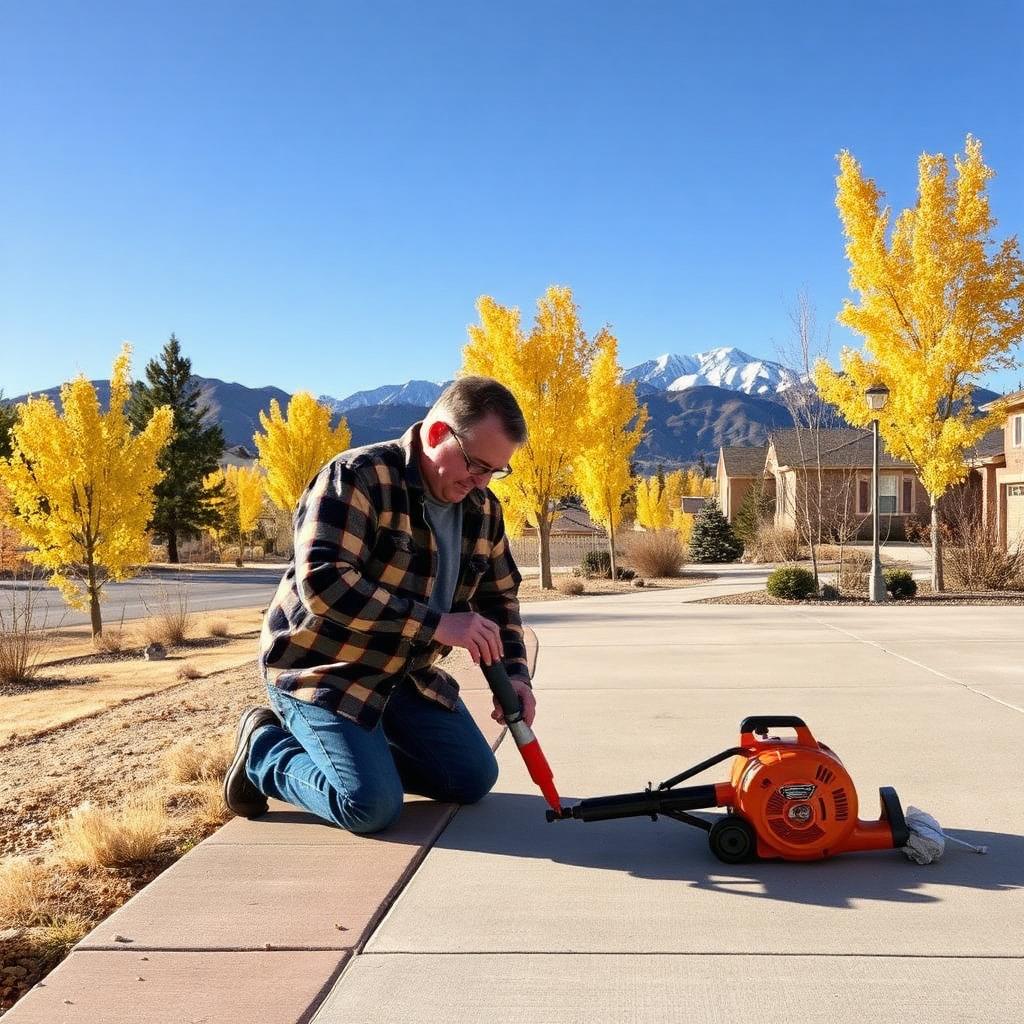
Check whether joints are:
- Clean
- Intact
- Free of weeds
- Properly sealed
Maintaining joints helps water move where it should instead of beneath the concrete. Repeated freeze-thaw cycles at higher elevation can widen unsealed joints over time.
✔ Safety Walk
Finally, walk the property as though you were a visitor.
Notice whether:
- Any slab catches your foot
- Steps feel uneven
- Sidewalk transitions are smooth
- Walkways remain level
Small changes are often easiest to notice during a dedicated inspection, and early concrete leveling usually offers the widest range of repair options.
Frequently Asked Questions
How often should I inspect my concrete?
Spring and fall are excellent times for a complete inspection.
Should I inspect after every winter?
Yes. Freeze-thaw cycles often reveal new settlement that wasn't noticeable the previous year.
Does standing water always indicate settlement?
Not always, but it is a good reason to investigate drainage and slab elevation.
Can early inspections reduce repair costs?
Identifying problems sooner often provides more repair options before settlement becomes more severe.
Final Thoughts
Routine inspections are one of the simplest ways to protect your investment.
By spending just a few minutes each spring checking your concrete, Colorado Springs homeowners can identify potential problems early and keep driveways, sidewalks, patios, and garage floors in better condition for years to come.
Schedule Your Free Estimate
If your spring inspection revealed uneven concrete or drainage concerns, a professional evaluation can help you understand your repair options.
Call 719-521-2291 or request your free estimate online to discuss your project.