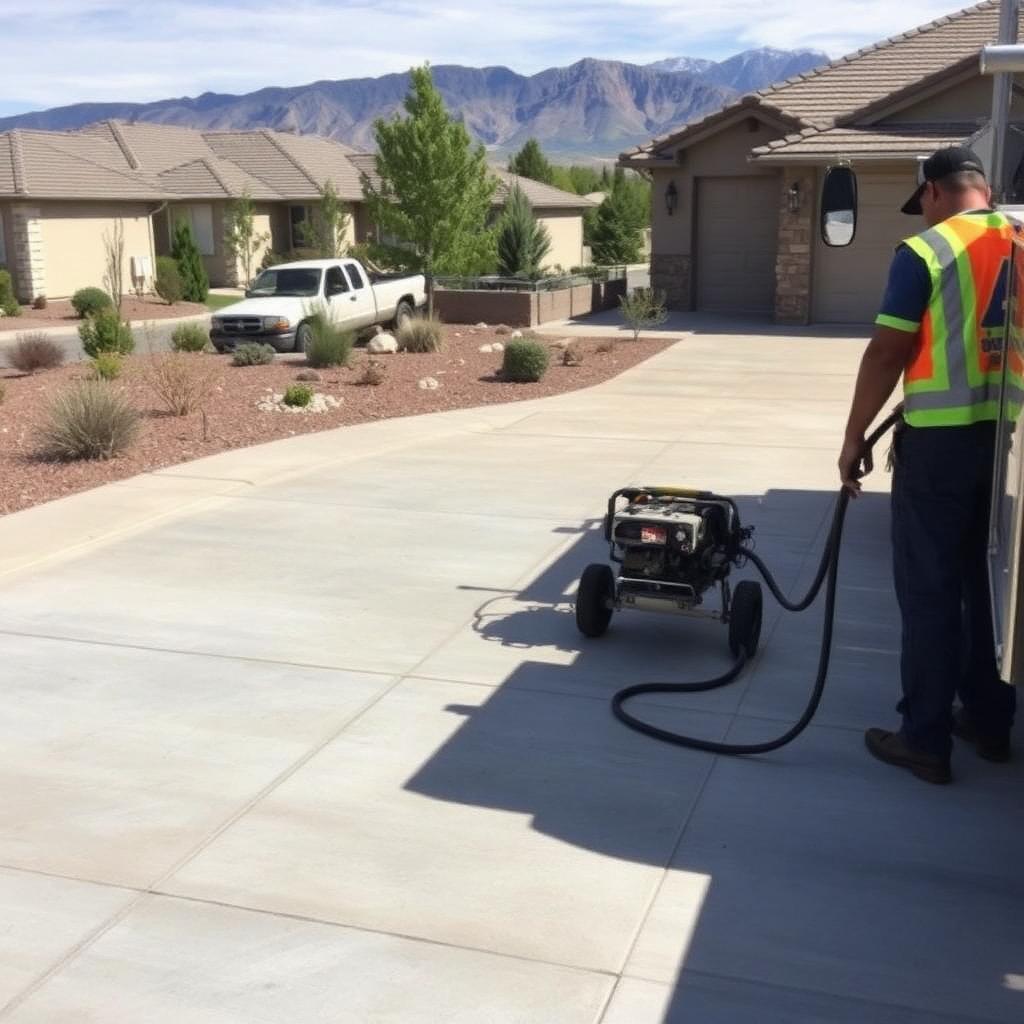
Concrete leveling is often misunderstood. Here are seven of the most common myths Colorado Springs homeowners still hear about uneven concrete — and the facts behind how settlement actually happens and how it can be repaired.
Concrete leveling has become an increasingly popular solution for uneven driveways, sidewalks, patios, and garage floors. Despite that, many homeowners still believe outdated information about how concrete settlement occurs and how it can be repaired.
Let's look at some of the most common myths.
Myth #1: Uneven Concrete Always Needs Replacement
**Fact:**
Many settled slabs remain structurally sound.
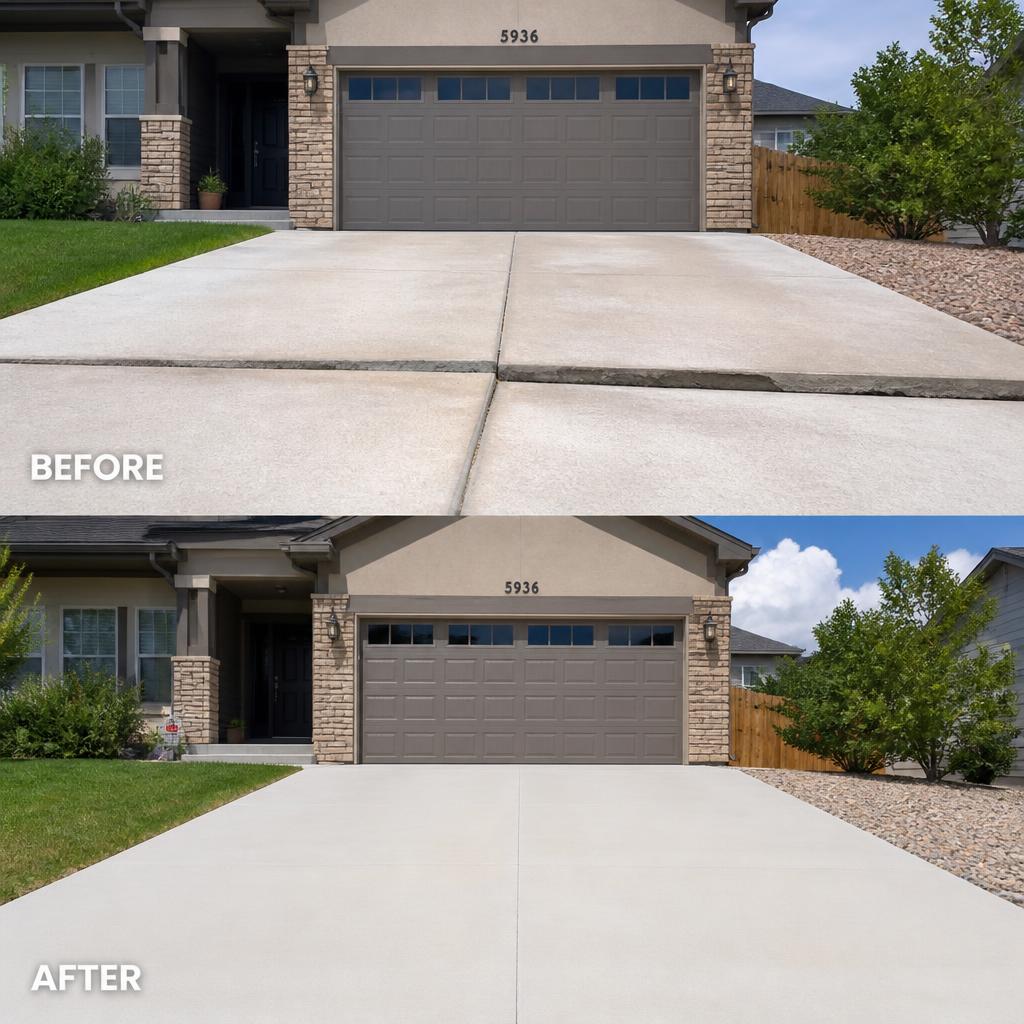
When the concrete itself is still in good condition, polyurethane concrete leveling can often restore the slab without demolition or replacement. This is often the case with settled driveways and sidewalks.
Myth #2: Concrete Settlement Stops on Its Own
**Fact:**
Settlement usually progresses gradually.
Colorado Springs' expansive clay soils, seasonal moisture changes, freeze-thaw cycles, and drainage conditions may continue affecting the soil beneath concrete over time. Learn more in why concrete sinks in Colorado Springs.
Myth #3: Small Trip Hazards Aren't a Big Deal
**Fact:**
Even relatively small height differences can become safety hazards.
Addressing uneven concrete early may help improve safety while preventing additional settlement.
Myth #4: Tree Roots Are Always the Cause
**Fact:**
Tree roots sometimes contribute to movement, but in Colorado Springs the most common causes include:
- Expansive clay soils
- Moisture changes
- Drainage
- Freeze-thaw cycles
Tree roots are often only one part of the overall picture. Read more in can tree roots cause concrete to sink in Colorado Springs and how poor drainage causes concrete settlement in Colorado Springs.
Myth #5: Concrete Leveling Is Only for Driveways
**Fact:**
Concrete leveling can often be used on:
- Sidewalks
- Patios
- Garage floors
- Pool decks
- Steps
- Commercial walkways
- Warehouse floors
Myth #6: All Concrete Cracks Mean the Slab Must Be Replaced
**Fact:**
Some cracks are cosmetic.
If the slab remains structurally sound, leveling may still be an appropriate repair option.
Myth #7: Waiting Usually Saves Money
**Fact:**
Settlement rarely becomes less noticeable over time.
Addressing drainage issues and correcting settlement earlier may help preserve the existing concrete and reduce the likelihood of more extensive repairs later.
Frequently Asked Questions
Is concrete leveling a permanent repair?
Every property is different, but professionally installed polyurethane concrete leveling is designed to provide long-lasting support.
Does leveling damage landscaping?
Most projects require only small access holes and generally create minimal disruption compared to replacement.
Is replacement ever necessary?
Yes. If concrete is severely damaged or structurally compromised, replacement may be the better option.
Is settlement common in Colorado Springs?
Yes. The region's expansive clay soils and seasonal weather patterns make concrete settlement relatively common.
Final Thoughts
Many homeowners delay repairs because they have heard outdated or inaccurate information about concrete leveling.
Understanding what actually causes settlement—and the repair options available—can help you make informed decisions that protect both your property and your investment.
Schedule Your Free Estimate
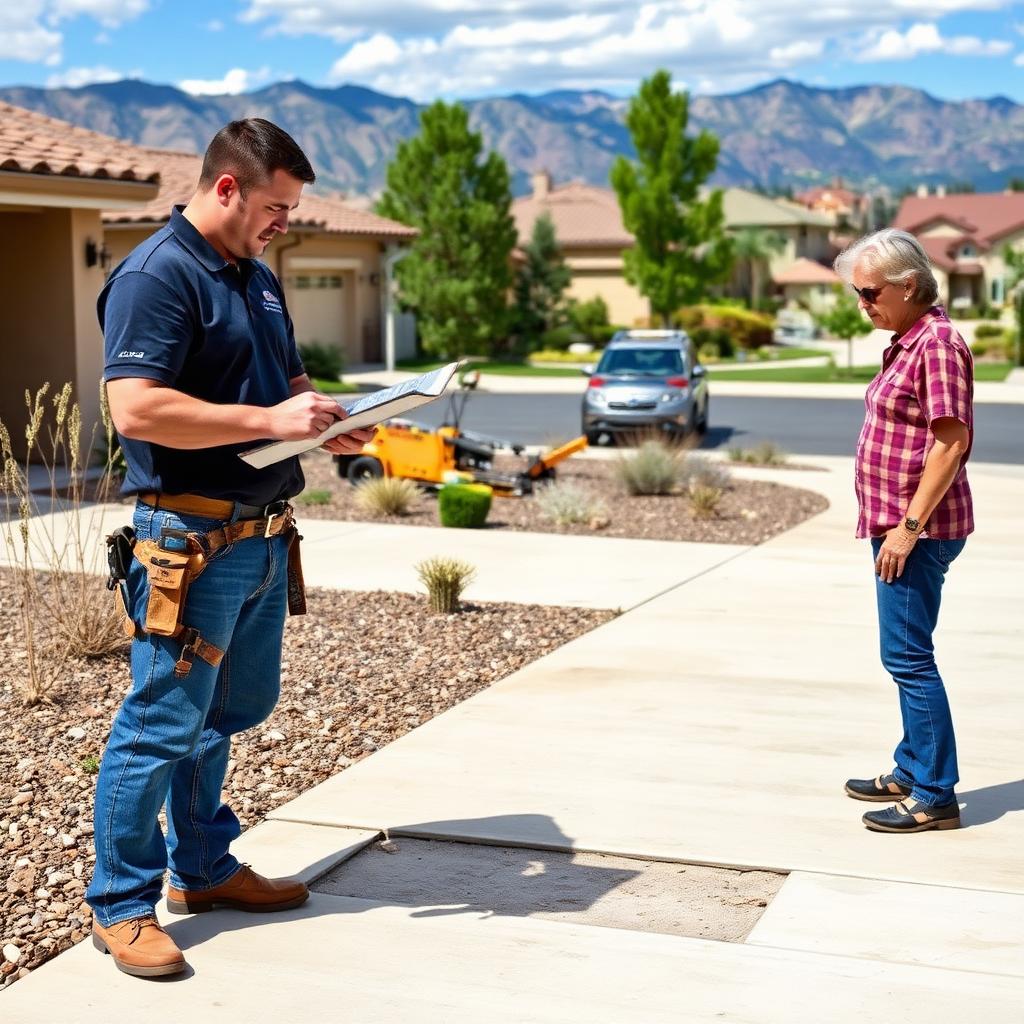
If you're weighing repair options for uneven concrete around your Colorado Springs home, a professional evaluation can help separate fact from fiction for your specific slab.
Call 719-521-2291 or request your free estimate online to discuss your project.