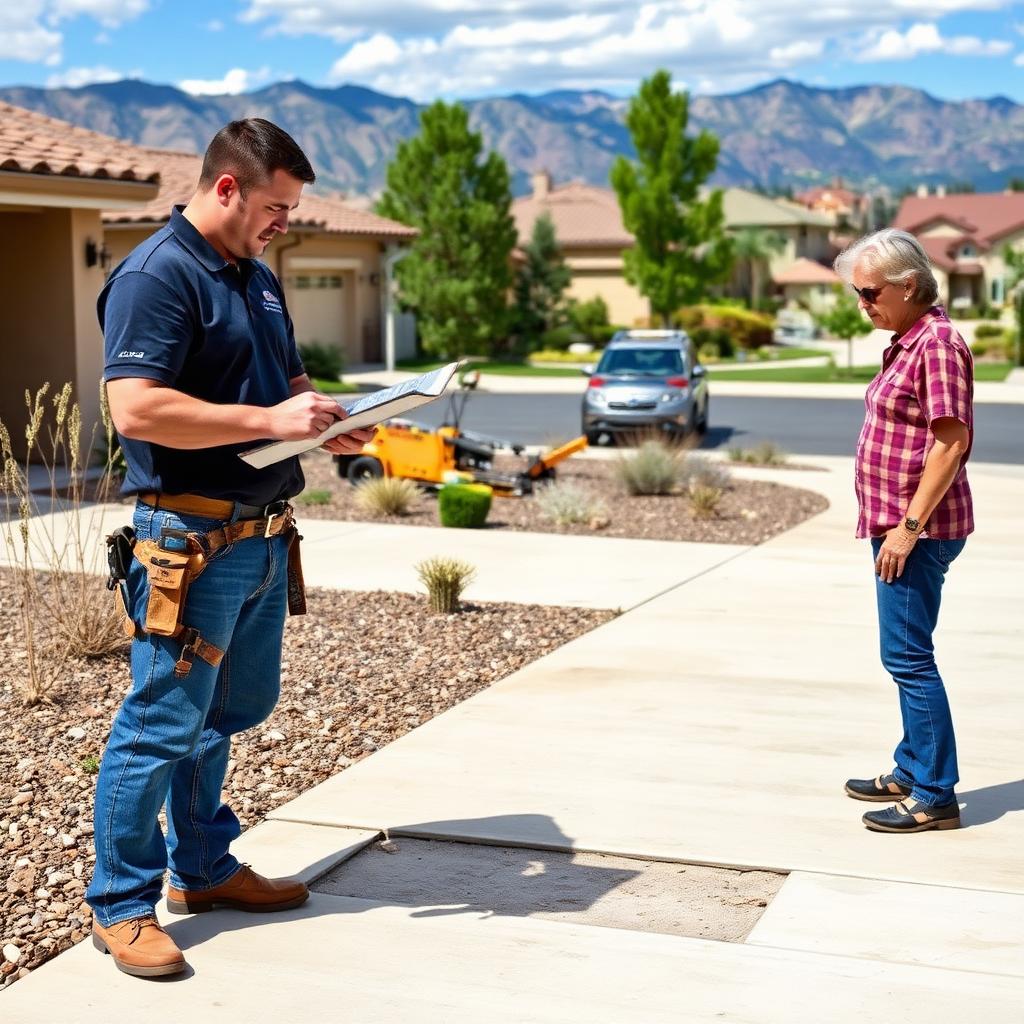
A quality Colorado Springs concrete leveling estimate isn't just a price — it's a diagnosis. Here's exactly what a technician looks at, why drainage matters as much as the slab, and what you should walk away knowing.
If you've never had concrete evaluated before, it's fair to wonder what actually happens when a technician shows up at the house. A lot of homeowners assume it's a five-minute measure-and-quote — and with some contractors, that's exactly what it is.
A good Colorado Springs concrete leveling estimate is closer to a small diagnosis. The goal is to figure out **why** the slab settled — because on the Front Range, the answer to that question is usually more important than the price to lift it.
Here's what a thorough on-site evaluation looks like at Colorado Springs Concrete Leveling. For the underlying causes, our guide to why concrete sinks in Colorado Springs is a good primer.
Step 1 — Walking the Whole Property
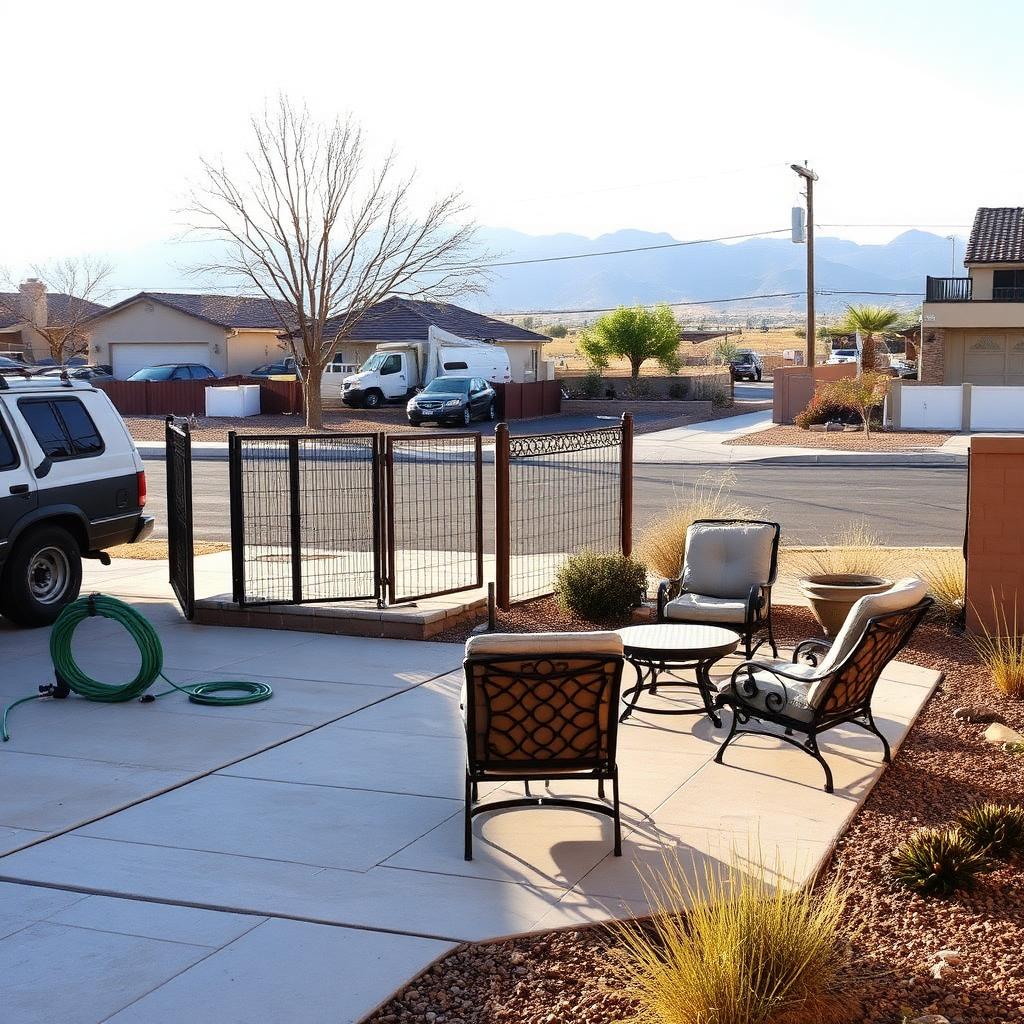
Most estimates begin with a walk of the entire property, not just the area you called about. That's because settlement rarely stays put — a sunken driveway is often paired with a low spot near a downspout, a patio that's pulled away from the house, or a sidewalk panel with a new offset.
Areas we typically look at:
- Driveway (especially near the garage apron and at street-side edges)
- Front walkway and porch steps
- Public sidewalk in front of the property
- Rear patio and pool deck
- Garage floor
- Any AC pad, hot tub pad, or shed slab
Seeing the whole picture at once often changes the recommendation. A driveway lift that looks like a straightforward fix in isolation might turn into a lift plus a downspout extension once the technician notices where the water is going.
Step 2 — Diagnosing the Settlement
This is the part homeowners rarely see other contractors do. On each affected slab, the technician is looking for:
- How much the slab has dropped (measured, not eyeballed)
- Where the low point is relative to the house and the drainage path
- Whether the slab has cracked, and whether the cracks have a vertical offset
- Whether adjacent slabs have moved with it or stayed put
- Whether the slab is still structurally sound enough to be lifted
In Colorado Springs, the diagnosis often points to expansive clay soil in Briargate, Rockrimmon, parts of the Broadmoor, Falcon, Monument, or Black Forest — Pierre shale country where soils heave with moisture. In other neighborhoods, the cause is more often a construction fill that's still compacting or a specific downspout dumping water in the wrong place.
Step 3 — Evaluating Drainage
Water is the single biggest driver of concrete settlement along the Front Range. A quality estimate spends real time on:
- Where downspouts discharge (and how far from the slab)
- How the yard grades toward or away from the house
- Sprinkler heads spraying against foundations or under slabs
- Areas where water clearly pooled after the last monsoon storm
- Snowmelt drainage patterns from the roof and driveway
Fixing the slab without fixing the drainage often means lifting the same slab again in a few years. Our article on how poor drainage causes concrete settlement in Colorado Springs explains why this step matters as much as the lift itself.
Step 4 — Talking Through Repair Options
Depending on what the technician finds, the conversation usually covers some combination of:
- Polyurethane foam leveling — the fastest, cleanest option when the slab is still sound
- Traditional mudjacking — occasionally the right call, though we rarely recommend it in Colorado Springs
- Full replacement — when the slab is too deteriorated to lift safely
- Drainage improvements — downspout extensions, regrading, sometimes a French drain
- Do nothing for now — genuinely the right answer on stable slabs
A trustworthy estimate is honest about when leveling *isn't* the right answer. Our comparison of concrete leveling vs. replacement walks through where that line usually falls.
Step 5 — Answering Your Questions
By the end of the visit, you should be able to answer:
- Why did this slab settle in the first place?
- Is the concrete still structurally sound?
- What are my options, and what does each cost?
- What should I do about drainage?
- What should I watch for over the next year?
If you can't answer those after the walkthrough, the estimate wasn't complete — call somebody else. If you're weighing timing, our guide on should you repair uneven concrete now or wait? can help frame the decision.
Step 6 — The Written Estimate
A clear estimate should show:
- Which slabs are being lifted
- The approximate lift in inches per area
- Whether drainage work is included or recommended separately
- The total price (not a per-pound guess that changes on the day of the job)
- The warranty on the lifted slabs
- How long the appointment will take
You should be able to compare apples to apples between contractors from the paperwork alone.
How to Prepare for Your Estimate
A few simple things make the visit go faster and more accurately:
- Move vehicles off the driveway so the technician can see the full slab
- Unlock side gates for access to the backyard patio
- Note where water tends to pool after storms
- Take a few 'before' photos of the areas that concern you
- Write down any questions you want to make sure get answered
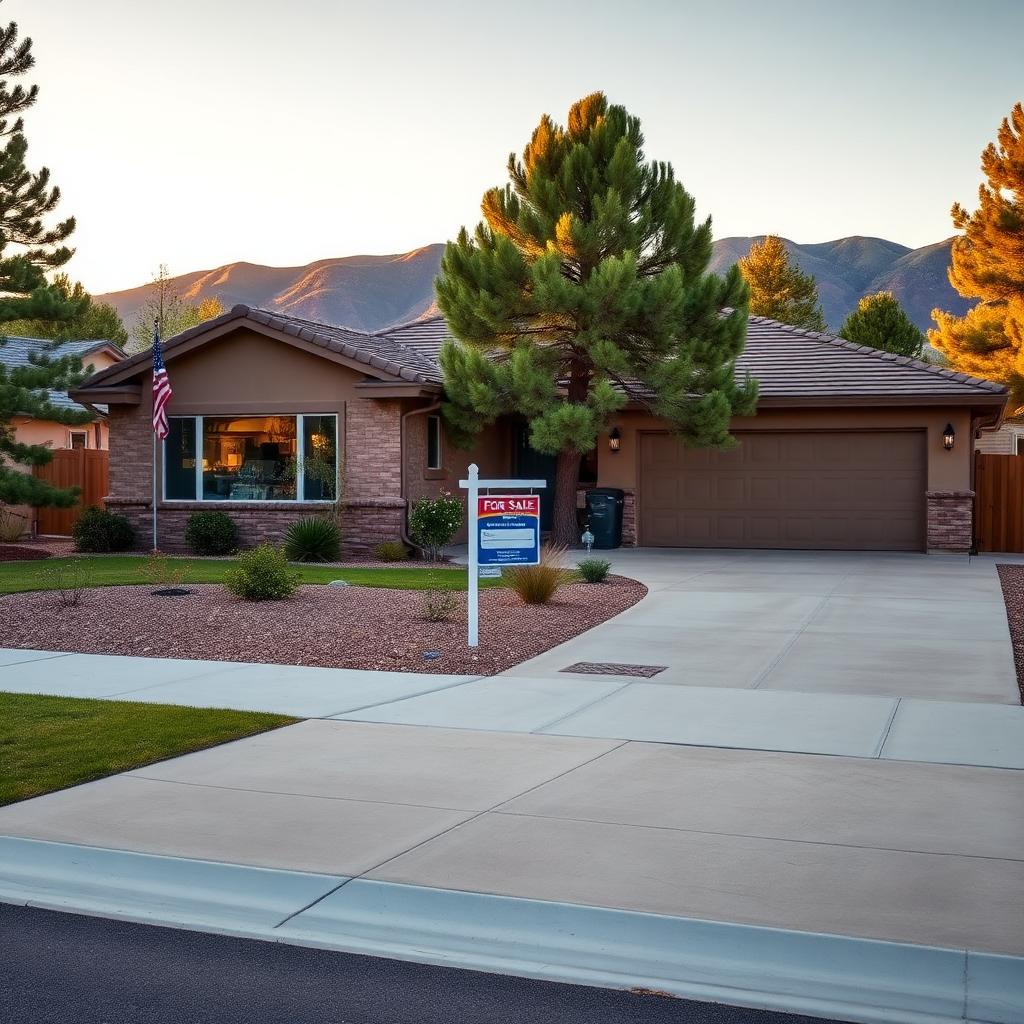
If you're planning to sell soon, mention it up front — the recommendation may be different for a slab you're keeping vs. one a buyer will be inspecting. See can uneven concrete affect your home's value? for what buyers here tend to notice.
Frequently Asked Questions
How long does a concrete leveling estimate take?
Most residential estimates in Colorado Springs take 30–60 minutes, depending on how many areas need to be evaluated and how much drainage discussion is involved. Larger properties, commercial buildings, or HOA common-area walk-throughs take longer.
Do I need to be home during the estimate?
It's not strictly required, but we strongly recommend it. Being there to point out where the water pools, ask questions, and hear the diagnosis in person makes the visit far more useful than a quote left in your inbox.
Is the estimate really free?
Yes. Colorado Springs Concrete Leveling doesn't charge for on-site estimates on residential or standard commercial slabs, and there's no obligation to move forward.
Will every contractor recommend the same repair?
No — and that's actually useful. Getting two estimates can help you calibrate. What matters is whether each contractor can *explain* why they're recommending what they're recommending. A price without a diagnosis is a red flag.
Final Thoughts
A concrete leveling estimate should leave you with more than a number. It should leave you with a clear picture of what's happening to your slab, what's causing it, and what your options look like — with or without lifting.
Ready to schedule a walkthrough? Contact Colorado Springs Concrete Leveling for a free on-site estimate. Call 719-521-2291 or request one online.
Related reading: should you repair uneven concrete now or wait?, 10 questions to ask before hiring a concrete leveling contractor, and concrete leveling cost Colorado Springs.