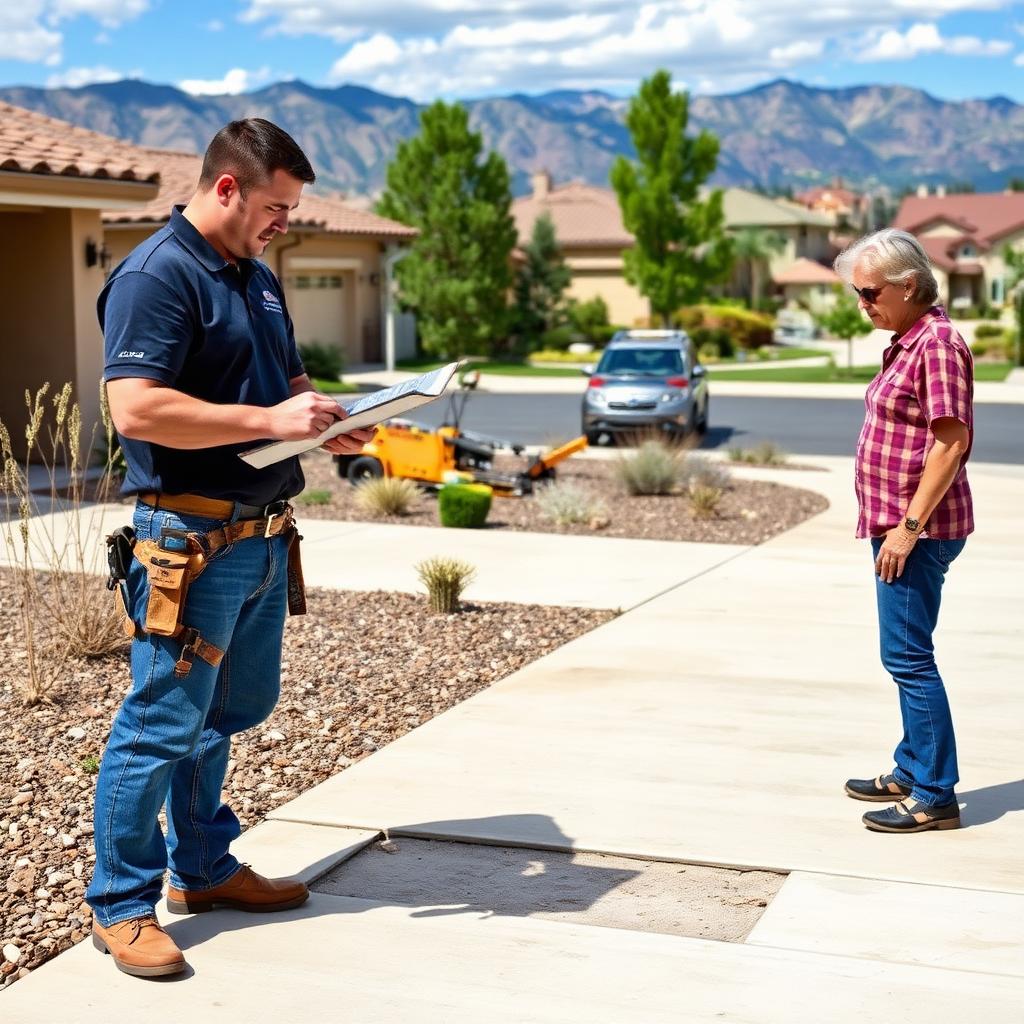
Not every uneven slab in Colorado Springs is an emergency — but the wrong 'wait' can turn a $600 lift into a full replacement. Learn how to tell whether your concrete is stable or actively moving with the seasons.
One of the most common questions we hear from Colorado Springs homeowners is a version of this:
**"The driveway isn't level anymore — but it isn't dangerous yet either. Do I need to fix it now, or can it wait until next year?"**
The honest answer is: it depends on whether the slab is actually moving. Some concrete sits at 1/2 inch out of level for a decade without changing. Other slabs quietly drop another inch every winter because expansive clay soils and 100+ freeze-thaw cycles keep working on the ground beneath them.
Knowing which situation you're in is what tells you whether to schedule a repair or keep an eye on it. For the underlying causes, our guide to why concrete sinks in Colorado Springs explains the local mechanisms in detail.
Not Every Uneven Slab Is an Emergency
Concrete is a rigid material sitting on ground that never stops moving, especially along the Front Range. A slight settlement, a hairline crack, or a small step between panels doesn't automatically mean you need to lift the slab this month.
Many driveways and sidewalks find a stable position after their first few winters and then hold that position for years. The question is whether yours has stabilized — or whether it's still on the way down.
Signs It's Reasonable to Monitor for Now
It's usually fine to continue observing the area if all of these are true:
- The elevation change hasn't grown since last season
- Existing cracks aren't widening or developing a vertical offset
- Water still drains off the slab within a few minutes of a monsoon storm
- Nobody trips or catches a shoe on the edge
- The condition has stayed the same through at least one full Colorado Springs winter
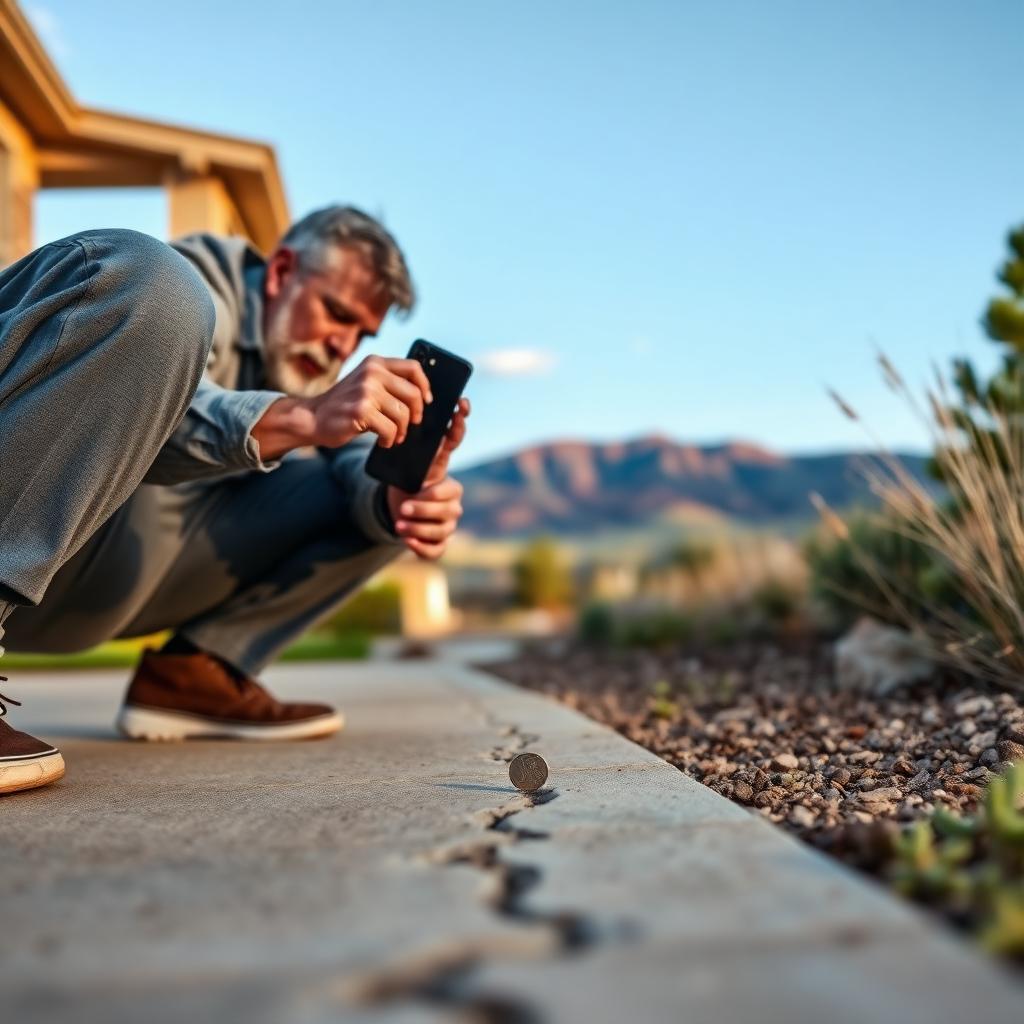
Photographs taken every spring and fall — from the same spot, with a coin or ruler for scale — make it much easier to tell whether anything is actually changing. Most 'is it worse?' calls we get can be answered in five seconds by comparing two photos.
Signs You Shouldn't Keep Waiting
It's worth having the slab evaluated when you start seeing any of these:
- Water pooling in a new spot after a monsoon storm or spring snowmelt
- A sidewalk panel or driveway section that's noticeably lower than it was last summer
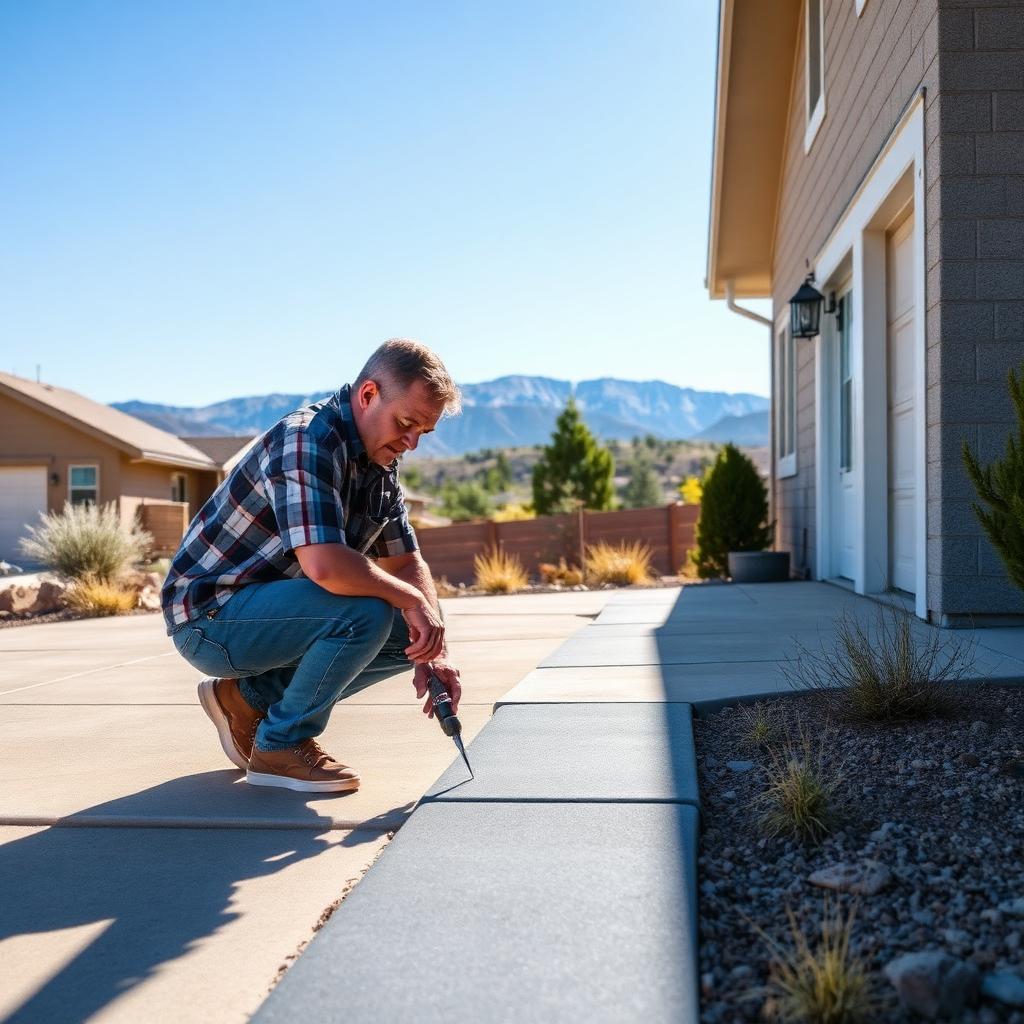
- A trip hazard developing along an expansion joint or crack
- A crack widening or gaining a vertical offset from one side to the other
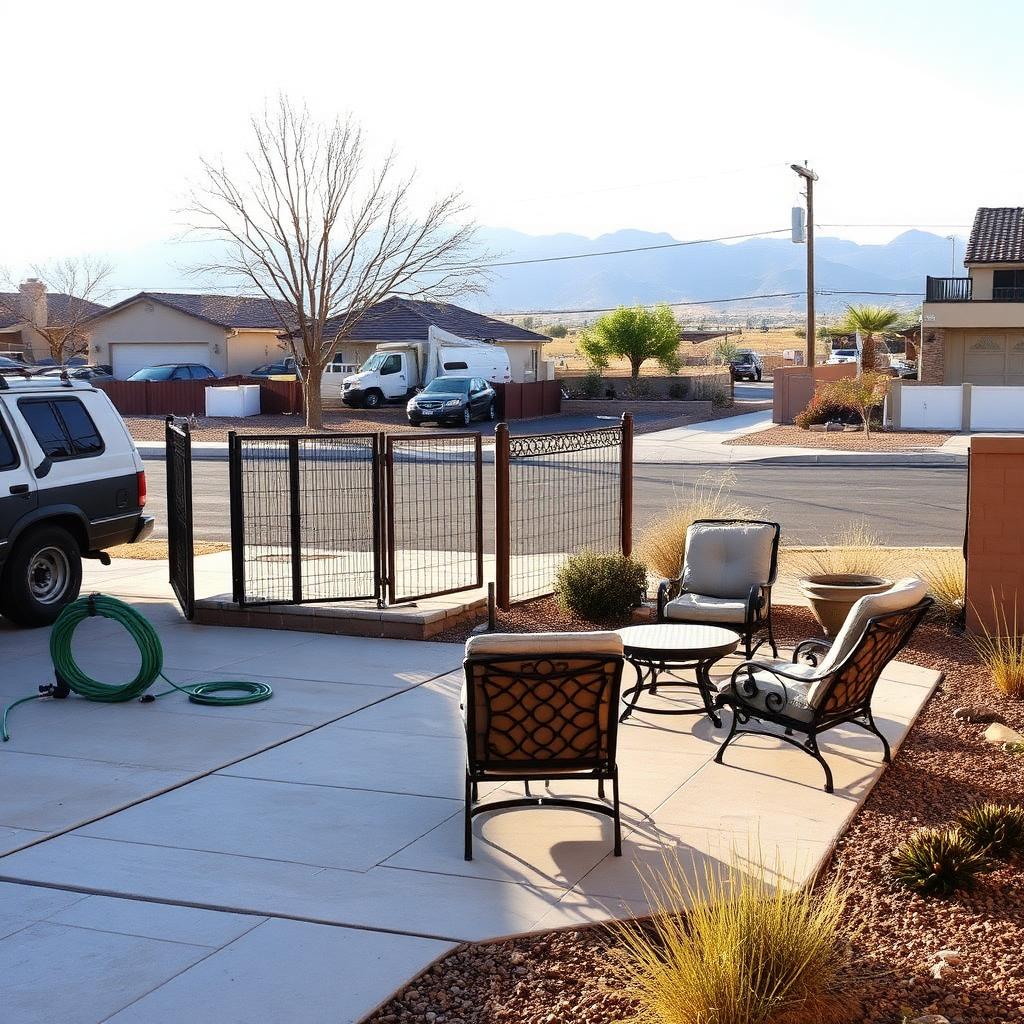
- Gates, side doors, or garage panels that no longer align with nearby concrete
- Settlement continuing between last fall and this spring
If water is starting to collect where it never did before, our article on why water is pooling on your driveway explains what that shift usually means. For growing cracks, read when should you be concerned about cracks in concrete.
None of these mean the slab is a lost cause. They mean the ground beneath it is still working, and the cost curve gets steeper the longer you wait.
Why Colorado Springs Weather Changes the Math
Along the Front Range, outdoor concrete lives through:
- 100+ freeze-thaw cycles per year (roughly triple what most of the country sees)
- Heavy, wet spring snowmelt from the foothills
- Expansive clay soils on Pierre shale that swell in wet years and shrink in dry ones
- Chinook winds that thaw a slab surface in hours and refreeze it overnight
- Long dry stretches interrupted by intense monsoon downpours
That's why 'wait and see' in Colorado Springs is a different bet than 'wait and see' in a milder climate. Neighborhoods with heavy clay content — Briargate, Rockrimmon, parts of the Broadmoor, Falcon, Monument, and much of Black Forest — tend to see more active seasonal movement than newer fills. Our spring concrete inspection checklist walks through what to look at after each winter.
Safety Rarely Deserves a Wait
Even a small elevation change can create a legitimate trip hazard, especially on:
- Front walkways and porch entries
- Steps down from a garage or side door
- Public sidewalks in front of the property
- Areas used by children, older family members, or delivery drivers
The ADA considers a 1/4-inch vertical change a hazard on a public walkway. Homeowners aren't held to that exact standard, but the risk is the same — and a foam-lifted panel typically costs a small fraction of a liability claim. See our driveway leveling and sidewalk leveling service pages for what those repairs look like.
Cost: Fix Now vs. Fix Later
Polyurethane foam lifting works because the existing concrete is still structurally sound. Once a slab keeps settling, three things happen that push the cost up:
- The void underneath grows, so more foam is needed to fill it
- New cracks form as the slab tries to bridge the void, sometimes past the point where lifting alone is enough
- Water follows the low spot into the soil around the foundation, which can turn a driveway issue into a drainage issue
A slab that could have been lifted for a few hundred dollars this year can become a full replacement in three or four. Our concrete leveling cost guide shows the local pricing ranges.
Five Questions to Ask Yourself Right Now
- Has the slab visibly changed since last fall?
- Is water draining differently than it used to?
- Is anything catching a shoe, a stroller, or a snow shovel?
- Have any cracks widened or developed an offset?
- Do we have a full winter of photos to compare against?
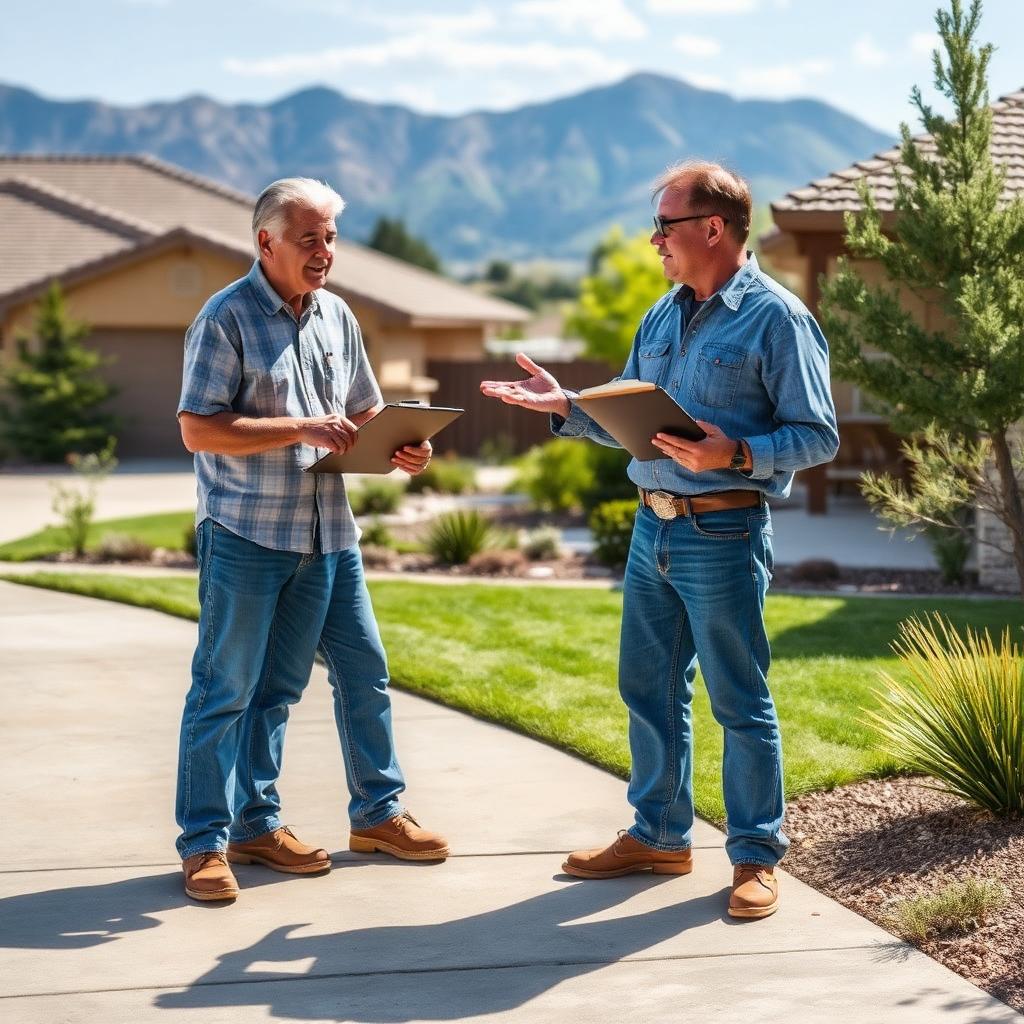
If you're answering 'yes' to two or more, it's usually time to at least get a free evaluation on the books — even if the answer ends up being 'monitor another season.'
Frequently Asked Questions
Is it okay to monitor uneven concrete for a while?
Yes. Many Colorado Springs homeowners photograph the area every spring and fall and watch for changes. Stable slabs can sit for years without intervention. What matters is knowing whether the condition is holding steady.
Can concrete settlement stop on its own?
Sometimes. If the underlying cause was one-time — a construction fill that finally compacted, a leak that's been repaired — settlement can plateau. If the cause is ongoing (expansive clay, poor drainage, chronic downspout runoff), it typically doesn't stop until the cause is addressed.
Does Colorado Springs weather really change things that fast?
It can. Freeze-thaw cycles and expansive clay both work most aggressively in early spring, when the ground is thawing and taking on snowmelt. That's why the same slab can look stable in October and noticeably worse by April.
When is the best time of year to schedule an evaluation?
Spring and fall are both excellent. Spring catches the changes from the previous winter; fall gives you a baseline before the next one. Foam lifting itself can be done year-round in most conditions.
Final Thoughts
Not every uneven slab needs to be fixed today. But 'wait and see' works only if you're actually watching — and along the Front Range, watching for one full season is usually enough to tell whether the concrete has stabilized or is still on the move.
If you've noticed changes since last winter, or you'd rather have a professional confirm the slab is stable, contact Colorado Springs Concrete Leveling for a free evaluation. Call 719-521-2291 or request your estimate online.
Related reading: can uneven concrete affect your home's value?, what happens during a concrete leveling estimate, and concrete leveling vs. replacement.