A quick homeowner walkthrough of driveways, sidewalks, patios, and garage floors can reveal early signs of concrete settlement long before repairs become urgent. Here's what to look for on Colorado Springs properties.
Concrete settlement usually doesn't happen overnight.
Most homeowners first notice small warning signs that gradually become more noticeable over months or years. Identifying these early indicators can help you address problems before they become larger safety concerns or require more extensive repairs.
Fortunately, inspecting your property only takes a few minutes and can often be done during your regular home maintenance routine.
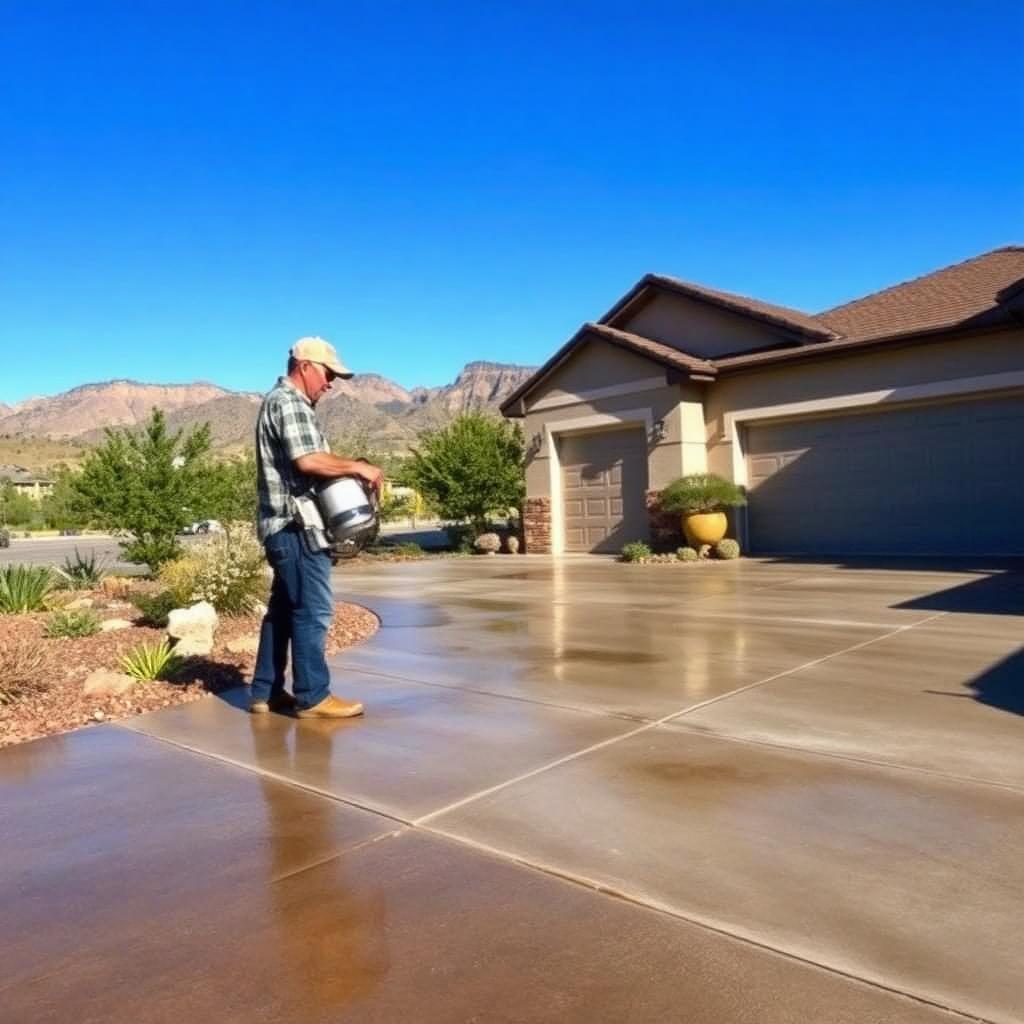
Start With Your Driveway
Walk slowly up and down your driveway while looking for:
- Low spots that collect water
- Sections that appear lower than surrounding slabs
- Cracks that continue to widen
- Uneven expansion joints
- Areas where one slab sits higher than another
Small changes often become easier to notice after heavy rain or snowmelt. If you spot consistent movement, driveway leveling can restore the surface before settlement progresses.
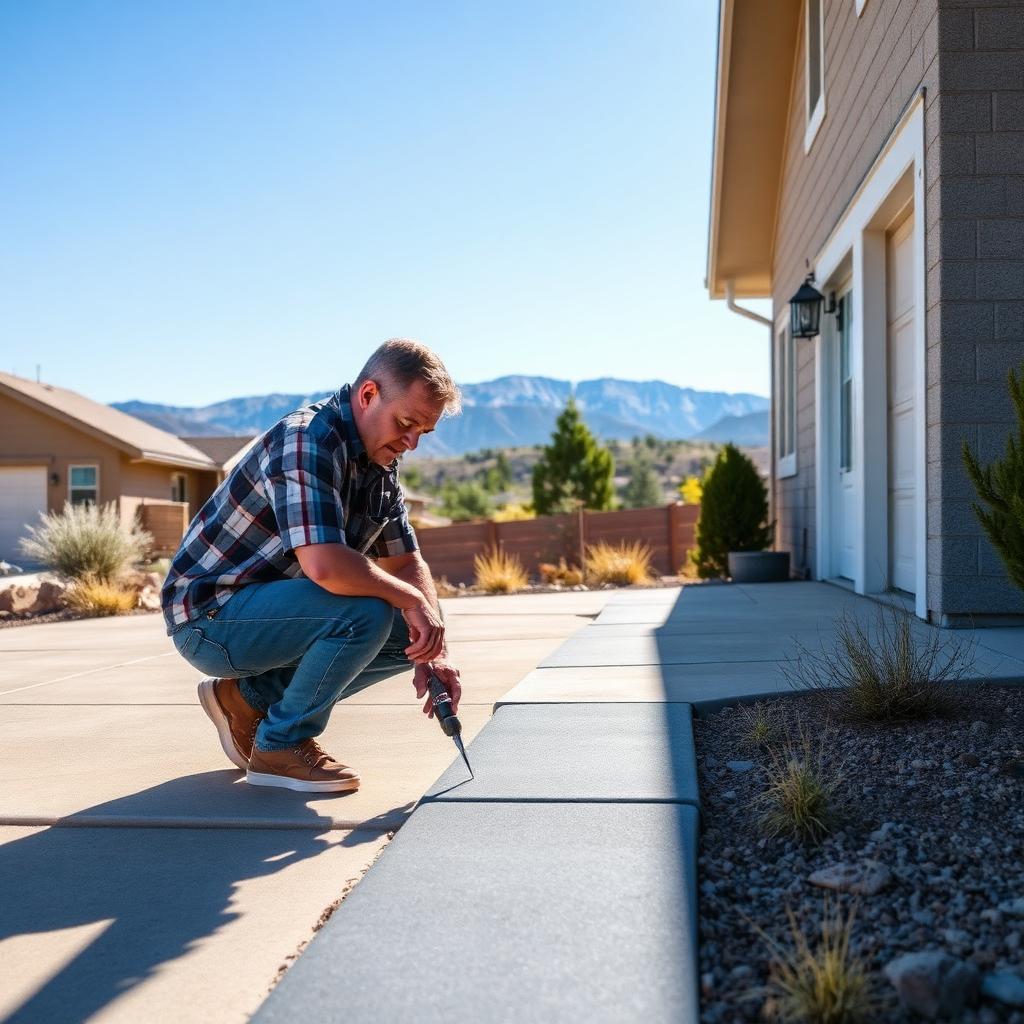
Check Your Sidewalks
Sidewalks are among the first places settlement becomes noticeable.
Look for:
- Raised edges
- Trip hazards
- Uneven joints
- Cracking
- Areas where water pools
Pay particular attention to sidewalks near trees, downspouts, and sloped landscaping. Noticeable offsets often benefit from sidewalk leveling.
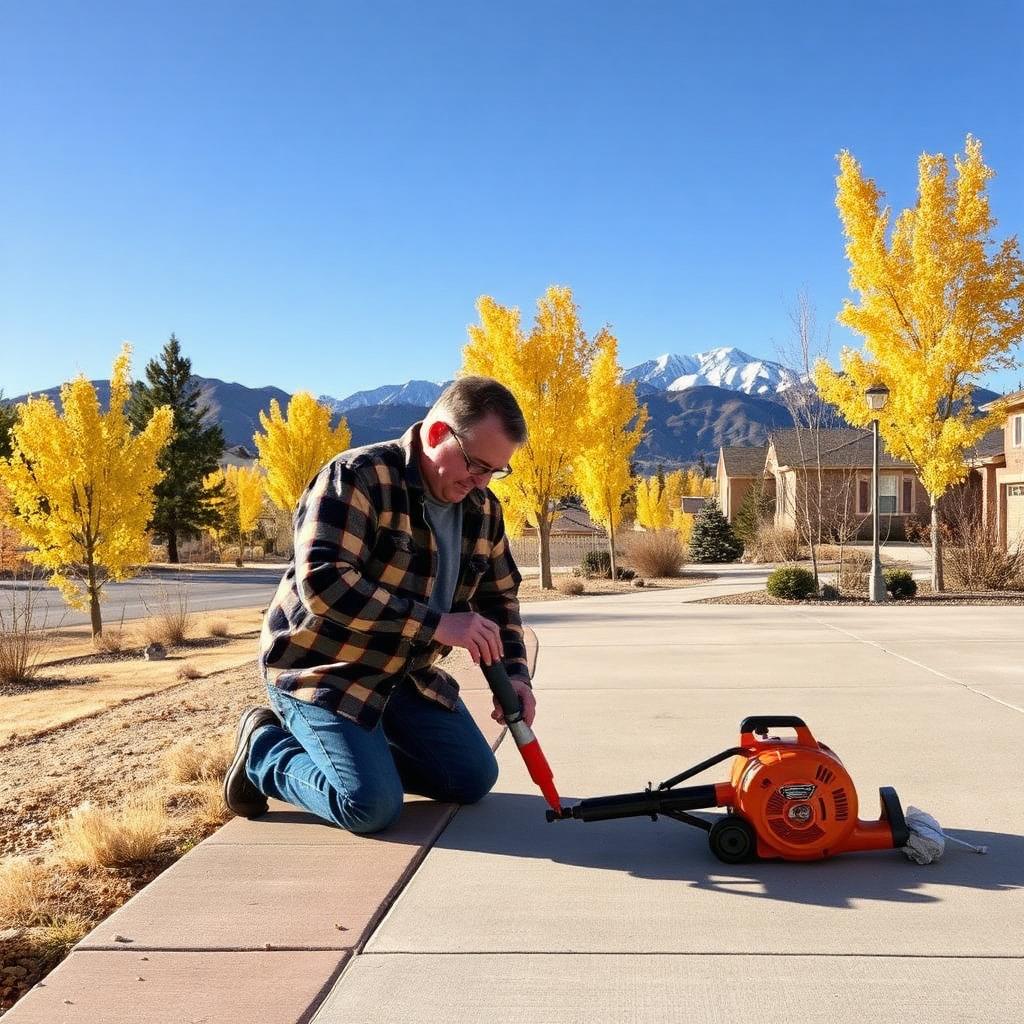
Inspect Your Patio
Patios often settle gradually because of changing soil moisture.
Watch for:
- Furniture that no longer sits level
- Standing water
- Gaps forming near the house
- Cracks widening over time
- Slabs separating from adjoining sections
If your outdoor living space is beginning to shift, patio leveling can help restore a usable surface.
Don't Forget the Garage
Garage floors can also settle.
Look for:
- Cracks near the garage door
- Water entering during storms
- Uneven floor surfaces
- Gaps beneath weather seals
When floor movement becomes obvious, garage floor leveling is often a practical alternative to replacement.
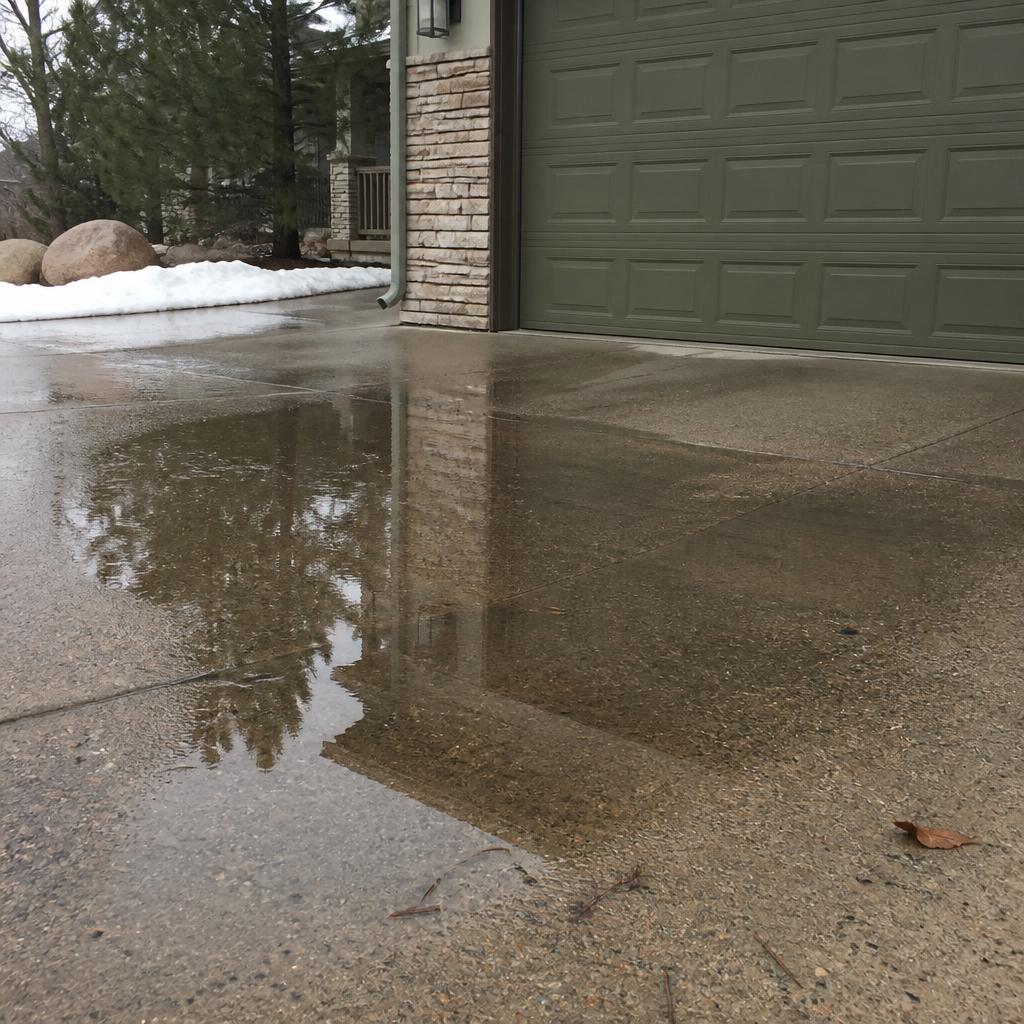
Walk Your Property After Heavy Rain
One of the best inspection times is immediately after rainfall.
Observe:
- Where water collects
- Areas of erosion
- Downspout discharge
- Soil washing away
- New puddles around concrete
Poor drainage often contributes to future settlement. Read more in how poor drainage causes concrete settlement in Colorado Springs.
Why Colorado Springs Homes Should Be Inspected Regularly
Colorado Springs experiences:
- Freeze-thaw cycles
- Expansive clay soils
- Summer thunderstorms
- Snowmelt
- Seasonal moisture changes
These conditions can gradually affect the soil supporting concrete. Learn more in why concrete sinks in Colorado Springs.
Regular inspections help homeowners recognize changes before they become major repairs, and concrete leveling is often most effective when settlement is caught early.
Frequently Asked Questions
How often should I inspect my concrete?
Twice a year is a good practice, especially after winter and again following summer storms.
Is every crack a sign of settlement?
No. Some cracks are cosmetic, but uneven slabs or widening cracks should be monitored.
What should I do if I notice a problem?
Document the area with photographs and continue monitoring. If settlement progresses or creates a safety concern, consider having it professionally evaluated.
Does early detection matter?
Yes. Smaller settlement issues are often easier to address before additional movement occurs.
Final Thoughts
Routine inspections are one of the easiest ways to protect your property.
By paying attention to small changes around your driveway, sidewalks, patios, and garage floor, Colorado Springs homeowners can often identify settlement early and make informed decisions before problems become more extensive.
Schedule Your Free Estimate
If your inspection reveals settlement, a professional evaluation can help you understand your options.
Call 719-521-2291 or request your free estimate online to discuss your project.