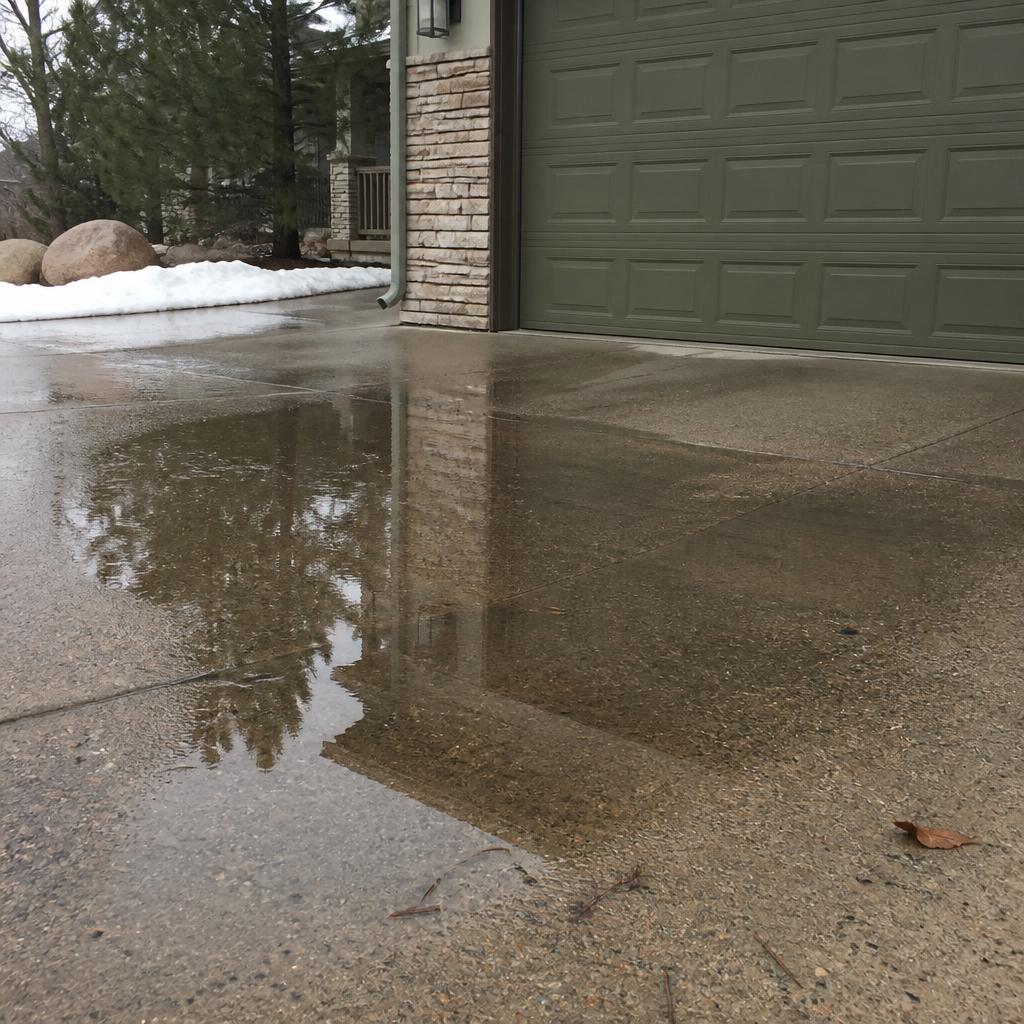
In Colorado Springs, sunken flatwork and true foundation movement can look similar from the driveway — but they mean very different things. Here's how to tell them apart before you assume the worst.
One of the most common calls we get in Colorado Springs starts the same way: 'My driveway is sinking — I think my foundation is failing.' Sometimes that fear turns out to be warranted. Much more often, the homeowner is looking at a settled exterior slab that has nothing to do with the structural foundation of the house.
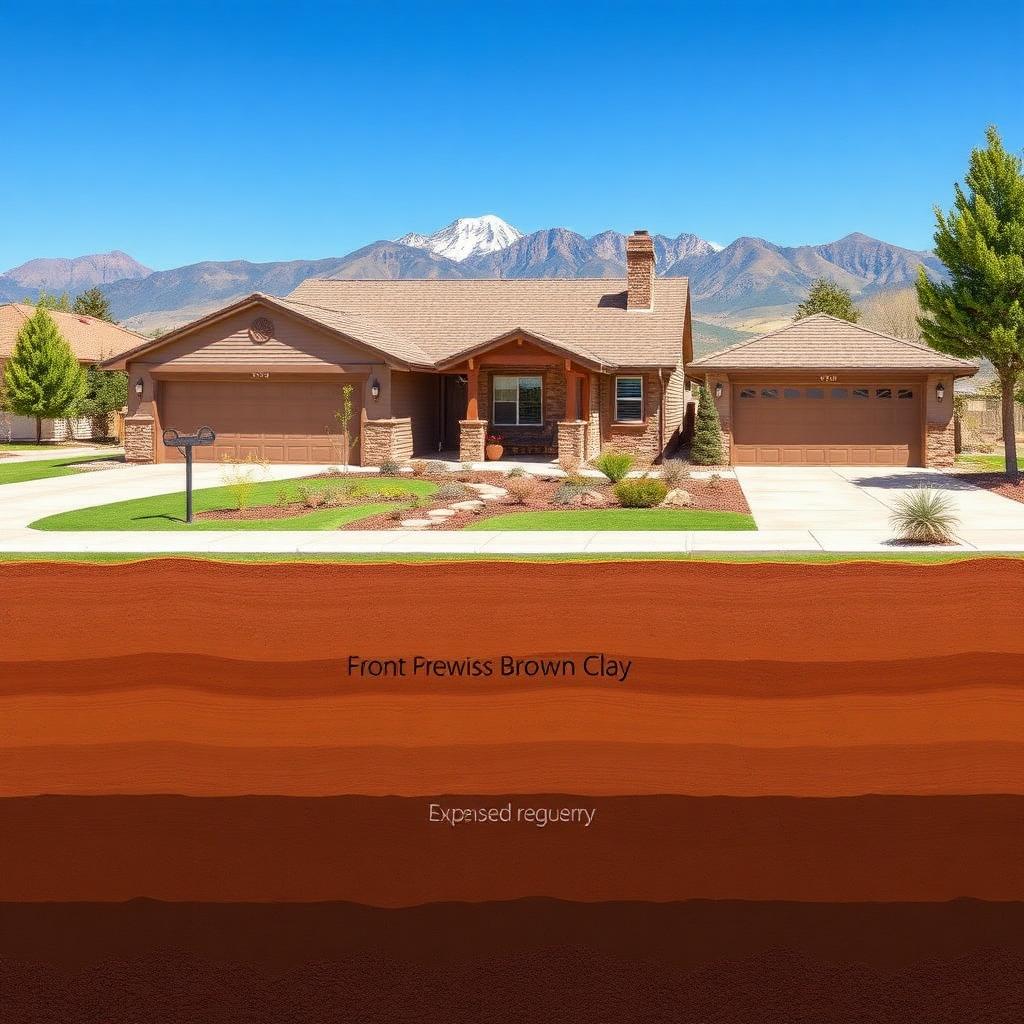
Because Colorado Springs sits on some of the most expansive clay soil in the country — Pierre shale runs under Briargate, Rockrimmon, the Broadmoor, parts of Falcon and Monument, and much of Black Forest — both problems are more common here than in most markets. Learning to tell them apart quickly saves a lot of money and worry.
The Short Version
- Exterior flatwork (driveways, sidewalks, patios, garage floors) is *not* structurally tied to the house's foundation.
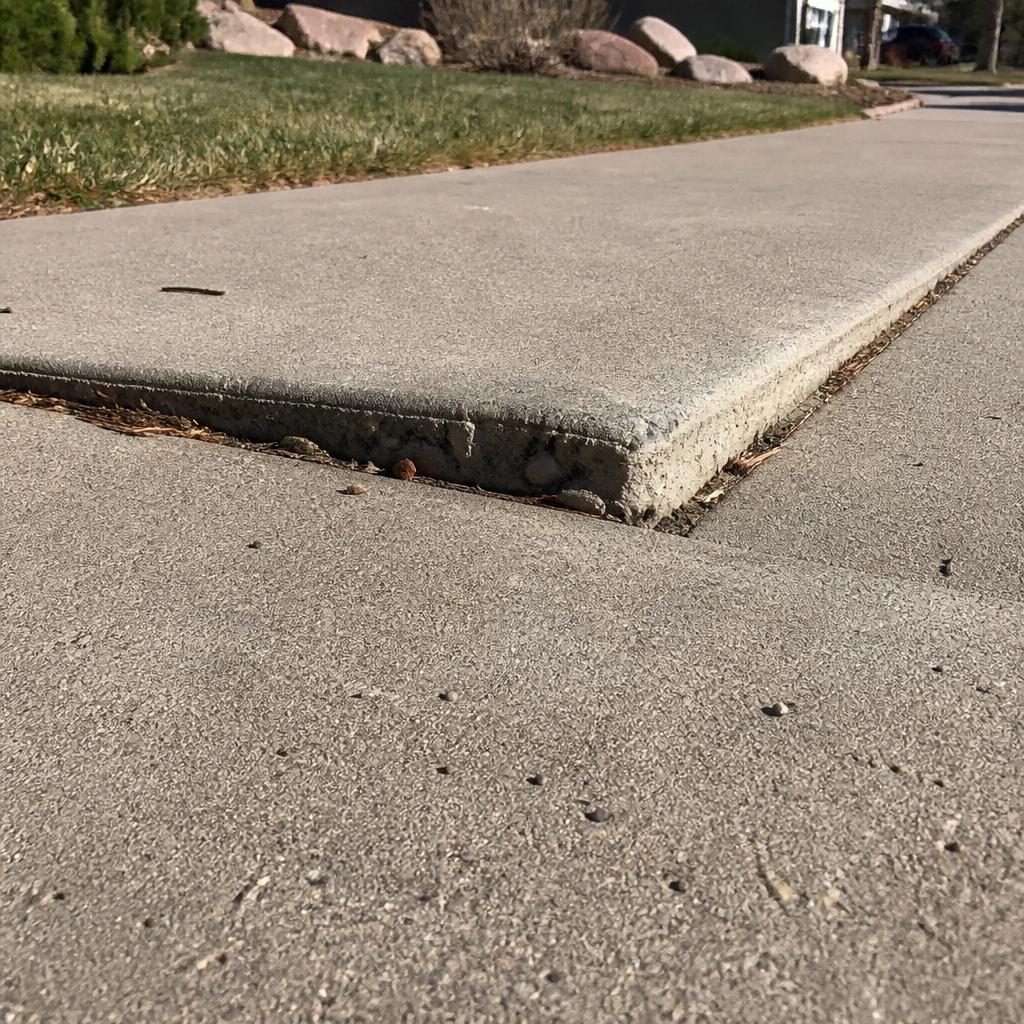
- A sinking slab usually means the soil under that slab settled, washed out, or was under-compacted.
- Foundation settlement affects the structure itself — footings, load-bearing walls, framing.
- The two can happen together, but one does not necessarily mean the other.
For a deeper look at why exterior slabs move here in the first place, our guide on why concrete sinks in Colorado Springs is a good starting point.
Signs You're Looking at Slab Settlement (Not Foundation)
Most 'sinking concrete' calls in Colorado Springs turn out to be slab-only movement. Common signs:
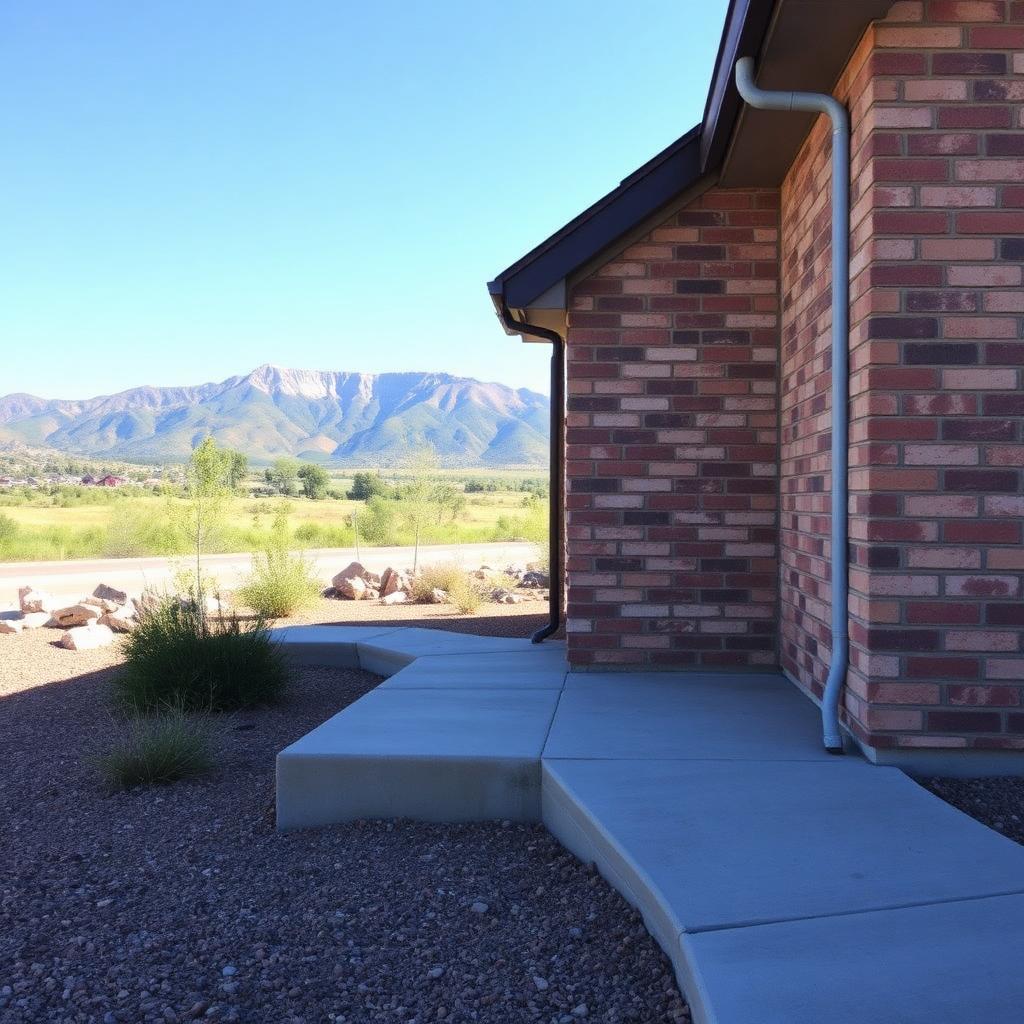
- Only the driveway, sidewalk, patio, or garage floor has dropped — the house itself looks straight
- Doors and windows inside the home still open and close normally
- Interior drywall has no new stair-step cracks around door frames
- The slab has pulled away from the house, leaving a visible gap at the joint
- Water pools on the slab after storms, then drains away without soaking the foundation
- The problem is concentrated near a downspout, sprinkler head, or grading low point
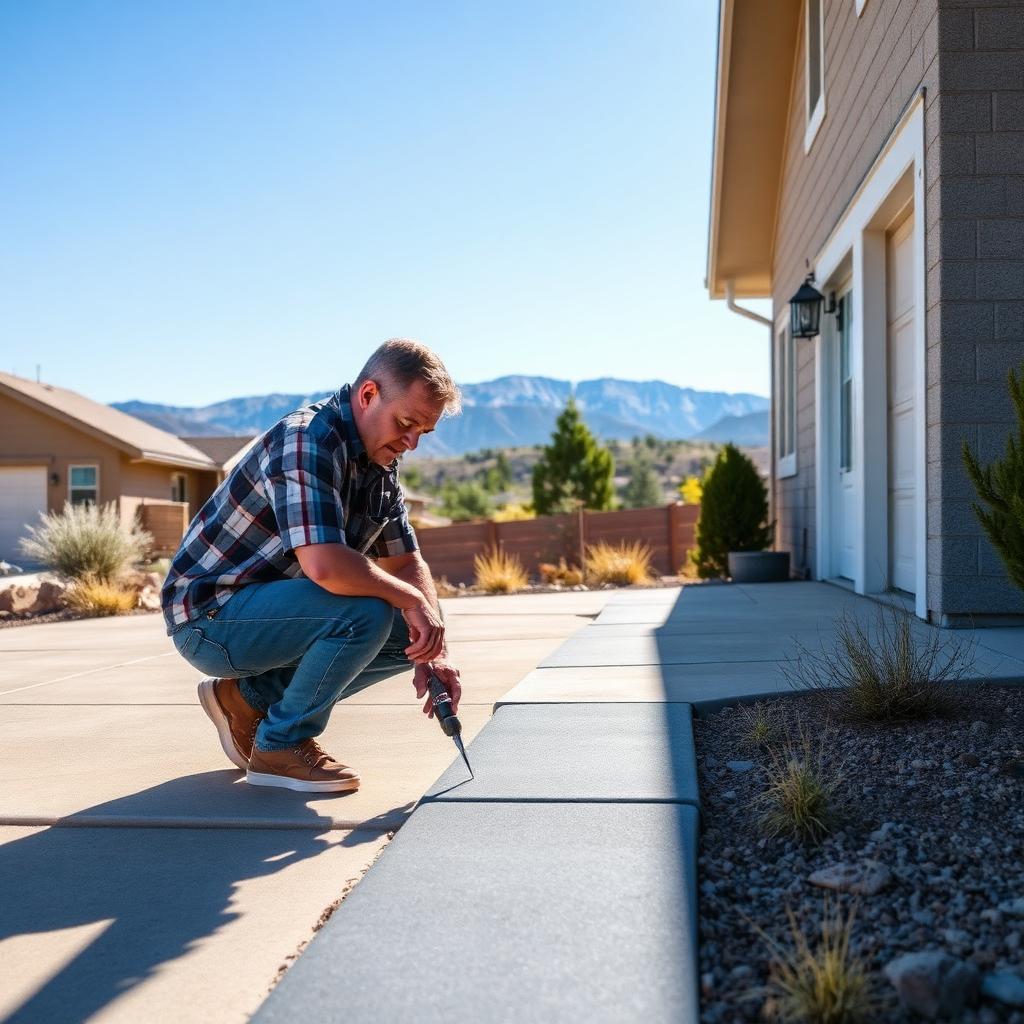
When those boxes check out, you're almost always looking at a candidate for concrete leveling — not a structural repair.
Signs That Point Toward Actual Foundation Movement
Structural foundation movement in Colorado Springs is real and worth taking seriously. The tell-tale signs live *inside* the house as much as outside:
- New stair-step cracks in exterior brick or block, especially near corners
- Diagonal drywall cracks running from door and window corners
- Doors and windows that suddenly stick, drag, or won't latch
- Gaps opening between crown molding and ceiling or between baseboard and floor
- A basement or crawlspace wall that has bowed, cracked horizontally, or shifted
- Sloping floors you can feel walking barefoot
If several of those show up together — and especially if they've appeared over a short period — that's a call to a licensed structural engineer or a foundation repair specialist, not a concrete leveler.
Why Colorado Springs Makes This Confusing
The same conditions that cause exterior slabs to settle here can also stress a foundation. Expansive Pierre shale clay swells when it gets wet and shrinks when it dries — sometimes moving several inches vertically across a single season. That movement is happening under the driveway *and* under the footings.
Add in 100+ freeze-thaw cycles a year, heavy spring snowmelt from the Front Range foothills, and monsoon downpours that overwhelm downspouts, and it's easy to see why a homeowner might mistake one problem for the other. See our companion article on how Colorado Springs expansive clay soil affects more than just concrete for the geology behind it.
A Quick Homeowner Test
Before you call anyone, walk the house with these questions:
- Is the problem confined to a slab that isn't touching the structural foundation?
- Are interior doors, windows, and drywall unchanged?
- Is there a visible drainage cause (downspout, low grade, sprinkler) near the settlement?
- Has the settlement been slow and gradual, not sudden?
Four yeses point strongly to slab-only settlement. Any sudden interior changes — new cracks, stuck doors, sloping floors — push the answer toward a foundation evaluation first.
Who to Call First
- **Concrete leveling contractor** — for settled driveways, sidewalks, patios, pool decks, garage floors, AC pads, and porch slabs where the house itself looks fine.
- **Structural engineer** — for a neutral, unbiased opinion when interior symptoms suggest the foundation may be involved.
- **Foundation repair company** — for confirmed structural movement, bowed basement walls, or piering work.
A good concrete leveling estimate will tell you honestly if what you're describing sounds structural. If we see stair-step brick cracks or interior symptoms during a visit, we recommend an engineer before we lift anything. Our walkthrough of what actually happens during a concrete leveling estimate covers that diagnostic step.
Fixing the Drainage Either Way
Whether the movement is in the slab or the foundation, water is almost always part of the story in Colorado Springs. Getting downspouts, grading, and sprinklers under control protects both — see how poor drainage causes concrete settlement in Colorado Springs for the drainage side of the picture.
Frequently Asked Questions
Can a sunken driveway damage my foundation?
Directly, no — the driveway isn't structurally tied to the foundation. Indirectly, yes: a slab that drains water toward the foundation instead of away from it can contribute to the moisture swings that stress footings in Colorado Springs' clay soils.
My patio pulled away from the house — is that a foundation issue?
Almost never. That gap is the patio slab settling on its own soil while the house stays put on its footings. It's a very common Colorado Springs slab-settlement pattern and a straightforward leveling candidate.
Should I get a structural engineer before I level my concrete?
Only if you're seeing interior symptoms — sticking doors, new drywall cracks, bowed basement walls. Purely exterior slab settlement doesn't need an engineer's sign-off.
How fast does foundation movement happen in Colorado Springs?
It usually shows up gradually, over seasons. Sudden changes — a door that latched fine last month and won't close now, a fresh diagonal crack over a window — are worth investigating quickly, especially after a wet spring or a hard freeze-thaw cycle.
Final Thoughts
Uneven concrete in Colorado Springs is stressful, but it usually isn't a foundation emergency. Learning to separate slab movement from structural movement means you spend money on the right repair — and skip the ones you don't need.
If you're not sure which one you're looking at, contact Colorado Springs Concrete Leveling for a free on-site walkthrough. Call 719-521-2291 or request an estimate online.
Related reading: why concrete sinks in Colorado Springs, how Colorado Springs expansive clay soil affects more than just concrete, and what actually happens during a concrete leveling estimate.