5 min read
Sidewalk Trip Hazards: What Every Property Owner Should Know
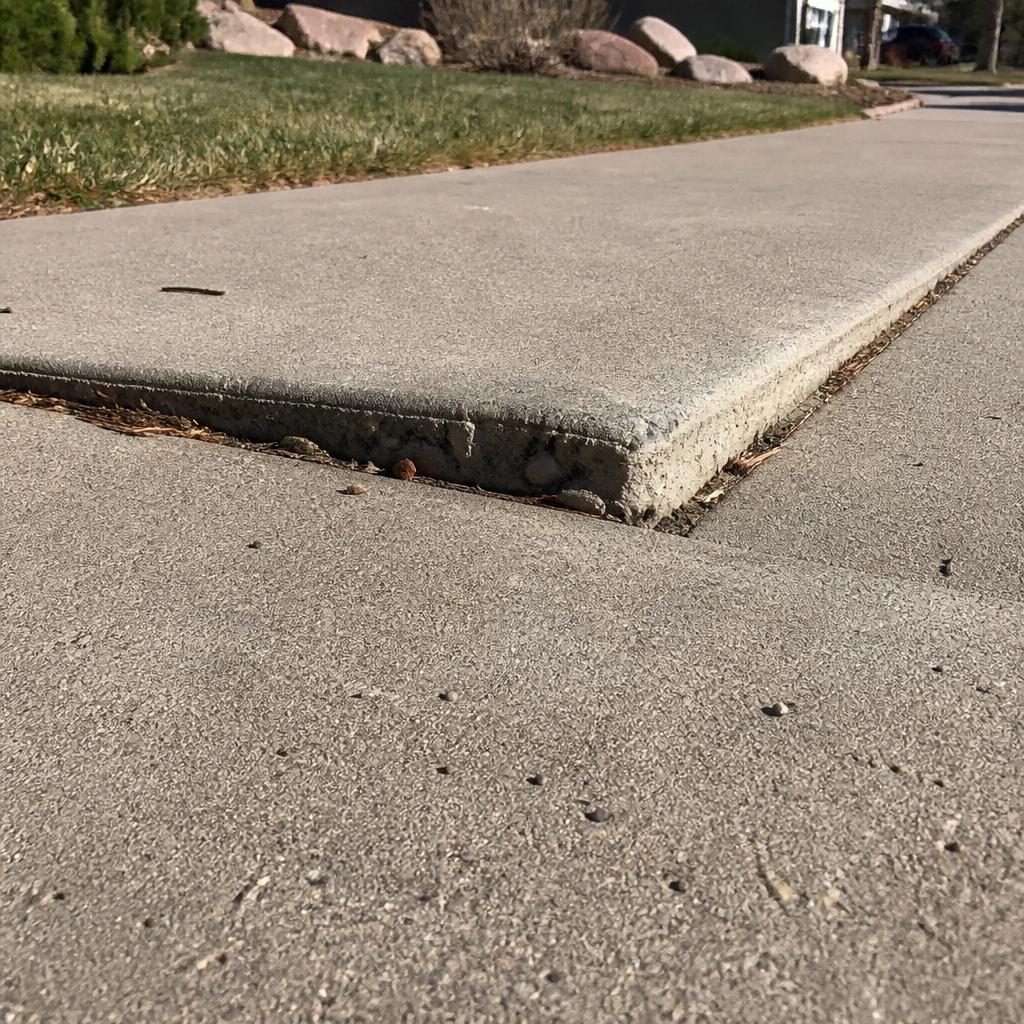
A ½-inch vertical difference is enough to be a legal trip hazard in most Colorado Springs-area jurisdictions. Here's how to identify, prioritize and fix them.
Free 44-Page Homeowner Guide
Understand common causes of sinking concrete, repair versus replacement, contractor questions, and Colorado Springs–specific concrete concerns.
Free 44-Page Homeowner Guide
Understand common causes of sinking concrete, repair versus replacement, contractor questions, and Colorado Springs–specific concrete concerns.
We're here to help
Not every concrete problem requires an on-site visit.
Many questions can be answered with a quick phone call, helping you understand your options before scheduling an evaluation. Sometimes a quick conversation is all it takes to point you in the right direction.
If an on-site visit is needed, we'll help arrange it.
No pressure. No obligation. Just honest answers and the right solution for your property.
Whether you need answers, have questions, or are ready for an estimate, we're here to help. Give us a call or send us a quick message — we'd be happy to assist.
Most residential trip hazards develop so gradually that homeowners stop noticing them. Here's a practical walk-around checklist for Colorado Springs properties — what counts as a hazard, where they hide, and how to fix them before someone falls.
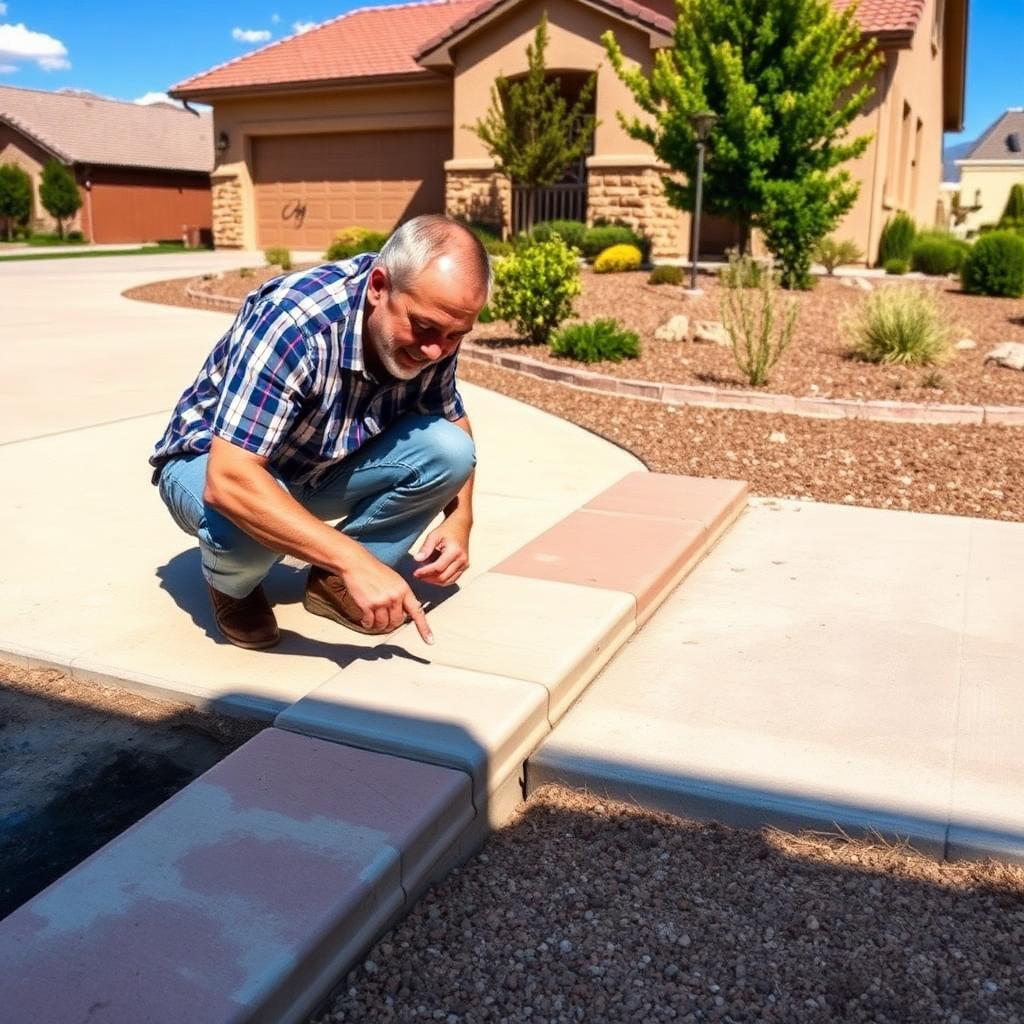
The trip hazards on your own property are the ones you're most likely to walk past every day without seeing. You learn the little lip between the driveway and the garage, the corner of the patio that's dropped, the seam in the front walk — and your feet start compensating automatically. Guests, delivery drivers, and grandkids don't have that muscle memory.
Along the Front Range, subtle settlement is constant thanks to expansive clay and 100+ freeze-thaw cycles a year. Spending 20 minutes walking your property with fresh eyes is the single best way to catch trip hazards early — while they're still cheap to fix and before somebody falls.
A useful working definition, borrowed from ADA guidance and used by most municipal sidewalk programs (Colorado Springs included):
Municipal thresholds for public sidewalks along the Front Range are similar, and homeowner insurance carriers use the same numbers when adjusting slip-and-fall claims. Our companion article on sidewalk trip hazard liability covers the legal side in depth.
The trick is to walk your property the way a guest would, not the way you walk it every day. A few tips:
The classic hazard — one panel settles or heaves relative to the next. Freeze-thaw and tree root pressure both cause this. Any lip you can feel with your foot is worth measuring.
The garage floor and the driveway apron settle at different rates. A 3/4-inch drop where you step out of the car is easy to walk past a hundred times, and easy to catch a heel on the hundred-and-first.
Poured landings often settle away from the house or twist toward one corner. The top step then becomes taller on one side than the other — a real hazard, especially at night.
Back patios pulling away from the house create a stepped drop at the door threshold. Guests coming out of a slider expect one continuous level and don't.
Roots lift panels from below. Any panel within 10 feet of a large tree is worth a second look. See can tree roots cause concrete to sink in Colorado Springs.
Coping stones and the first row of pool deck slabs are particularly prone to settlement and are exactly where people walk barefoot — a hazard combination worth checking every spring.
Water meter lids, sprinkler valve boxes, and sewer cleanouts often sit proud of the surrounding surface after years of freeze-thaw. If yours are more than 1/2 inch above or below grade, reset them.
Not every hazard needs to be fixed today. A simple triage after your walk-around:
Our companion piece on should you repair uneven concrete now or wait helps with that decision when the offset is borderline.
Between finding a hazard and getting it fixed:
For most Colorado Springs residential trip hazards created by concrete settlement, **polyurethane foam leveling** is the right answer. It lifts a settled panel back to grade in a few hours, without demolition, and cures fast enough that you can walk on it the same day. See polyurethane foam vs. mudjacking for how the process works.
Grinding a lip down is a temporary fix at best — it removes the offset but leaves the underlying settlement, so the panel keeps moving and the lip returns. Full replacement is overkill for a single settled panel.
There isn't one universal number, but 1/2 inch is the threshold most municipalities and insurers use in practice, following ADA guidance. Anything above that on a walkway is treated as an actionable hazard.
Generally yes, particularly if the hazard was known and unaddressed. Homeowner's insurance usually covers medical payments and liability for a covered guest fall, but repeated claims affect your premium — and any award depends on whether you took reasonable steps to fix or warn about the hazard.
In Colorado Springs, adjacent property owners are generally responsible for keeping public sidewalks safe and clear. Trip hazards on that walk are your responsibility to report and, in many cases, to fix. Our article on sidewalk trip hazard liability walks through this.
Once a season is plenty for most homeowners. Spring after snowmelt is the highest-yield walk — that's when a winter of freeze-thaw shows its work. See our spring concrete inspection checklist for Colorado Springs homeowners.
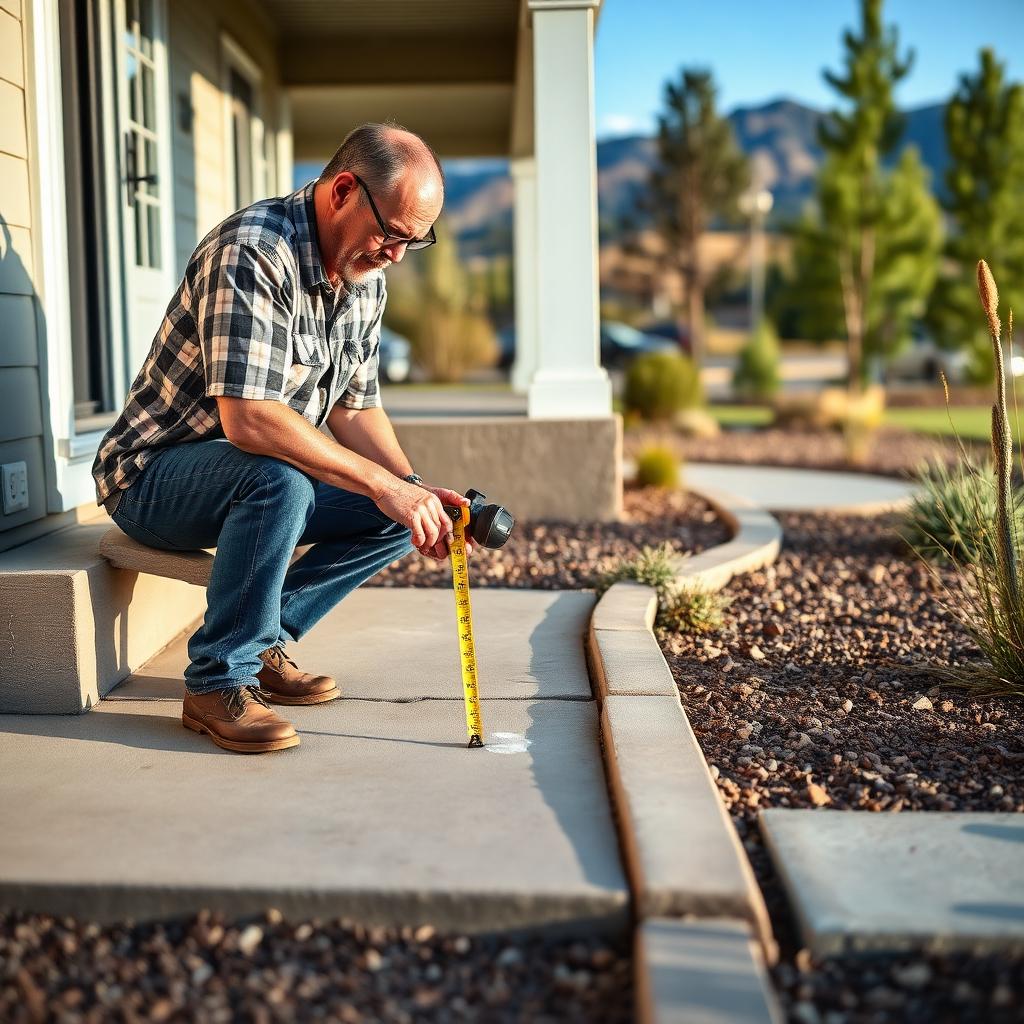
A 20-minute walk with a tape measure and a piece of chalk is the single most useful safety exercise a Colorado Springs homeowner can do each spring. Most trip hazards are cheap and quick to fix while they're still small. The expensive ones are the ones nobody noticed until somebody fell.
If your walk-around turned up settlement worth addressing, contact Colorado Springs Concrete Leveling for a free on-site walkthrough. Call 719-521-2291 or request an estimate online.
Related reading: sidewalk trip hazard liability, 5 signs it's time to have your concrete evaluated, and spring concrete inspection checklist for Colorado Springs homeowners.
Think Your Concrete May Qualify for Lifting?
Free on-site inspection · Fixed written quote · No obligation
Related services
Get a local estimate
Keep reading
A ½-inch vertical difference is enough to be a legal trip hazard in most Colorado Springs-area jurisdictions. Here's how to identify, prioritize and fix them.
Have questions about your concrete? Need advice? Want a free estimate? We're here to help. Concrete leveling saves the slab you already have, at a fraction of the cost of replacement.
Free Estimates · Colorado Springs-Focused Service · Clear Recommendations